iPhone SE vs a Mid-Range Pixel: The £400 Value Fight
Same budget, two completely different bets on what matters most
Contents
At roughly £400, two phones make a genuinely compelling and genuinely different case for your money: the iPhone SE, which puts a current-generation Apple chipset in a dated but familiar chassis, and a mid-range Pixel, which puts a merely adequate chipset behind a genuinely excellent camera and Google’s cleanest Android software. Neither is trying to win the same argument. The SE’s pitch is longevity through raw processing headroom; the Pixel’s pitch is photographic quality and software polish today. I’ve spent time with both at this price point specifically to work out which promise actually holds up once the marketing is stripped away, and the honest answer depends entirely on which of those two things you’ll actually use more.
The promise versus the spec sheet
The iPhone SE runs the same core silicon as Apple’s current full-price flagship line, simply wrapped in an older Home-button chassis design with a smaller, dimmer, lower-refresh-rate LCD display rather than the flagship’s OLED. That chipset parity is the SE’s entire value proposition in one sentence: you’re getting genuinely flagship-tier processing and, critically, flagship-length software update support, in exchange for accepting a screen and design that’s several generations behind Apple’s current look. Single-camera setup, no ultra-wide, no telephoto — the SE’s camera hardware is the most dated part of the phone, a 12MP single sensor that leans entirely on Apple’s computational photography pipeline to compete rather than on sensor size or a second lens.
The mid-range Pixel takes the inverse bet: a mid-tier Tensor-derived chipset that trails the SE’s silicon on raw benchmark performance, paired with a camera system built around Google’s computational photography stack and a genuinely capable main sensor that punches well above its price bracket in independent camera comparisons. The display is a proper OLED at a higher refresh rate than the SE’s LCD, and the design is current rather than a holdover from a previous generation. Google’s own software update commitment on its Pixel line has also stretched to match or exceed Apple’s typical support window in recent generations, closing what used to be an Android weak point relative to iPhone.
Materials and build compared
Physically, the SE carries Apple’s familiar aluminium-and-glass frame construction from its donor chassis generation, IP67-rated, with a build quality that still feels solid despite the design’s age — this is a well-worn, thoroughly-proven chassis rather than a cost-cut new design, and it shows in the fit and finish. The mid-range Pixel uses a mix of aluminium frame and glass or polycarbonate back depending on the specific model year, generally IP68-rated, with a more contemporary camera-bar design that houses a genuinely larger main sensor than the SE’s — sensor size being one of the few camera specs where mid-range Android has consistently out-built Apple’s budget tier, since Apple reserves its larger sensors for the full-price flagship line and the SE inherits older, smaller camera hardware instead.
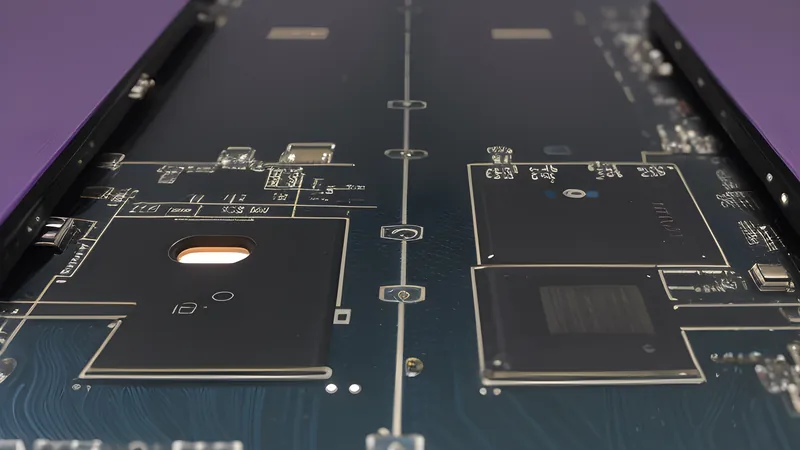
Teardown comparisons of both phones show similarly serviceable internal layouts for their respective price tiers — neither is designed around the component-level repairability Fairphone prioritises, but both use standard screws and connectors rather than excessive adhesive, and official manufacturer repair programmes exist for both battery and screen replacement, at broadly comparable cost around £70-90 for an out-of-warranty screen swap on either phone.
Battery, charging and the parts a spec sheet undersells
Battery capacity favours the Pixel on paper — its cell typically runs 15-25% larger than the SE’s, a direct consequence of the SE’s smaller, older chassis having less internal volume to work with, the same physics that shrinks battery capacity on any compact phone. In practice, independent battery-life testing narrows that gap because the SE’s more efficient flagship-shared silicon draws less power per task than the Pixel’s mid-tier chipset under equivalent load, so measured screen-on-time between the two phones lands closer together than the raw capacity numbers alone would suggest — a good example of why a single spec in isolation rarely tells the full story.
Charging speed is a clearer win for the Pixel: it supports meaningfully faster wired charging than the SE, whose charging speed has lagged behind Android’s typical mid-range pace for several generations running, a genuine and easily overlooked Apple weak point at this price tier. Neither phone ships a charger in the box, both being current-generation devices from manufacturers that dropped the in-box charger years ago, so factor a compatible fast charger into the real cost of either purchase if you don’t already own one.
Storage configurations start at 64GB on the SE against 128GB as the realistic entry point on most current mid-range Pixel models, and neither supports expandable storage — a meaningful practical difference for anyone who shoots a lot of photo or video, where the Pixel’s camera advantage compounds with its more generous base storage tier rather than being undercut by it.
Where each one actually wins
Raw processing benchmarks are not close: the SE’s flagship-shared silicon out-performs the mid-range Pixel’s chipset by a meaningful margin on sustained CPU and GPU workloads in independent benchmark testing, which matters for gaming, video editing on-device, and — critically — for how many years the phone stays comfortably fast before feeling dated. That headroom is the single strongest argument for the SE, and it compounds with Apple’s typical five-plus-year software support window into a phone that’s plausibly still fully current in 2029 in a way a mid-tier Android chipset from the same year likely won’t be.
Camera quality is not close either, in the other direction: independent camera comparisons consistently rank the mid-range Pixel’s photo output ahead of the SE’s, particularly in low light and in dynamic-range handling, where Google’s computational photography stack and larger sensor both contribute a genuine, visible difference in real photos rather than a benchmark-only gap. For anyone whose phone doubles as their only camera — which is most people — that gap is arguably more consequential day to day than the SE’s processing headroom, since photography is a task performed daily while sustained gaming or heavy on-device processing is comparatively rare for most owners.
Display is a clean win for the Pixel too: a higher-refresh OLED against the SE’s smaller, dimmer, lower-refresh LCD is a visible, immediate difference in everyday scrolling and video-watching that doesn’t need a spec sheet to notice.
Ecosystem and software philosophy
The deeper choice underneath the spec comparison is ecosystem, and it’s worth naming honestly rather than glossing over as a personal-preference footnote. iOS on the SE means AirDrop, iMessage, and tight integration with any other Apple hardware already in a household — a Mac, an iPad, AirPods — genuinely working better together than the equivalent cross-brand Android experience does, a real and durable advantage for anyone already embedded in that ecosystem rather than a marketing abstraction. The mid-range Pixel runs closer to stock Android than any other manufacturer’s skin, which means faster access to new Android features at release and a cleaner, less bloatware-laden experience than rival Android phones at the same price often carry — several competing mid-range Android phones still ship a meaningful amount of pre-installed carrier or manufacturer software the Pixel line has always avoided.
Update philosophy differs in a way that matters for the “value fight” framing specifically: Apple supports the SE’s underlying chassis-and-chipset combination as part of one continuous iOS update train regardless of specific model naming, while Google’s Pixel update commitment is tied to the specific model generation, restarting the clock with each new Pixel release. Neither approach is worse, but they create a different mental model for how long you can expect to hold onto the specific device sitting in your hand today.
Did either fix what the last generation got wrong?
Both phones are iterative rather than reinvented relative to their immediate predecessors, and it’s worth being specific about what each generation actually changed. The current SE generation’s headline change was precisely the chipset bump to flagship-shared silicon — the previous generation shipped an older chipset, which meant it aged faster and lost the “flagship-tier headroom” argument sooner than this generation will. That’s a genuine, substantive fix rather than a badge change: it directly extends the phone’s realistic useful life by putting real distance between it and obsolescence.
The mid-range Pixel’s generational changes have consistently centred on camera-processing refinements and closing the update-support gap with Apple, both real and measurable rather than cosmetic — but the chipset itself has moved more slowly than the SE’s did, meaning the raw-performance gap between the two phones has arguably widened rather than closed over recent generations, even as the camera and software gaps have narrowed in the Pixel’s favour.
Neither manufacturer has meaningfully addressed the weakest point of their own phone in doing so: Apple hasn’t given the SE a modern edge-to-edge OLED display, and Google hasn’t closed the sustained-performance gap against Apple’s shared flagship silicon. Both companies appear content to let their phone win the argument it’s already winning rather than shore up the one it’s losing, which is a useful thing to know going in — buying either phone means accepting its specific weakness is a durable feature of the line rather than something the next generation is likely to fix.
The verdict
Buy either, honestly — this is a genuine two-winner comparison rather than one phone being simply better, which is rare enough in this price bracket to say plainly.
Price verdict: at parity around £400-430, neither phone is overpriced for what it delivers on its own terms; the SE holds its value slightly better on the used market thanks to Apple’s typically stronger resale retention, while the Pixel is more frequently discounted directly by Google and retailers within its first year, so timing a purchase around a sale narrows whatever price gap exists at full RRP.
Who it’s for: buy the SE if raw performance longevity and iOS ecosystem lock-in (AirDrop, iMessage, a household of other Apple devices) matter more to you than camera quality — it’s the phone that ages slowest. Buy the mid-range Pixel if photography is your actual daily use case and you want stock Android with Google’s own update commitment — it’s the phone that takes better pictures today and will keep doing so for years. Skip the SE specifically if you photograph frequently and care about low-light results; skip the Pixel specifically if you play graphically demanding games or run processing-heavy apps and want maximum benchmark headroom for the money. Both are better value than reaching for a full-price flagship from either ecosystem at this specific budget, covered in the wider context of the mid-range under-£400 field and the compact-flagship survivors guide if size, rather than ecosystem, turns out to be your deciding factor.
Related Content