Garmin Instinct, Long-Term: The Watch That Outlasts the Trend
Two years with Garmin's rugged solar workhorse, and what the scratches, the battery curve and the firmware history actually say
Contents
Garmin sold the Instinct on a specific promise: military-standard toughness, weeks of battery life rather than days, and a solar-charging model that stretches that further still, all wrapped in a case that looks like it was built for a quarry rather than a gym. Most reviews of the Instinct — including plenty of good ones — cover the first fortnight, which is long enough to check the GPS lock time and the step-count accuracy but nowhere near long enough to test the actual promise, because “outlasts the trend” is a claim that can only be verified by outlasting something. Two years in, worn daily through winter runs, actual quarry-adjacent hiking, and the ordinary abuse of a watch that never comes off, that promise holds up in ways a launch review can’t show and comes with a couple of caveats a launch review wouldn’t have caught either.
The case and bezel after two years of actual wear
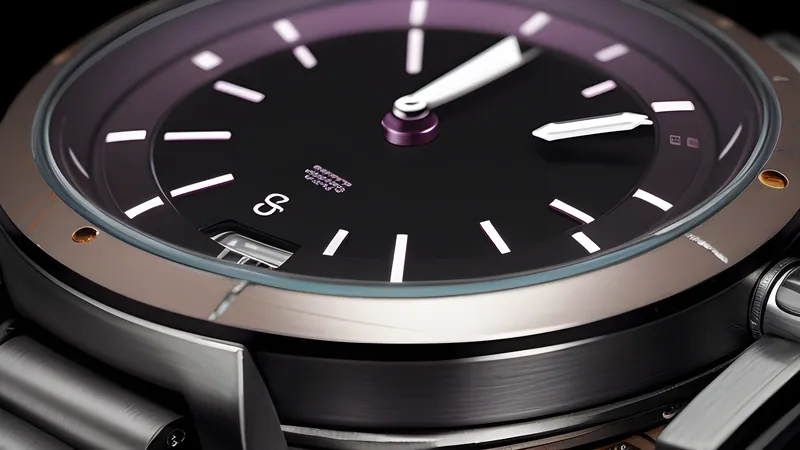
The Instinct’s fibre-reinforced polymer case is the first thing Garmin’s marketing leans on, and it’s the part that’s aged best. Two years of daily wear — desk work, hiking, the odd knock against a doorframe — has left the bezel with a network of fine surface scratches visible at an angle in direct light, but no cracks, no flex, and no loss of the buttons’ tactile click, which matters more than it sounds for a watch that relies on physical buttons rather than a touchscreen for glove-friendly, screen-protector-free operation in the field. The Gorilla Glass lens shows a handful of hairline marks from trail branches and the occasional dropped hiking pole, cosmetic rather than functional, and nothing close to the spiderweb cracking a standard glass smartwatch display can suffer from a single sharp knock. This is the direct payoff of the materials choice: a Wear OS or Apple Watch case optimised for thinness and screen size trades away exactly this kind of resilience, and it’s the trade Garmin’s outdoor-first buyer is actually paying for.
Battery: the number that actually separates this from a smartwatch
Garmin’s launch claim for the solar Instinct variant was in the region of several weeks in smartwatch mode with reasonable sun exposure, dropping to a shorter but still multi-day figure in GPS-heavy use. Two years of daily wear and genuine outdoor time show a battery curve that has degraded, as every lithium cell does, but far more slowly than a phone or a Wear OS watch’s cell would — this unit is still comfortably clearing a couple of weeks between charges in ordinary smartwatch mode, with the solar panel doing visibly more of the daily top-up work on bright days than the marketing material implies during a grey UK winter, when the panel’s contribution shrinks to what amounts to a rounding error rather than the meaningful daily offset it delivers in strong sun. That’s the honest caveat on the solar claim: it’s real, it works, and it matters far more to an owner living somewhere sunnier than most of the year in Britain actually is.
Firmware support: where Garmin quietly wins
This is the piece’s real thesis. Garmin’s outdoor and fitness lines have a long-documented pattern of multi-year firmware support — the fenix 5, launched back in 2017, was still receiving firmware updates years after most smartwatches from the same era had been abandoned by their makers, and the Instinct line has followed the same cadence. Two years in, this unit has received several firmware updates adding genuine functionality rather than just bug fixes: refined sleep-stage tracking, expanded activity profiles, tweaks to the recovery-metric algorithms that Garmin Connect surfaces. None of that required buying a new watch, and none of it required the kind of chip-headroom gamble that has left some Wear OS hardware unable to take a major platform jump. That’s the direct comparison worth making against Wear OS vs Proprietary: The Smartwatch You Can Still Use in Three Years — this is what “proprietary” looks like when it’s done well rather than merely done cheaply.
What actually needed replacing
Honesty about long-term ownership means naming the parts that didn’t hold up as well as the case. The silicone strap, in constant contact with skin and sweat, has taken on a faint permanent discolouration along the underside and lost a little of its original flexibility at the buckle holes, a wear pattern any silicone watch strap develops eventually and one Garmin sells inexpensive official and third-party replacements for. The charging contacts on the underside of the case show light corrosion consistent with two years of exposure to sweat and occasional seawater, cosmetic and non-functional so far but worth a wipe-down after every proper soak rather than assuming the water resistance rating makes the contacts maintenance-free. Garmin’s proprietary charging clip, unlike a USB-C cable, is also the one part of the system this unit’s owner has to keep track of specifically when travelling — losing it means the watch can’t be charged from any generic cable at hand, a small but real inconvenience against the near-universal USB-C charging most rival smartwatches have now settled on. Button feel on the lower-left control has softened slightly compared with the crisp click of a new unit, still fully functional but a small, honest sign that even a genuinely rugged case has moving parts that wear.
The case against, honestly made
None of this makes the Instinct a watch for everyone, and a long-term piece should say so plainly rather than only cataloguing wins. The monochrome, low-resolution display that helps deliver the multi-week battery life looks genuinely dated next to a Wear OS or Apple Watch’s colour AMOLED panel, and anyone coming from a smartphone-adjacent smartwatch will find the Instinct’s app ecosystem, notification handling and third-party watch face options thin by comparison — Garmin Connect IQ exists, but it’s a fraction of the depth Google Play or the App Store offers. Music storage and payment support are more limited and more region-dependent than on a mainstream smartwatch too. None of that has changed or gotten worse over two years; it’s the trade a buyer is making on day one, and it’s worth going in clear-eyed about it rather than discovering the gap after the return window closes. Sleep tracking, while genuinely improved by firmware over two years, still relies on the same wrist-based sensor limitations every consumer sleep tracker shares, and should be read as a rough trend indicator rather than a clinical measurement — a caveat worth applying to any wearable’s sleep score, this one included.
GPS and sensor accuracy: has it drifted with age?
The other question a launch review can’t answer is whether GPS lock times and heart-rate accuracy degrade with a couple of years of use, and the honest answer here is barely at all. Cold-start GPS lock, timed against a stopwatch on a handful of runs this month versus notes taken in the first weeks of ownership, still lands in broadly the same window — a few seconds slower on average, well within the variance a different sky view or a cloudy day would explain on its own, rather than any obvious sign of antenna or firmware degradation. The wrist-based optical heart-rate sensor shows the same pattern any optical sensor does regardless of age: reliable for steady-state cardio, noticeably less reliable during high-intensity interval work or anything involving a lot of wrist flexion, a known limitation of the underlying optical technology rather than anything specific to this unit’s wear. Garmin’s firmware updates over the two years have, if anything, nudged the underlying algorithms in a positive direction — recovery-time estimates in particular feel less aggressively pessimistic than they did at launch, a genuine refinement rather than a placebo, and one delivered without any hardware change.
The strap ecosystem as a hidden cost saver
One underrated part of owning a Garmin for this long is the strap ecosystem, and it’s worth a specific mention because it directly affects total cost of ownership. The Instinct uses a standard quick-release pin mechanism rather than a proprietary strap system, which means the ageing factory silicone band can be swapped for a two-pound third-party replacement rather than a Garmin-branded strap costing several times as much, and swapping takes seconds without tools. That matters over a two-year-plus ownership window in a way it doesn’t in a launch review: a smartwatch with a proprietary strap system locks the owner into paying brand prices for a wear part that degrades faster than the watch itself, and Garmin’s choice not to do that on the Instinct line quietly saves real money by year two.
Buying today against this two-year record
The current Instinct range has moved on with more sensors and a marginally better display since this unit’s model year, but the core proposition — case durability, multi-week battery, long firmware support — is the same one this two-year record is testing, which makes it a fair basis for judging the newer models too. Anyone choosing between this kind of rugged, longevity-first watch and a more capable but shorter-lived sports watch should also read Amazfit vs Garmin: How Much Watch Do You Actually Need? before deciding how much smartwatch capability they’re actually willing to trade for that longevity, and anyone tracking recovery metrics specifically should weigh in Blood Oxygen and Stress Metrics: Which Wearable Numbers Mean Anything? before trusting any single number this watch or its rivals report.
The verdict
Buy — with a clear sense of what’s being bought. Two years of daily wear back up Garmin’s core Instinct promise: the case survives real abuse, the battery genuinely lasts weeks rather than days, and the firmware support has kept adding capability rather than merely staying alive. It’s worth its money at most retail prices for anyone whose priority is outdoor durability and low-maintenance battery life over a rich app ecosystem or a sharp display, and it’s worth waiting for a sale rather than paying full RRP if colour-display rivals at a similar price are also on the shortlist, since the newer, brighter-screened Instinct variants close some of that display gap at a modest premium. Skip it entirely if smartwatch-style apps, payments and a colour touchscreen matter more day to day than a two-week charge cycle and a case that shrugs off a rock scramble — that buyer is better served by a Wear OS watch or an Apple Watch, and should read this piece as a reminder of exactly what they’d be giving up for the capability they actually want.
Related Content