FiiO KA11 Dongle DAC: Does Your Phone Actually Need One?
The cheapest way into USB-C audio, and what it can't fix
Contents
FiiO has built a whole business on the gap left when phone makers pulled the 3.5mm jack: a small brand from Guangzhou now sells more USB-C dongle DACs than most people realise exist as a product category at all. The KA11 sits at the bottom of that range, priced closer to a couple of pints than to a proper hi-fi component. The pitch is simple: plug it between your phone and a pair of wired headphones, and the digital-to-analogue conversion your phone’s own USB-C-to-3.5mm adapter does badly gets done properly instead. The question worth answering honestly is whether “properly” at this price actually moves the needle for most people, or whether it’s solving a problem that only shows up on a bench.
The promise
Every phone without a headphone jack still plays audio out of its USB-C port, either through a cheap adapter bundled in the box or through nothing at all if the box came empty, which is now the default. That bundled adapter typically houses the smallest, least capable DAC chip the phone maker’s supplier could source, because it exists to tick a compliance box, not to sound good. FiiO’s argument, and the argument of the entire dongle DAC category, is that swapping that adapter for a dedicated one with a real DAC chip and its own small amplifier stage recovers detail, dynamic range and output power that the stock adapter throws away.
That’s a real effect, not a manufactured one. Independent audio measurement outlets that bench these things — the kind that publish THD+N graphs and output impedance figures rather than just listening notes — consistently show generic bundled adapters measuring worse across the board than even entry-level dedicated dongles. The KA11 is FiiO’s answer to “how cheap can a genuinely competent one be,” and on the numbers that reviewers who actually put it on an analyser have published, it clears that bar comfortably. Distortion figures sit in territory that would have been considered excellent in a full-size desktop DAC a decade ago. That’s the promise: transparent conversion done properly, where a phone’s bundled dongle tends to convert badly and then amplify that bad result.
What’s actually inside
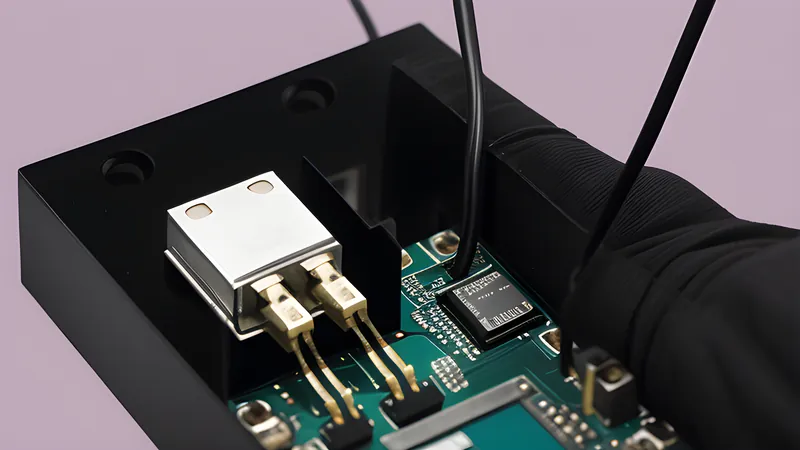
Prise the shell open — or rather, read the teardown coverage from reviewers who did, since FiiO doesn’t publish an internal schematic — and the KA11 is a masterclass in doing one job with the minimum viable parts count. A single combined DAC/amp chip handles both conversion and drive duty, there’s no dedicated headphone amplifier stage layered on top the way FiiO’s pricier KA-series dongles do, and the output is single-ended only: a 3.5mm socket and nothing else. There’s no balanced 4.4mm output, which is the first thing that separates this from the step-up KA13 and above in FiiO’s own range.
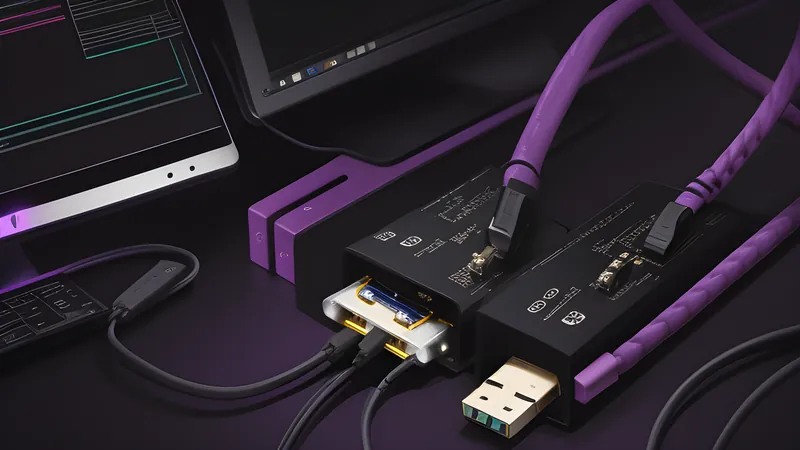
The shell itself is a small zinc-alloy or aluminium body, cool to the touch, with a captive USB-C-to-USB-C cable rather than a cable you have to source separately — a genuinely useful inclusion at this price, since a decent short cable can cost nearly as much as the dongle. Build quality on the shell is better than the price suggests; the plastic-feeling parts are the strain relief at the cable ends, not the housing. There’s a small LED that changes colour to indicate the sample rate being decoded, a feature carried down from FiiO’s more expensive models that costs them almost nothing to include here and gives you a genuine diagnostic: if it’s not lighting the colour your source app claims to be sending, something upstream is downsampling.
Where the parts-count minimalism shows is in output power. Measured reviews consistently put the KA11’s power delivery on the low side of the category — enough to comfortably drive efficient in-ear monitors and most closed-back portables, running out of headroom well before you reach anything resembling a demanding planar or a high-impedance studio headphone. That’s not a flaw so much as a design decision: FiiO has a whole range above this one for buyers who need more current on tap, and pricing this low required cutting the amplifier stage that would have added the cost.
Where it sits in FiiO’s own range, and against rivals
FiiO doesn’t sell the KA11 in isolation; it’s the entry point into a ladder that runs up through the KA13, the KA15, and on into genuinely pocket-hi-fi territory with dual-DAC flagship dongles costing many times as much. Understanding the KA11 means understanding what each step up actually buys you, because it isn’t just “better sound” in the abstract — it’s specific, nameable features. The KA13 adds a balanced 4.4mm output and a small bump in drive current. Models further up add switchable gain, a proper screen, or a second DAC chip run in parallel for lower noise floor. None of that is available on the KA11, and FiiO is not shy about using the KA11 as the loss-leading entry point that gets you into the ecosystem before you decide you want more power or a balanced cable.
Against rivals outside FiiO’s own range — Tempotec’s budget Sonata line, Moondrop’s Dawn, and a crowd of near-identical designs sharing similar reference DAC chips — the KA11 competes mostly on price and on FiiO’s brand reputation for firmware support and build consistency rather than on any single spec that clearly separates it from the pack. At this end of the market the actual DAC chip inside several competing dongles is often the same handful of reference parts from a small set of silicon vendors; the differentiation is in the analogue output stage design, the shell, the cable, and the software polish, not in some proprietary conversion magic unique to one brand. Buyers choosing between the KA11 and its closest rivals are mostly choosing a shell and a support reputation, not a fundamentally different listening experience.
Living with the thing
The daily-use case for a dongle DAC is almost entirely about USB-C phones and tablets that shipped without a jack, and it’s worth being specific about who that helps. If your listening is wireless earbuds or Bluetooth headphones, the KA11 does nothing for you — it’s a wired-only accessory, solving a wired-only problem. If you already own a pair of wired IEMs or headphones you like and your phone’s headphone jack is gone or was never there, this is the cheapest way to keep using them without a Bluetooth adapter sitting in the signal path.
The practical friction is less about sound and more about handling. A dongle hanging off the bottom of a phone changes how you hold it, snags on pockets, and adds one more small object to lose on a train. FiiO’s captive-cable design at least means there’s no separate short cable to misplace, but the dongle itself is exactly the size and shape of thing that vanishes into a bag. It draws power from the phone rather than carrying its own battery, which keeps the size down but does mean measurable additional battery drain during use — how much depends on the phone and the headphones, and it’s not something worth quoting a precise figure for without a controlled test rig, but users report it as genuinely noticeable on longer sessions.
Compatibility is the other real-world variable. Most current-generation Android phones and iPhones with USB-C work without drama, but some phones apply their own volume-limiting or authentication that can clip a third-party dongle’s output or refuse to recognise it at high sample rates. FiiO ships firmware-level fixes for some of these through app updates, but it’s worth checking current compatibility notes for your specific phone before assuming plug-and-play. Gaming and video playback introduce their own wrinkle: some phones route system sounds through the dongle at a different sample rate to music apps, causing an audible click or a momentary dropout as the DAC re-locks — an occasional annoyance rather than a dealbreaker, but worth knowing about before you assume every use case is seamless.
Where it falls over
The honest case against the KA11 starts with the output stage limits already mentioned: if you own anything power-hungry, this isn’t the dongle for it, and buying it expecting a full-size desktop DAC’s headroom in your pocket will disappoint. The single-ended-only output also rules it out for anyone who has already invested in balanced cables for their headphones — that’s a step up FiiO gates behind pricier models in the same range, and it’s a legitimate reason to skip straight to the KA13 if balanced output matters to you.
The bigger question is whether the improvement over a modern phone’s built-in audio path is audible to most listeners on most headphones, most of the time. The honest answer is that on a genuinely bad bundled USB-C adapter, yes, clearly. On a phone with a reasonably competent built-in DAC — and some flagships now do a better job than their supplied adapters suggest — the gap narrows to something only apparent on revealing headphones in a quiet room, not something a commuter with mid-range earbuds is likely to notice. This is a product whose value is highly dependent on what you’re comparing it against, and FiiO’s marketing, like most in the category, doesn’t spell that out.
There’s also the simple fact that a lot of people solved this problem years ago by going wireless and never looking back. For anyone content with Bluetooth earbuds, the KA11 solves a problem they don’t have, and no amount of measured distortion improvement matters for a use case that doesn’t exist for them.
The verdict
Buy. At its actual asking price — routinely available for well under the cost of a single cinema trip — the KA11 does exactly what it claims for the specific person who needs it: someone with wired headphones or IEMs they already like, a USB-C phone with no jack, and no interest in a Bluetooth adapter in the chain. The measured distortion figures are genuinely good for the money, the captive cable is a sensible inclusion, and the build is sturdier than the price suggests.
The price verdict barely moves: this is worth buying near its RRP, because the RRP is already low enough that “wait for a sale” isn’t really the calculation — the gap between full price and a discount is a few pounds either way. It stops being worth it the moment your headphones need more power than a single-ended, amp-light dongle can supply, or the moment balanced output matters to you; in either case, look up FiiO’s own range rather than forcing this one to do a job it wasn’t built for.
Who should skip it entirely: anyone whose listening is wireless-only, and anyone who already owns a pricier all-in-one dongle DAC and is looking at this as a downgrade rather than an entry point. For everyone else holding a USB-C phone and a drawer of wired IEMs, this is close to the floor of what “does the job properly” costs in this category — a fact worth setting against the best USB-C wired earbuds now the jack is gone, several of which assume exactly this kind of dongle sits upstream of them, and against the sub-£50 IEM comparisons that are the other half of a genuinely cheap wired setup.
Related Content