Energy-Monitoring Smart Plugs: The £15 Gadget That Pays for Itself
What a plug with a wattage meter actually reveals once it's on the appliance everyone assumed was fine
Contents
An energy-monitoring smart plug is one of the few gadgets in this desk’s coverage where the promise is genuinely modest and the thing mostly delivers on it: for £12-20, it sits between a wall socket and one appliance, reports how many watts that appliance is drawing in real time, and lets an app tally the running cost over a day, a week, or a month. It won’t automate anything clever on its own beyond basic scheduling, and it only monitors the single device plugged into it — but that narrow promise is exactly why it’s one of the more reliably useful purchases in the smart-home category, rather than a solution in search of a problem.
What’s actually inside
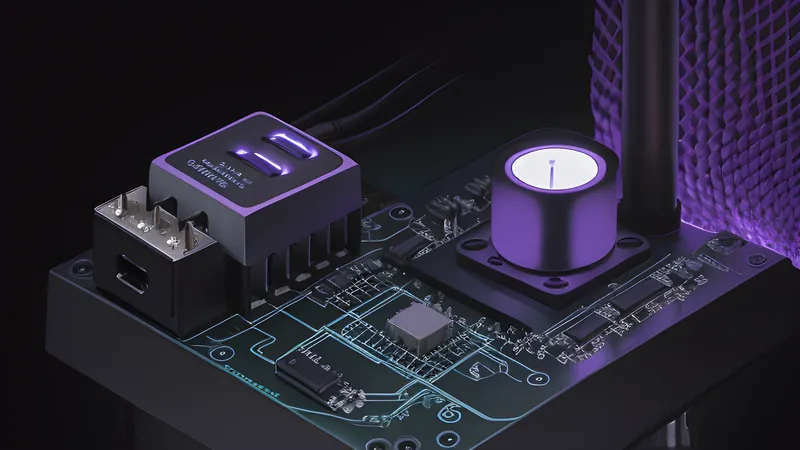
Opening one of these plugs up reveals a genuinely simple bill of materials: a Wi-Fi (or occasionally Zigbee) radio module, a relay for switching, and a current-sensing shunt or Hall-effect sensor feeding an analogue-to-digital converter that measures the actual current and voltage passing through the circuit. That last component is the entire reason these plugs cost more than a basic smart plug without monitoring — a plain on/off Wi-Fi plug can be built for a few pounds less because it skips the current-sensing chip and the calibration step needed to make its readings trustworthy. Teardown coverage of budget monitoring plugs from brands like TP-Link’s Kasa and Tapo ranges has generally found a genuine current-sensing IC rather than an estimated or software-guessed figure, which is the meaningful difference between a plug that actually measures consumption and one that merely infers it from the device’s nameplate rating.
Accuracy: close enough for the decisions that matter
Independent bench testing comparing budget monitoring plugs against calibrated reference meters has generally found accuracy within 3-5% for real, continuous loads like a fridge, a space heater, or a desktop PC — comfortably good enough to identify which of several appliances is the actual drain and to get a genuinely useful running-cost estimate. Accuracy degrades somewhat for devices with very low standby draw (a phone charger pulling under a watt at idle) or with highly variable, spiky loads, where cheap ADC sampling rates can miss brief current spikes that a proper power-quality analyser would catch. None of that undermines the plug’s core use case — spotting a fridge running warmer and drawing more than a healthy unit should, or confirming a space heater really is the biggest line item on the bill — because those are exactly the sustained, meaningful loads the sensing hardware measures reliably.
The appliances that actually justify buying one
The category’s real value shows up on a specific, recurring shortlist: any appliance with a compressor (fridges, freezers, dehumidifiers, portable air conditioning units) because compressor cycling and refrigerant faults show up as abnormal current draw well before the appliance visibly fails; any space heater or heated appliance, because resistive heating elements are reliably the single biggest power draw in a home when running and the ones most likely to be forgotten switched on; and any always-on device with a genuinely unknown standby draw — an old games console, a set-top box, a router that’s actually a small always-on server. Plugging a monitoring plug into each of these in turn for a week, rather than leaving it permanently on all of them (most households only need one or two plugs, moved around), is the most cost-efficient way to actually find where the money’s going, rather than buying a plug for every socket in the house.
Where it genuinely pays for itself
The payback case is straightforward and, unlike some of this desk’s other efficiency gadgets, doesn’t require optimistic assumptions to work. A fridge quietly drawing 30% more than a healthy unit of the same size — a real and common finding once ageing door seals or a failing compressor start showing up in the wattage trace before they show up as warm milk — can represent an extra £30-50 a year in wasted electricity at current UK per-kWh rates, identified and then fixed (reseal the door, or accept that a fifteen-year-old fridge’s time is up) for the cost of a £15 plug. A forgotten space heater left running in an unused room for a full heating season is a more dramatic and more common example still, sometimes representing hundreds of pounds in wasted running cost that the plug’s simple schedule feature (or just the notification that it’s on) directly prevents. That’s a payback measured in weeks rather than the years some smart-home gadgets require, and it’s the reason this is one of the desk’s more unreservedly recommendable devices.
The honest limits
The plug only monitors what’s plugged into it — it says nothing about hardwired appliances like an electric shower, an induction hob, or ducted heating, all of which typically draw more power than anything on a standard socket and are exactly the loads a household most wants visibility into. For that whole-home picture, a clamp-on current sensor at the consumer unit (fed into a home energy dashboard) is the correct tool, a meaningfully more involved installation than a plug that simply sits in a socket. The plug also can’t distinguish between two different appliances daisy-chained through an extension lead plugged into it — it reports the combined draw of everything downstream, which is accurate as a total but useless for isolating which specific device on that extension lead is responsible, a limitation worth knowing before assuming granular per-device data from a single plug monitoring several things at once.
The relay and the safety margin that separates brands
The current-sensing chip gets the marketing attention, but the relay switching the actual load is the component doing the physically demanding job and the one most likely to fail if under-specified. A monitoring plug rated to switch a 13A load needs a relay genuinely rated for that current with headroom for inrush spikes — the brief current surge when a compressor or heating element first switches on, which can run several times higher than the appliance’s steady-state draw for a fraction of a second. Teardown and safety-testing coverage of budget smart plugs has periodically flagged unbranded, marketplace-only plugs using undersized relays or skipping proper fusing entirely, a genuine fire-risk distinction rather than a cosmetic one, which is the strongest practical argument for buying from an established brand with UK safety certification (BSI/CE/UKCA marking) rather than the cheapest unbranded listing available. This matters more for this specific category than for a plain on/off smart plug, precisely because the appliances most worth monitoring — space heaters, fridges, dehumidifiers — are also the higher-current loads where an underrated relay is most likely to show its limits.
Standby draw: the other thing the meter reveals
Beyond identifying one obviously wasteful appliance, a monitoring plug’s real-time readout is also the easiest way to actually see “vampire” standby power — the trickle a games console, a TV, or a printer draws while switched off but still plugged in, waiting on a remote signal or a quick-start feature. Individually these draws are small, typically 1-5W, but a household with a dozen such devices left permanently plugged in can be running a genuinely measurable continuous background load worth £10-20 a year in aggregate, and the plug’s meter is the only practical way to actually see that figure rather than estimate it from a spec sheet that rarely lists standby consumption honestly. It’s a smaller saving than the headline fridge or heater examples above, but it’s a real one, and it’s the kind of thing that only becomes visible once there’s an actual meter in the circuit rather than a guess.
Cloud dependency and the data question
Nearly every monitoring plug in this price bracket routes its wattage history through the manufacturer’s cloud app rather than storing it locally, which raises the same durability question covered elsewhere on this desk regarding smart-home cloud dependency — a discontinued app or a shut-down cloud backend can mean losing access to historical consumption data, even if the plug itself keeps switching the appliance on and off. For anyone who wants the monitoring data to genuinely last and to feed into a broader home energy picture, plugs that expose a local API — several TP-Link Kasa and Tasmota-flashable plugs support this — can be pulled directly into a self-hosted Home Assistant power-monitoring setup, which both avoids the cloud-dependency risk and makes it straightforward to correlate an appliance’s own wattage trace against a whole-home smart meter feed for a genuinely complete picture rather than isolated snapshots per device.
The models worth actually buying
TP-Link’s Kasa KP115 and Tapo P110 sit at the front of this category on genuine merit rather than marketing spend — both have current-sensing hardware independent reviewers have validated against reference meters, both support local API access for anyone wanting to skip the cloud app, and both retail comfortably under £20. Meross and Eve’s monitoring plugs occupy a similar tier with Matter or HomeKit-specific support respectively, at a modest price premium over the TP-Link options, useful specifically for households already committed to one of those ecosystems rather than a reason to choose them on merit alone. The plugs to actually avoid are unbranded marketplace listings with no visible certification and no independent review coverage at all — the accuracy claims on these are frequently unverifiable, and the relay/fusing concern raised above is disproportionately concentrated in exactly this segment of the market.
Pairing it with the bigger efficiency picture
An energy-monitoring plug is a diagnostic tool, not a saving mechanism on its own — the saving comes from the decision made once the data is in hand, whether that’s replacing an ageing fridge, fixing a forgotten heater, or simply confirming a suspicion about which appliance is the actual culprit. It’s the natural companion to the payback maths worked through for smart thermostats elsewhere on this desk: a thermostat’s savings claim is genuinely hard to verify without measuring the actual heating system’s power draw before and after, and a monitoring plug (on an electric-heated home, or on individual space heaters and portable AC units even in a gas-heated one) is the cheapest available tool for turning an assumed saving into a measured one.
The verdict
Buy — at £12-20, this is one of the desk’s easiest recommendations, with a payback period measured in weeks against even a modest finding.
Price verdict: worth it at £15 or under for a single plug moved between suspect appliances over a few weeks; buying one for every socket in the house is unnecessary and a waste of the same money the plug is meant to help save — one or two, rotated deliberately, does the job.
Who it’s for: anyone with an ageing fridge or freezer, a household member who suspects a specific appliance is the culprit behind a higher-than-expected bill, or anyone on electric heating wanting to verify a smart thermostat’s claimed savings against real data. Skip it only if there’s genuinely no curiosity about where the electricity is going, in which case the gadget’s whole promise is moot.
Related Content