CMF Phone 1: Modular Back — Real Feature or Novelty?
Nothing's budget sub-brand bets its identity on three screws and a rotating dial
Contents
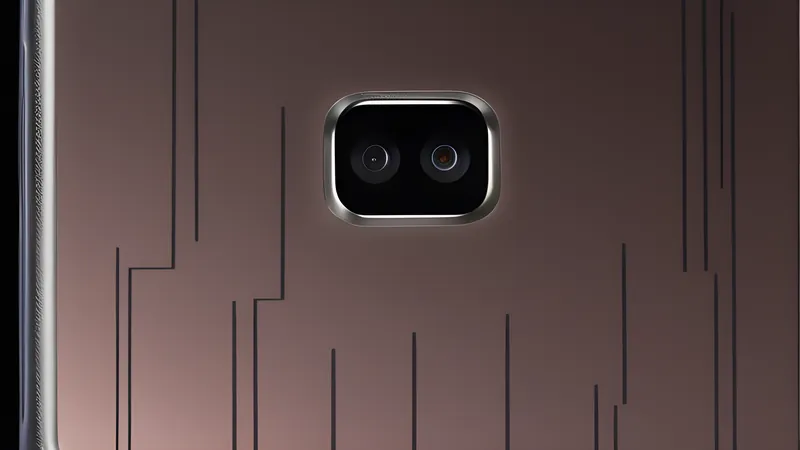
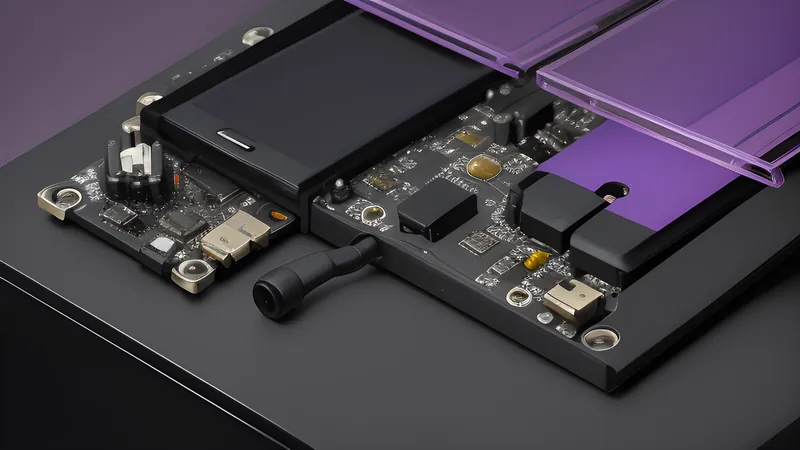
CMF is Nothing’s budget sub-brand, and the Phone 1 is built around a genuinely unusual pitch for a sub-£200 device: a back panel with an exposed rotating dial and three visible screws that isn’t just aesthetic — it’s a real accessory-mounting system, letting a magnetic-and-mechanical attachment click onto the back for a kickstand, a lanyard loop, or a card wallet, all sold as official first-party accessories rather than a third-party case ecosystem. It’s the kind of idea that photographs brilliantly and raises an obvious question the marketing doesn’t answer for you: does the mounting system do anything a normal case-and-MagSafe-style-magnet setup doesn’t, or is it a design flourish dressed up as a feature? I bought one alongside the kickstand and card-holder accessories specifically to find out.
The promise versus the spec sheet
Strip away the back panel and the CMF Phone 1 is a genuinely honest budget phone rather than a gimmick riding on a cheap chassis: a MediaTek Helio G99 chipset, a 6.67-inch 120Hz AMOLED display, 5,000mAh battery and 33W wired charging, all specs that land squarely in line with — sometimes slightly ahead of — other phones at its roughly £180-200 price point. Nothing’s own brand DNA shows in the transparent-adjacent design language and the same Glyph-lite notification LED treatment seen on the pricier Nothing Phone 2a, scaled down for the sub-brand’s lower price tier. None of the core spec sheet is where the interesting engineering decision lives, though — that’s entirely in the back panel.
Materials and the mounting mechanism
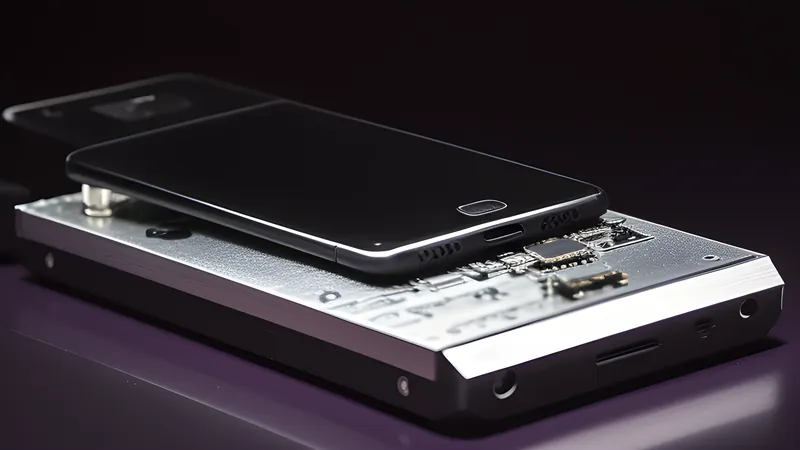
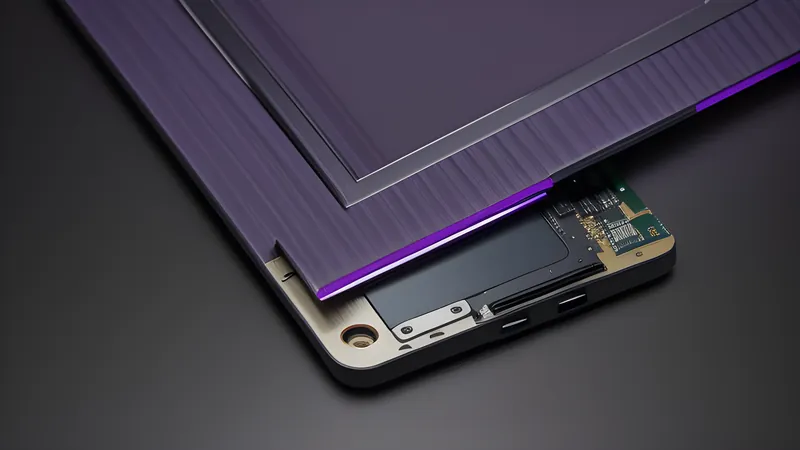
The back panel accessory system is a genuine mechanical design rather than a sticker-on-a-magnet trick: a rotating dial embedded in the back panel engages a mounting point machined into the phone’s rear housing, and official accessories — the kickstand and card-holder tested here — physically screw or clip into that same mounting point using actual fasteners rather than adhesive or magnets alone. Disassembling the kickstand accessory shows a small threaded insert and a metal engagement collar rather than plastic clips, a genuinely more robust approach than a typical magnetic phone-grip accessory, which relies entirely on magnet strength and can be twisted or peeled off with enough leverage.
That said, the core phone chassis itself is unambiguously budget-tier plastic — a polycarbonate back and frame rather than glass or metal — and the mounting hardware, while real, is a modest metal insert set into an otherwise all-plastic housing rather than a chassis-wide engineering feature. It’s honest about being cheap where it doesn’t need to show off, and it spends the material budget specifically on the one part of the phone that’s actually meant to be touched and swapped repeatedly.
What the mounting system doesn’t do
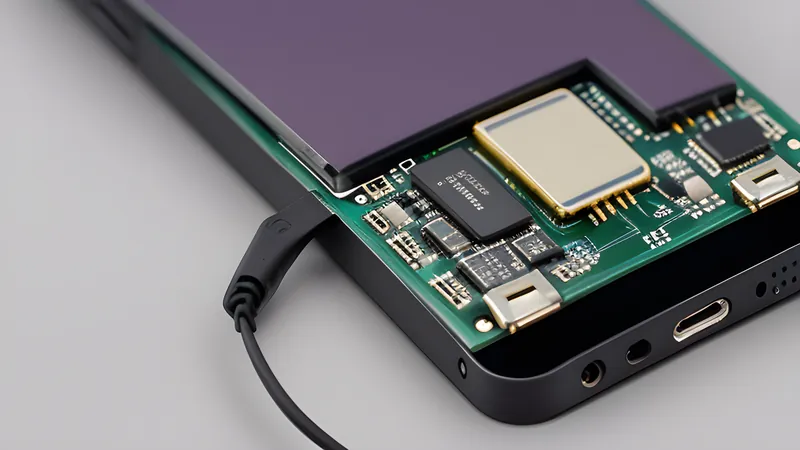
It’s worth being precise about the difference between CMF’s mounting dial and genuine device modularity in the sense the Fairphone 5 uses the word, because the marketing language invites the comparison and the engineering doesn’t support it. Fairphone’s modularity is about serviceability — replacing a worn battery, a cracked screen, a dead USB-C port, the components that actually fail with use. CMF’s mounting dial attaches external accessories to an otherwise entirely sealed, non-serviceable chassis; nothing about the back panel or the mounting dial makes the battery, screen or ports any easier to repair, and a teardown of the core phone shows the same glued-and-screwed construction as any other budget phone in this price tier once you get past the swappable accessory layer. The two products are using “modular” to describe genuinely different things — accessory-attachment versus component-replacement — and it’s an easy conflation to make from the marketing copy alone that a materials-level look immediately clears up.
The IP rating, or rather the lack of one, is the other honest gap the exposed mounting dial creates: the CMF Phone 1 carries no formal IP water or dust resistance rating, and the exposed dial mechanism is plausibly one reason why — a rotating mechanical part set into the rear housing is a harder thing to seal against ingress than a flat, sealed back panel would be. That’s a fair trade at this price point, where few budget phones carry a meaningful IP rating regardless, but it’s worth naming as a genuine cost of the mounting system’s design rather than a coincidence.
Living with the accessories day to day
The kickstand accessory is the strongest case for the system: it holds genuinely firm at multiple viewing angles, doesn’t wobble under a tap-and-scroll motion the way a cheap adhesive kickstand grip often does, and — because it’s mechanically engaged rather than magnetic — doesn’t weaken over time or in cold weather the way some magnetic phone mounts measurably do. The card-holder accessory is a more mixed case: it holds one or two cards securely and adds minimal thickness, but it’s a feature a £5 adhesive card-holder sleeve achieves almost as well for a fraction of the price and without needing a specific compatible phone.
Swapping between accessories takes a genuine twist-and-lock motion that runs a couple of seconds — slower than an instant magnetic snap, yet faster and far more secure-feeling than peeling and re-sticking any adhesive alternative. The dial mechanism shows no play or looseness after several weeks of regular swapping, which is a fair proxy for whether the mounting point will hold up over the phone’s likely ownership life, though it’s not the multi-year test a longer-term piece would need to call this conclusively durable.
The wider CMF accessory catalogue beyond the two tested here includes a lanyard-mount attachment and a wallet-style card sleeve with a stronger closure than the basic card-holder, both using the same twist-lock engagement. Pricing across the range sits at £15-30 per accessory, comparable to third-party magnetic phone-mount accessories rather than a premium over them, which removes cost as a reason to avoid the ecosystem even if the lock-in concern below still applies. Software support is the more standard budget-phone caveat: Nothing has committed to two major Android OS updates and three years of security patches for CMF’s line, a fair but not class-leading commitment next to the eight-year runway Fairphone offers, or even the four-to-five-year commitments now standard on pricier mid-range Android phones.
Camera and display, judged on their own terms
Away from the back panel, the rest of the phone earns its price honestly rather than riding on the novelty. The 50MP main camera produces genuinely usable daylight shots with accurate colour, in line with what independent camera comparisons find typical of Helio G99-class phones at this price — respectable rather than exciting, with the expected fall-off in low light that no software processing at this price point fully compensates for. The 120Hz AMOLED panel is the more pleasant surprise: brightness and colour accuracy measured by third-party reviewers land ahead of several same-price rivals still shipping 90Hz or LCD panels, which is a genuine spec-for-money win independent of anything on the back of the phone. Haptics, often the first thing cut on a budget phone, are similarly a step up from typical budget-tier buzzy motors, with a tighter, more controlled vibration that makes typing and notifications feel less cheap than the price tag suggests.
The honest case against it
The core honest question — does this do anything a case and a standard magnetic mount doesn’t — has a genuinely mixed answer rather than a clean one. For the kickstand specifically, yes: the mechanical engagement is measurably more secure than a magnetic equivalent, and that’s a real, verifiable advantage rather than a marketing claim. For most of the rest of the accessory ecosystem, a decent case with a magnetic ring achieves something close to the same functionality using an industry-standard mounting approach that works across many phones rather than locking you into CMF’s specific ecosystem — and a standard magnetic setup lets you buy from a huge, competitive third-party accessory market rather than a small first-party catalogue.
That lock-in is the real cost of the system, more than any functional shortfall: buying into CMF’s mounting dial means the accessory catalogue is exactly as large as CMF chooses to make it, and there’s no guarantee future CMF phones keep the same mounting geometry rather than changing it on the next generation the way phone case compatibility often breaks between models anyway. Judged purely as an accessory-attachment mechanism, it’s a genuinely well-engineered idea; judged as a long-term ecosystem bet, it’s a much smaller wager than the marketing photography implies, and buyers should treat the accessories as a nice-to-have on top of an already competitive budget phone rather than the reason to buy it.
There’s also a straightforward practical limitation worth naming: using any back-panel accessory means giving up whatever case you’d otherwise put on the phone, since the accessories mount directly to the exposed rear housing rather than over a case. For a phone with no IP rating and an all-plastic frame, that’s a real trade-off between accessory functionality and drop protection that a case-plus-magnetic-mount combination on a different phone doesn’t force you to make.
The verdict
Buy for the phone on its own honest budget-tier merits — the Helio G99, 120Hz AMOLED and 5,000mAh battery combination is genuinely competitive at its price point regardless of the back-panel gimmick — and treat the accessory system as a pleasant bonus rather than the deciding factor.
Price verdict: worth it at the roughly £180-200 RRP purely as a budget Android phone; the kickstand accessory (typically £20-25 separately) is worth adding if you regularly prop your phone up for video calls or streaming, since the mechanical mount genuinely outperforms a magnetic equivalent for that specific use. The card-holder accessory is skippable — a cheap adhesive alternative does nearly the same job for less money and works on any phone.
Who it’s for: budget-conscious buyers who want a genuinely competitive spec sheet at this price and like the idea of a first-party kickstand that actually holds its angle. Skip the accessory ecosystem specifically, though not necessarily the phone, if you’d rather buy into the far larger and more competitive third-party magnetic-case market that works across multiple phones rather than one manufacturer’s proprietary dial.
Related Content