Analogue Pocket: Preservation Done Right, or Collector Bait?
Analogue's FPGA-based handheld promises hardware-accurate preservation for original cartridges. What that promise costs, and who it's actually for
Contents
Analogue built its entire brand identity on a single distinction most of the retro handheld category ignores: the difference between emulating original hardware in software and reconfiguring a chip to actually behave like that hardware at the gate level. The Pocket is the fullest expression of that distinction to date — a handheld with real cartridge slots for Game Boy, Game Boy Color and Game Boy Advance carts (with adapters extending reach further into other original Game Boy-family hardware), running an FPGA rather than an ARM chip loaded with an emulator core. That’s a genuinely different engineering approach from every device covered elsewhere on this desk’s retro-handheld coverage, and it comes at a genuinely different price, which makes the “collector bait” question in this piece’s title one worth taking seriously rather than dismissing.
What FPGA actually means here, and why it’s not marketing spin
A Field-Programmable Gate Array is a chip that can be configured, at the hardware level, to replicate the actual logic gates of an original console’s chipset, rather than running a software program that approximates that chipset’s behaviour on general-purpose silicon. Analogue licenses and commissions these gate-level reconfigurations — openFPGA, the platform Analogue opened to third-party developers, is what makes the Pocket’s core library keep expanding beyond Analogue’s own first-party cores. The practical upshot, independently verified by preservation-focused reviewers and the emulation community that scrutinises this kind of claim hardest, is compatibility and timing accuracy with original cartridges that software emulation on ARM handhelds — the entire Anbernic and Miyoo field covered in The Best Retro Handheld Under £100: Anbernic vs the Field — cannot fully replicate, because software emulation approximates timing behaviour rather than reproducing the original chip’s actual gate-level logic.
The materials and build case for the price
The Pocket’s shell uses a denser, more premium-feeling plastic than the budget ARM handheld field, with a build that independent teardowns describe as considerably more solid than its price-adjacent rivals, and a screen — a high-resolution IPS panel far denser than the pixel count original Game Boy hardware ever needed — built specifically to render original low-resolution sprite art with clean, accurately scaled pixels rather than the blur or aliasing a lower-quality panel introduces at non-native scaling. The cartridge slot mechanism itself is engineered to accept original 1989-era Game Boy carts through to modern Game Boy Advance cartridges via physical adapters, a genuinely demanding mechanical design brief given how different those cartridge form factors are, and independent reviewers report a consistently solid, confidence-inspiring connection rather than the loose-contact cart-reading issues some cheaper flash-cart solutions have historically suffered from.
The honest price-to-value case
This is where the “collector bait” question has real teeth. The Pocket costs meaningfully more than any device in the sub-£100 ARM handheld field, and for a huge fraction of that field’s actual use case — playing widely emulated ROMs of games a buyer doesn’t own on original cartridge — the price premium buys accuracy improvements that are real but genuinely hard for most players to perceive without frame-by-frame comparison footage. Where the premium earns its keep unambiguously is for the specific buyer with an existing physical cartridge collection who wants to actually play those carts on modern hardware with genuine accuracy, and for the preservation-minded buyer who cares about correctness as a principle rather than a perceptible gameplay difference. Buying a Pocket purely to run downloaded ROMs through its (more limited, more curated) software-compatible layer is a legitimate but expensive way to get a very good screen; it isn’t the use case the premium price is actually paying for.
openFPGA and the expanding core library
Analogue’s decision to open the Pocket’s FPGA core-development platform to third-party developers has been the device’s most important move since launch, because it’s turned a device originally limited to Analogue’s own first-party Game Boy-family cores into a platform with a steadily growing, community-developed library of FPGA cores replicating other original hardware platforms at the same gate-level accuracy. That expansion is genuinely valuable and genuinely uneven in pace and polish — individual openFPGA cores vary in completeness and update frequency depending entirely on the specific developer maintaining them, unlike Analogue’s own first-party cores which come with a company standing behind their accuracy claims. A buyer evaluating the Pocket today should look at the current state of the openFPGA core they actually want, not just the device’s launch-era first-party feature set, since the gap between those two things is now the single biggest variable in what the device can actually do. Community documentation of core status — which platforms are fully accurate, which are still in active development, which have known compatibility gaps — has matured alongside the hardware, and checking it before buying for a specific target platform beyond the native Game Boy family is a five-minute step that avoids most of the disappointment early Pocket buyers reported.
Materials honesty: what a teardown says the price bought
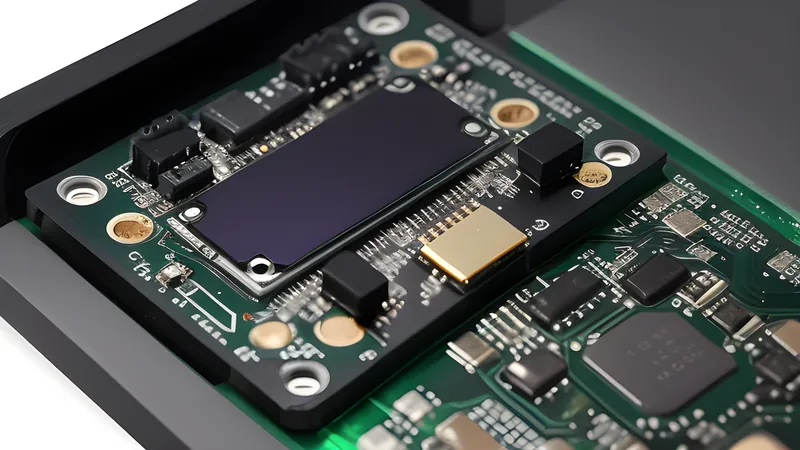
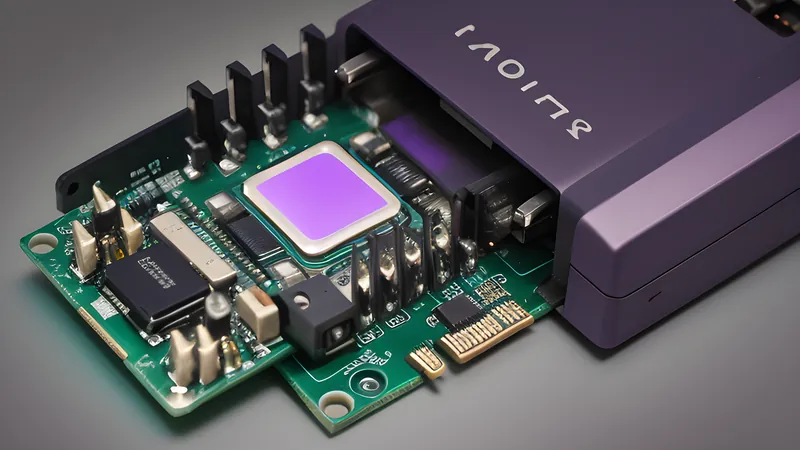
Independent teardown coverage of the Pocket’s internals shows a genuinely more expensive bill of materials than the ARM handheld field: the FPGA itself is a pricier component class than the low-cost application processors budget handhelds use, and the display, cartridge-slot mechanism and overall assembly tolerances all read as deliberately built past the budget category’s cost ceiling rather than dressed up to look that way externally. This is the honest materials answer to the “collector bait” framing: the premium is substantially a real component and engineering cost rather than a pure brand markup, even if the practical, perceptible benefit over software emulation is narrower for the average buyer than the price gap alone would suggest. That distinction — real engineering cost versus perceptible everyday benefit — is the fairest way to read the Pocket’s price for any buyer trying to decide whether the premium is worth paying rather than simply trusting the brand’s own framing of it. The resale market treats the Pocket differently from most of this desk’s other retro hardware, too: limited-run colourways and steady ongoing demand have historically held their value well on the secondhand market, a genuine factor for a buyer weighing the premium price against a device that’s unlikely to depreciate the way a mass-produced budget handheld typically does.
Battery life and the Dock: the ecosystem beyond the handheld
The Pocket’s battery life in independent testing lands in a solidly competitive multi-hour range for a handheld with a high-resolution screen and an FPGA doing considerably more real work than a low-cost ARM chip running a lightweight software core, though it doesn’t chase the multi-day figures a screen-off, button-only device could hit. USB-C charging is standard, a small but appreciated convenience against older proprietary charging standards some enthusiast hardware in this space still uses. Analogue also sells a separate Dock accessory that outputs to a television at a resolution and clarity original Game Boy-family hardware never offered, extending the FPGA-accuracy pitch from a handheld screen to a living-room display — a genuinely compelling proposition for the collector audience this device targets, and an additional cost worth factoring into the real total price of the “accurate preservation” ecosystem rather than judging the handheld alone.
The honest limitations, stated plainly
The Pocket’s cartridge-slot design, for all its mechanical solidity, is still fundamentally built around the Game Boy hardware family — original Game Boy, Color, and Advance via adapter — and doesn’t extend cartridge support to other console families the way some flash-cart or multi-system solutions attempt to. Battery cover and cartridge adapter parts have occasionally been subject to limited-run availability at launch windows for special-edition colourways, a real friction point for collectors chasing a specific variant that a mainstream ARM handheld buyer never has to think about. And openFPGA’s biggest limitation remains legal and licensing reality rather than technical capability: several console families with passionate communities lack a widely available first-party or community FPGA core specifically because the underlying original chipsets are complex or under-documented enough that gate-level replication remains a genuinely hard, ongoing engineering project rather than a solved one.
Who it’s actually for
The clearest buyer for the Pocket is someone with a real physical cartridge collection wanting a modern, portable, accurate way to play it, followed closely by the preservation-minded enthusiast who values gate-level accuracy as a principle and is willing to pay for it even without a cartridge collection of their own. The buyer who should think harder before purchasing is the one whose actual use case is downloaded ROMs and a nice screen — that buyer is better served, pound for pound, by Miyoo Mini Plus: The £60 Emulator That Started a Craze or the wider ARM handheld field, none of which pretend to gate-level accuracy but all of which deliver a software emulation experience close enough for the overwhelming majority of players to enjoy without noticing the difference.
The verdict
Buy — for the collector with real cartridges or the preservation purist who wants the most accurate hardware-level reproduction available in a portable form, the Pocket is worth its premium price without qualification, and openFPGA’s growing third-party core library keeps adding value well past the original purchase. It’s a harder recommendation, at the same price, for the buyer whose actual habit is downloaded ROMs rather than physical cartridges — that buyer is paying a real premium for an accuracy gap that’s genuine on a technical level but narrow in practice, and would get more raw value from a cheaper ARM handheld and the difference in cash. Wait for a firmware or core update before buying if a specific openFPGA core central to your use case is still early or unpolished; check the current state of that exact core rather than the device’s overall reputation.
Related Content