Why Openers Deserve Your Attention
In praise of the band that plays to a half-empty early room
Contents
I am the person at the bar when the doors open. I have a drink and a good spot by the time the opening band walks on to a room that is maybe a quarter full, and I watch every note of their thirty minutes while most of the ticket-holders are still finishing dinner or arguing about parking somewhere out on the street. This makes me, apparently, a bit of a weirdo. It also means I’ve seen more genuinely thrilling live music in half-empty rooms at eight o’clock than most people see all year, and I’d like to make the case for you joining me down there.
The opening slot is the most under-loved thirty minutes in live music. It’s played to the thinnest, coldest, least-committed crowd of the night, for the least money, under the worst conditions, and it is where more of the best bands you’ll ever love are hiding than anywhere else in the building. Skipping it to arrive “when the real band comes on” is one of those small habits that quietly costs you the good stuff.
The room at eight o’clock
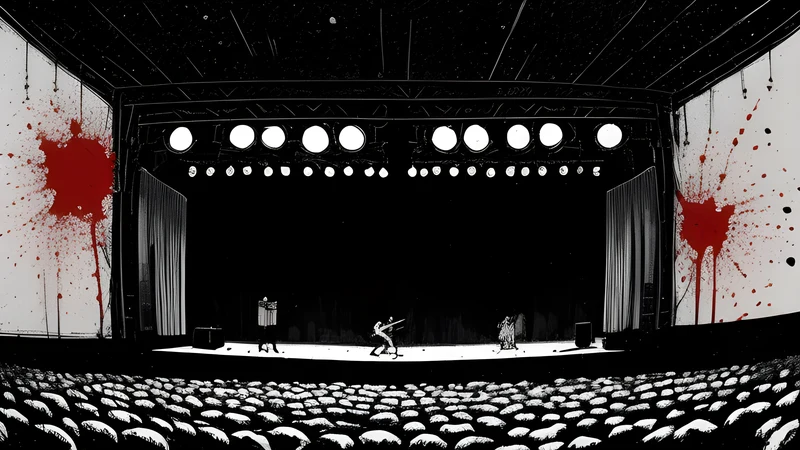
Let’s be honest about what you’re walking into if you come early, because the reason people skip it is real. The room is half-empty. The energy is flat. The sound is often rough because the engineer is still finding the room and the opener rarely gets a proper soundcheck. The crowd that is there is standing back with folded arms, drinks in hand, waiting to be impressed rather than trying to be moved. It is a cold house, and playing to a cold house is genuinely hard.
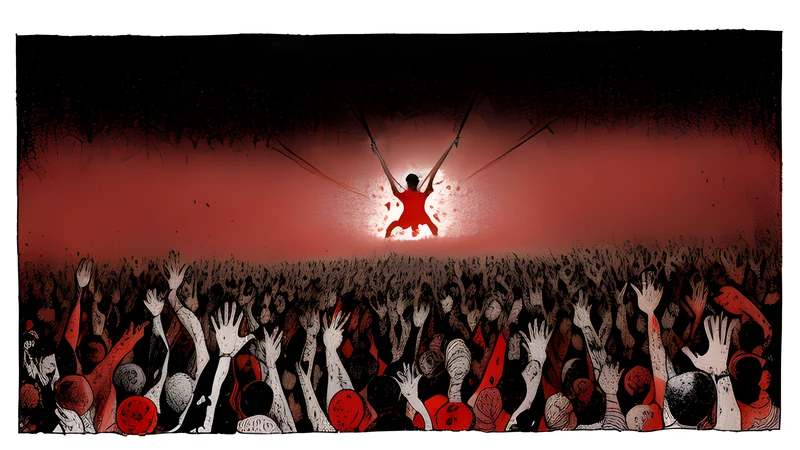
Now watch what a good opener does with it. They walk on knowing full well that three-quarters of the people who’ll be here in two hours aren’t here yet, that the ones who are here came for someone else, and that they’ve got half an hour to change some minds. The great ones attack it. They play like the room is packed, and about ten minutes in you feel the arms unfold, the drinks go down, people drift forward off the back wall. By the end of a really good support set the room has doubled and the crowd is theirs. Watching that happen — watching a band win a room that didn’t want them — is one of the purest pleasures the whole night has to offer, and it’s over before most people have arrived.
I’ve caught bands as openers in the small back rooms of Loppen out in Christiania who a couple of years later were headlining the main floor, and there is a specific smug joy in having been in the room of forty people when they were still the warm-up. That’s not about bragging rights. It’s that a band at that stage plays with a hunger you never quite get back once they’re comfortable. They have everything to prove and nothing to lose and half an hour to do it in.
The slot as a ladder
There’s a structure under all this that’s worth understanding, because it changes how you watch. The support slot is a ladder, and everyone on the bill is somewhere on it. The opener tonight is a headliner in three years’ time, or they’re not, and the difference is often visible from the front row before it’s visible anywhere else.
The economics are brutal and worth knowing. Openers frequently play for a token fee or none at all, sometimes literally paying for the exposure on the bigger package tours through a “buy-on” the industry politely doesn’t discuss. They load in first and get the smallest corner of the stage, playing in front of the headliner’s gear with a fraction of the lights and often a borrowed drum kit. They get a strict thirty minutes and a hard stop, because the schedule belongs to the headliner. Every advantage in the building is pointed away from them. And they get up and do it anyway, night after night across a tour, to rooms that keep filling up only as their set runs down.
Understanding the ladder also tells you why the slot matters so much to the bands on it. A good support run in front of the right headliner’s audience is how a career gets built — thousands of people a night who came for someone else, a percentage of whom go home and look you up. That’s why the hungry ones treat thirty minutes to a cold room like the most important half-hour of their lives. Because it might be. The person deciding whether to become a fan is standing at the bar with folded arms, and the band has one song, maybe two, to reach them before they turn back to their conversation.
What you actually get out of it
Enough about the bands. Here’s what’s in it for you, the punter, and it’s more than charity.
First, you discover things. Streaming has flattened the way most of us find music into an algorithm serving us more of what we already like, and the support slot is one of the last places where you get genuinely ambushed by a band you’d never have chosen. You walked in for the headliner and you walk out having found something you’d never have searched for. That surprise is rare and valuable and increasingly hard to get any other way.
Second, you get the room at its best. The early crowd is smaller, cooler and calmer, which means a good spot near the front is available for the taking, the bar has no queue, and you can actually move. By the time the headliner’s crush arrives you’ve earned your place and settled in. Turn up “fashionably late” and you’re fighting through a packed floor to a bad sightline at the back, having missed the one part of the night with elbow room.
Third — and this is the real one — you get to see the whole shape of a night. A well-built bill is a curated thing. The headliner chose these openers, or at least approved them, and the good bills tell a story across the evening: a build in energy, a conversation between bands who share something, an argument even. Skipping the opener is reading a novel from chapter three. You get the ending but you’ve thrown away the setup that makes the ending land.
How to be a good early crowd
Here’s the part I can’t fix for you: the opener’s night is partly in your hands. A cold room is a chicken-and-egg problem, because the reason the room is cold is that the room is empty, and the reason it stays empty is that everyone’s decided the opener isn’t worth crossing the floor for. Four people standing at the front changes the whole physics of the set. The band plays to faces instead of folded arms, the faces respond, the response pulls the stragglers off the back wall, and suddenly there’s a show happening. You can be one of those four people. It costs nothing and it genuinely alters what happens on stage.
So move up. Don’t hang at the back treating the support like background music for your conversation — go and stand where they can see you and give them something to play to. Clap in the gaps even if you don’t know the songs; a band grinding through a flat room can hear the difference a single enthusiastic pocket of a crowd makes, and it lifts them. Buy the record on the way out if they were any good, because thirty quid of merch at the merch table is often the literal difference between an emerging band making the next city and turning the van around. The support act’s whole economy runs on the goodwill of the handful of people who bothered to show up early, and you can be that goodwill for the price of showing your face.
And put the phone away for their set the same as you would for the headliner. There’s a specific small cruelty in a band pouring everything into thirty minutes while the sparse crowd films it one-handed over their pints, half-watching. Give the openers the room’s full attention and you’ll be astonished how often they repay it. The best support sets I’ve ever seen happened because a cold room decided, collectively and early, to actually turn up for them — and you can be the person who starts that.
First through the door
I’ve been the first-through-the-door type for twenty years, since I was a teenager working out that the interesting stuff at a gig happened at the edges of the bill rather than the middle. It became a habit and then a principle. The headliner is the reason the poster exists, sure, but the headliner is also, usually, the known quantity — the band you already love, doing the thing you already know they do. That’s the meal you ordered. The opener is the thing the kitchen sends out that you didn’t ask for, and it’s where the surprise lives.
Twenty years of arriving early has given me a mental map of the Copenhagen scene built almost entirely out of support slots. Half the bands I now consider home-town favourites I first saw playing third-on to a room that hadn’t filled up, in the back room of a club on a wet Tuesday, and I watched them climb the bill over the following seasons until they were the name at the top. You can’t buy that. You can only earn it by being there early, again and again, most nights getting a decent-but-forgettable warm-up and every so often getting a band that reorders your year. The ratio is worth it. It has always been worth it.
The case against, honestly
I’ll grant the other side its due, because it’s not all noble. Some openers are genuinely not ready, put on the bill for reasons that have nothing to do with the music — a promoter’s mate’s band, a local act bought onto the tour, someone’s label doing a favour. You will, if you go early often enough, sit through some thirty-minute sets that test your patience and your earplugs. The rough sound is real. The flat room is real. Not every warm-up is a diamond, and pretending otherwise would be a lie.
But the hit rate is far better than the reputation suggests, and the downside is only thirty minutes and the price of a drink you were going to buy anyway. Against that you’re staking the chance of catching a band you’ll follow for a decade in the room where they were still nobody. I’ll take that bet every single time. It’s the best-value ticket in the building, and it’s printed right there on the one you already bought.
So come early. Get your drink, find your spot, and give the band on first the same attention you’d give the name on the poster. Half the room won’t be there yet. That’s exactly why you should be. The best thing you see all night might be the thing you’d have skipped, walking on at eight o’clock to a room that hasn’t decided yet whether to care — and deciding, over the next thirty minutes, to make it.
Related Content