Ulver: The Band That Refused to Stay a Band
From black metal wolves to synth-pop and back — the most shape-shifting act in Norwegian music
Contents
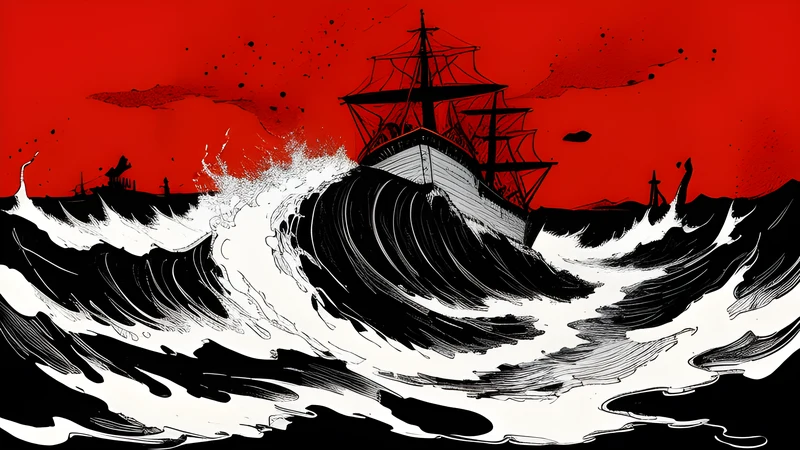
Most bands are a sound. Ulver are a refusal — a thirty-year argument against the idea that a band has to be any one thing at all. They began in the early 1990s as one of the most acclaimed acts of the Norwegian black metal underground, wolves in the frost, and they ended up making synth-pop, ambient drone, film scores and orchestral chamber music, sharing almost nothing with their origins except a name and a restless, uncompromising intelligence. There is no other career quite like it in heavy music, and following it from the outside is one of the more fascinating experiences the Norwegian scene has to offer.
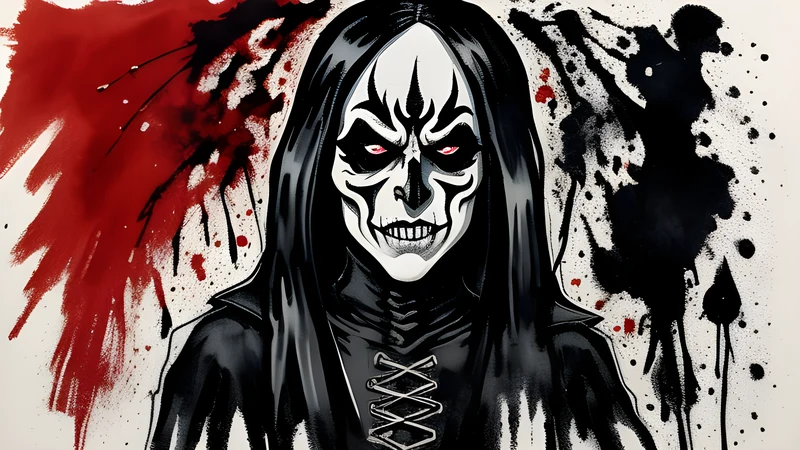
The word people reach for is chameleon, and it is not quite right, because a chameleon changes to blend in and Ulver change to stand apart. Under every transformation is the same guiding sensibility — cold, literary, allergic to the obvious — carried by founder and constant Kristoffer Rygg, who has performed under names including Garm and Trickster G and who is the one thread running through every incarnation. To love Ulver is to love that sensibility more than any particular sound it happens to be wearing.
The black metal trilogy
Ulver formed in Oslo in 1993, and their first three albums are a self-contained masterpiece that would have secured their legend even if they had stopped there. Known collectively as the black metal trilogy, they are startlingly different from one another. Bergtatt, from 1995, is atmospheric black metal shot through with clean singing, folk melody and a fairy-tale narrative drawn from Norwegian folklore about a woman lured into the mountains. Kveldssanger, in 1996, abandoned metal entirely for an album of acoustic guitars and choral vocals — a hushed, pastoral record that on paper had no business existing on the same shelf as its predecessor. And Nattens Madrigal, in 1997, swung violently back to the harshest possible black metal, recorded with a deliberately raw, ferocious production that has become legendary among purists.
Three albums, three sharply different statements, all released within a couple of years. In retrospect the trilogy was a warning label. A band capable of that range in its opening act was never going to settle down, and the mountain-folklore world of Bergtatt signalled from the start that Ulver were more interested in mood and narrative than in genre loyalty.
Wolves in the scene
To understand how radical the leaving was, you have to understand how central Ulver were to the thing they left. In the mid-nineties the black metal trilogy placed them among the most respected bands in the Norwegian underground, name-checked alongside the genre’s founders. Rygg moved in the same circles as the whole Oslo scene; he contributed guest vocals to the era’s landmark recordings, and Ulver were treated as one of the standard-bearers for where the music could go. They walked away from a position of genuine authority, at the exact moment when doubling down would have been the safe and celebrated choice. There is a version of Ulver that stayed in black metal and became elder statesmen of it, touring the trilogy to devoted crowds forever, the way Mayhem tour De Mysteriis. Ulver looked at that future and declined it, which tells you most of what you need to know about the band’s priorities.
Part of what made the departure possible was that Ulver’s black metal was always slightly apart from the pack. The folklore, the clean singing on Bergtatt, the entirely acoustic Kveldssanger — these were signs of a band using the genre as one colour rather than a creed. Where the scene’s ideologues treated black metal as a total identity, Ulver treated it as a medium, and a medium can be set down. That instrumental attitude to genre is the seed of everything that followed.
The break: William Blake and the electronic turn
The decisive rupture came in 1998 with Themes from William Blake’s The Marriage of Heaven and Hell — a double album setting Blake’s entire poem to music that swerved wildly through electronic beats, industrial textures, ambient passages and rock. It shares essentially nothing with the black metal trilogy. It was the moment Ulver announced, unmistakably, that they were leaving the genre behind, and they never went back.
What followed was one of the most fearless runs in European music. Perdition City in 2000 was a nocturnal, jazz-inflected electronic record imagined as the soundtrack to an imaginary film noir. Through the 2000s and 2010s came ambient works, film and theatre commissions, drone collaborations, and a steady deepening into electronic and orchestral music. Ulver became, in effect, a studio art project that happened to have grown out of black metal, as comfortable scoring a stage production as releasing an album.
Perdition City and the sound of a city at night
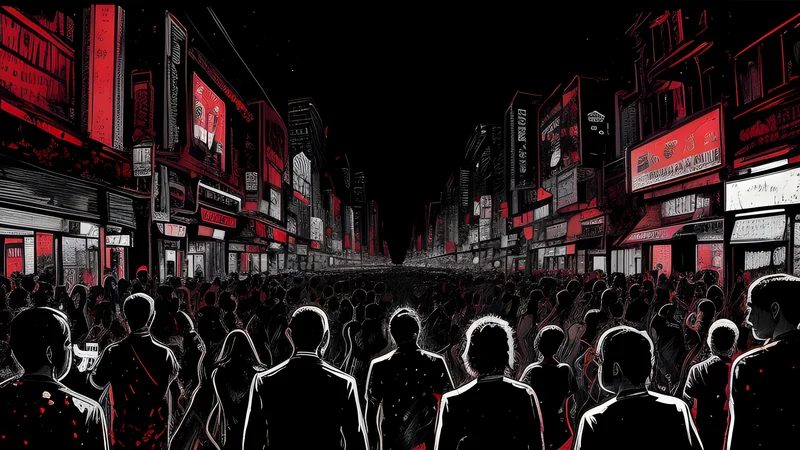
If one record deserves rescuing from the shadow of the more famous turns, it is Perdition City. Released in 2000 and subtitled “Music to an Interior Film,” it is Ulver imagining the soundtrack to a movie that does not exist — a nocturnal, urban, jazz-and-electronics record that feels like walking through an empty city after midnight. It was startlingly ahead of its time; a lot of what became fashionable in moody electronic music over the following decade is prefigured here. The album marked the point where Ulver’s cinematic instincts fully surfaced, and it is no coincidence that so much of their later work has been literal film and stage scoring. They had always been writing soundtracks to films in their heads; Perdition City just made the conceit explicit. For anyone who finds the leap from black metal to synth-pop too vertiginous to follow, this record is the hinge — the place where you can hear the old darkness translating itself, without contradiction, into a new and entirely modern language.
The Assassination of Julius Caesar: Ulver as pop band
The transformation reached its most startling point in 2017 with The Assassination of Julius Caesar, on which Ulver — the former black metal wolves — made a lush, unashamed synth-pop record. Glossy eighties textures, soaring melodies, Rygg singing in a full clean croon: it sounds like Depeche Mode filtered through a very European melancholy, and it is genuinely wonderful. The people who had followed the band from Nattens Madrigal had, by this point, been trained across two decades to expect anything, and even so the completeness of the pop turn was a delightful shock.
The remarkable thing is that it does not feel like a stunt or a betrayal. The same intelligence that shaped the black metal trilogy is audible in the pop songs — the literary lyrics, the historical and mythological reference points, the refusal to write a dumb hook when a strange one would do. Ulver simply moved the sensibility into a new body. It turned out the wolves had always been a pop band in some deep sense; it just took them twenty years to admit it.
The live question
Because Ulver were for years a studio-only entity, playing live at all was itself a statement when they finally began doing it. Their concerts are elaborate, atmospheric events — closer to installations than to rock gigs, heavy on lighting and projection and mood, drawing largely on the electronic and pop material rather than the black metal past. Rygg has been clear that the band have little interest in nostalgia; you do not go to an Ulver show to hear Nattens Madrigal, and the audience that turns up knows it.
That refusal to trade on the past is bracing in a live culture increasingly built on anniversary tours and full-album performances of classics. Ulver treat their catalogue as a living thing to draw from selectively rather than a museum to walk visitors through. The adventurous European festivals that value exactly this kind of artistry — the sort of curated, attentive events around Bergen and the wider Norwegian circuit — are where the band make most sense, playing to crowds who have signed up for uncertainty.
The name, and the joke inside it
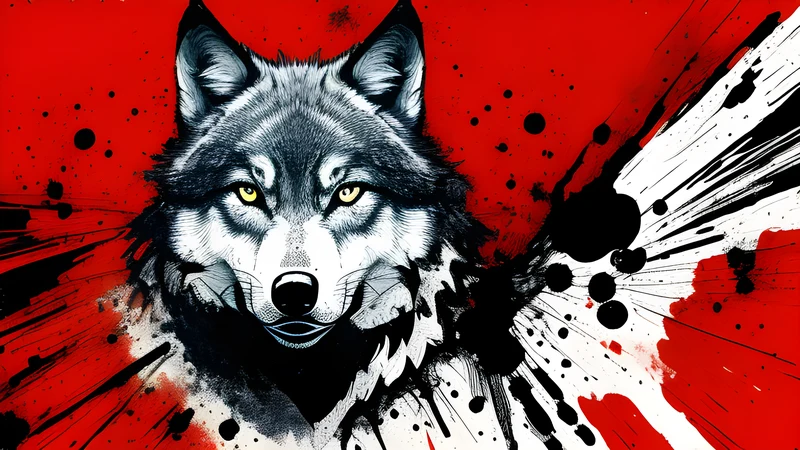
Ulver means “wolves” in Norwegian, and the band have played with the image across their whole career — always the wolf, never quite tamed. There is a wit to how they have handled their own mythology that gets overlooked because the music can be so serious. Rygg is a genuinely funny, self-aware figure in interviews, thoroughly allergic to the po-faced grandiosity that afflicts much of extreme music, and that lightness leaks into the work. The pop record is partly a joke — a beautiful, sincere joke — about the distance the band have travelled, and you cannot fully appreciate late Ulver without hearing the mischief in it. A band this committed to reinvention has to have a sense of humour about itself, or the whole enterprise would collapse under its own portentousness.
It is worth saying, too, that the reinventions have kept coming. The years since the pop turn have brought further records that fold in orchestral writing, live drone experiments and yet more electronic textures, along with a knack for the unexpected reissue and collaboration. The band show no sign of arriving anywhere final, which is exactly as it should be. A band whose defining trait is refusal cannot afford to settle, because settling would be the one move that betrays them.
It is worth stressing how few peers Ulver have in this. Plenty of bands change lanes once — a heavy act goes acoustic, a rock band flirts with electronics — and return chastened to the fold. Almost nobody sustains total, repeated transformation across three decades while keeping critical respect and a devoted audience the whole way. The nearest comparisons come from outside metal entirely — the great restless figures of art-rock, the David Bowie lineage of musicians who treated each record as a chance to become someone else. That Ulver arrived at that company from the frozen Norwegian underground, of all starting points, makes the achievement stranger and more singular than any single one of their records suggests.
What the refusal means
The obvious risk of a career like this is incoherence — a band so committed to change that nothing holds together, a discography that reads as a series of unrelated experiments. Ulver escape that trap because the change is always principled. Every turn is a genuine artistic decision rather than a bid for novelty, and the underlying voice — cold, curious, unwilling to repeat itself — persists through every genre it inhabits. Listen across the whole span and you hear one restless mind working rather than a committee chasing trends.
That is the real lesson of Ulver, and it is a rare one. They demonstrate that a band can be defined by a sensibility rather than a sound, that identity can live in how you think rather than in what instruments you happen to be holding. Most artists find their thing and defend it for a lifetime. Ulver found their thing and it turned out to be the freedom to keep leaving. The wolves refused to stay a band, and in refusing they became one of the most consistently interesting acts Norway has ever produced — consistent, that is, in everything except the one thing everyone else calls consistency.
Related Content