Train: Aarhus's Big Night Out
The Toldbodgade room where the gig becomes the afterparty
Contents
Every city has the room where the gig is only half the evening. In Aarhus that room is Train, a big box on Toldbodgade down near the harbour that has spent decades doing the thing smaller rooms cannot: putting a genuinely large touring act on stage and then, once the band has loaded out, flipping the whole floor into a nightclub until the small hours. It is the venue for the night you have planned around, the one where you buy the ticket weeks ahead and the evening does not end when the encore does.
The size of the thing
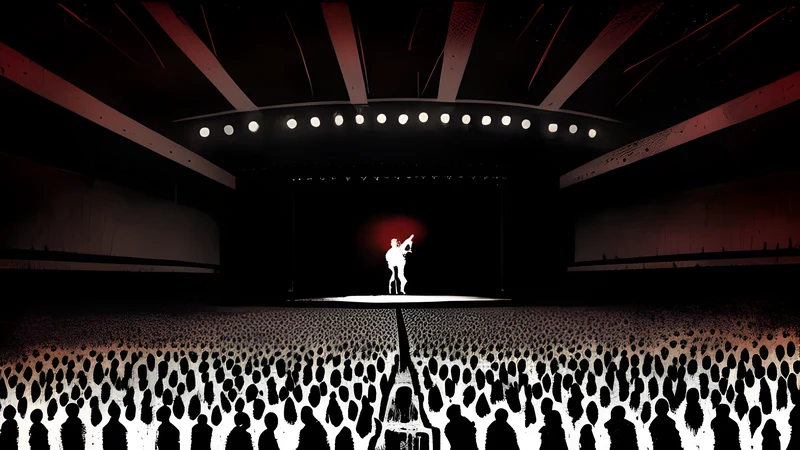
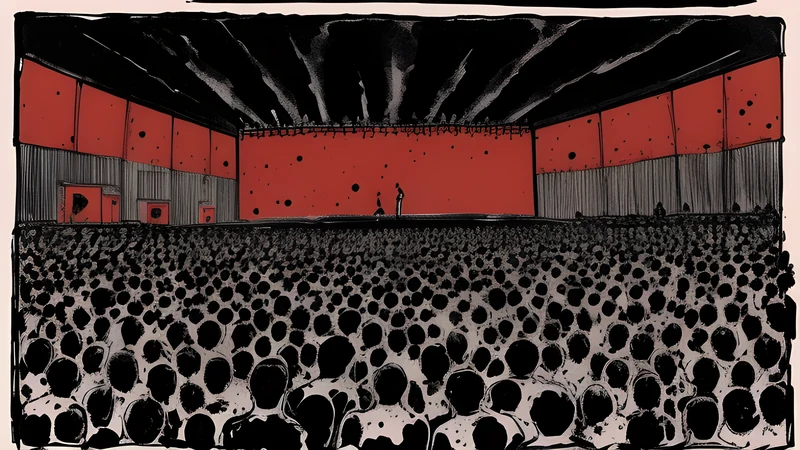
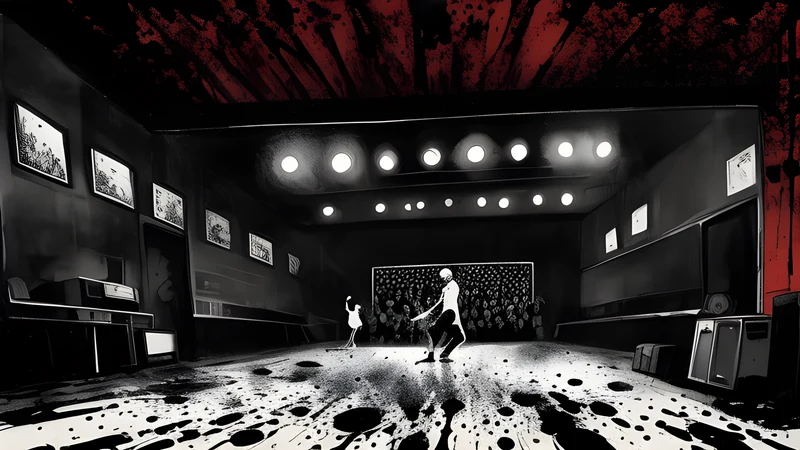
Train is one of the larger rooms in Aarhus, holding well over a thousand on a full night, and that scale changes everything about how it feels compared to the mid-size clubs across town. This is a room built to carry a big production — a proper stage, a lighting rig with ambition, the kind of PA that can shove air across a deep floor. When a touring band with a real live show comes through, Train is where they play, because Voxhall and the smaller regional rooms simply cannot hold the crowd or hang the rig.
That size comes with the usual trade-offs, and I will be honest about them because a venue guide that only flatters is useless. A big room is harder to make sound intimate. Stand at the back of Train on a busy night and you are a fair distance from the stage, the low end can get woolly the way it does in every large box, and the sightlines depend heavily on where you plant yourself and how tall the people in front of you are. This is the physics of the format. You trade the eye-contact closeness of a club for the spectacle and the crowd energy of a big room, and on the right night that is a very good trade.
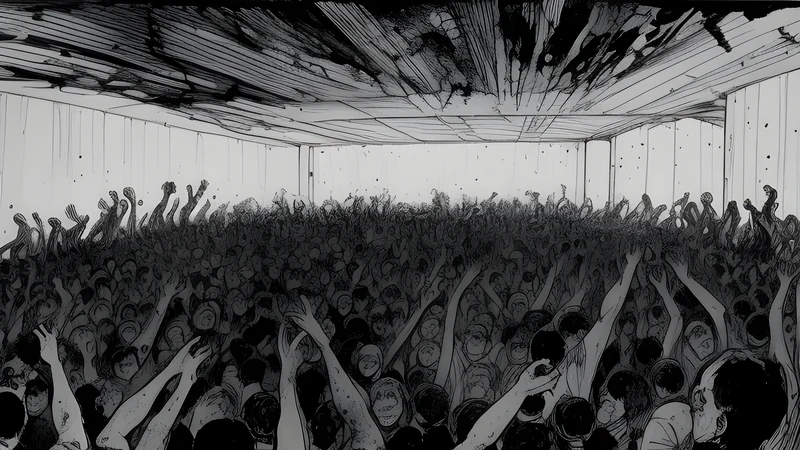
Down at the front it comes alive. A packed Train floor for a heavy act has real weight to it — a thousand people moving as one thing, the pit opening up in the middle, the whole room leaning into the band. That is a sensation you cannot get in a two-hundred-cap sweatbox, and it is exactly what you come to a room this size for. The best nights here are the ones where the band is big enough to fill the space and hungry enough to earn it.
The nightclub turn
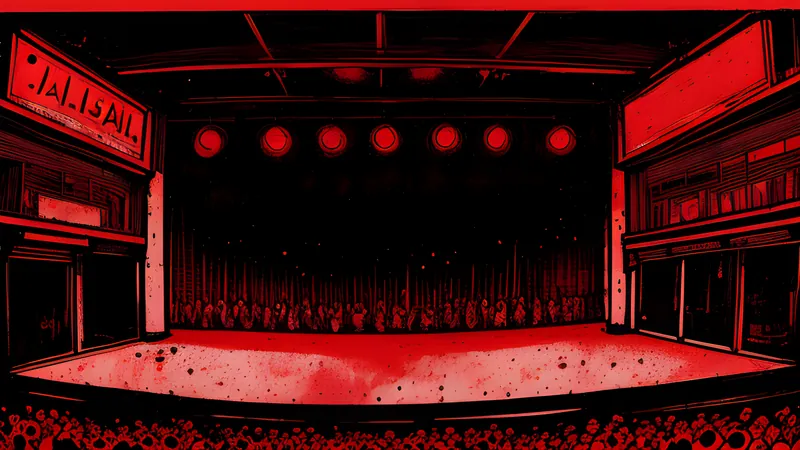
The defining feature of Train, the thing that makes it Train rather than just another large venue, is what happens after the band leaves. The room is a nightclub as much as it is a concert hall, and on many nights the live show is the opening act for the club that follows. The floor clears of the touring gear, the DJ takes over, and the same space that held a metal crowd at nine is a packed dance floor at one. For a chunk of the Aarhus going-out crowd, Train is primarily the club, and the gigs are a bonus.
I have complicated feelings about the model, and I think they are worth laying out. On one hand, the club revenue is what lets a commercial room this size survive without the state subsidy that props up the regional venues. Train is not part of the regionalt spillested network the way Voxhall and Radar are; it lives or dies on the bar and the door, and the late-night club business is a big part of how the sums add up. The disco pays for the stage. That is the deal, and it keeps a large live room open in a city that needs one.
On the other hand, a venue that is half nightclub books like one. The calendar leans towards acts that draw a big, drink-buying, party-minded crowd, and the room’s identity is shaped by the going-out economy as much as by any music-first mission. That is neither good nor bad in the abstract; it just means you read Train’s listings differently than you read a subsidised room’s. When a big loud act plays here it is often because they are big enough to sell the tickets, and the room delivers a proper large-scale show. For the developing and the difficult stuff, you look elsewhere in the city.
Where it sits in the Aarhus map
Aarhus punches above its weight for live music, and part of why is that the city’s rooms divide the labour cleanly. The small clubs incubate. The mid-size regional rooms like Voxhall do the serious listening gigs. And Train takes the big touring names and the big nights out. A healthy scene needs all three tiers, and losing the top one would mean the biggest acts skip the city entirely and play Copenhagen or the summer festivals instead, leaving Aarhus gig-goers to travel for anything arena-adjacent.
That top tier matters more than it looks. When a Danish act gets big enough to graduate from the clubs — the way the country’s biggest loud exports have over the years — Train is often the Aarhus room that can hold their hometown-region crowd. It is the step between the mid-size circuit and the actual arenas, and a city without that step has a hole in its ladder. For touring internationals on the mid-to-large circuit, Train is simply the Aarhus stop, and its position near the harbour and the transport links makes it an easy one to route through.
The summer, as ever, is the great leveller. When NorthSide sets up in June and the outdoor festival soaks up the touring bills and the good weather, the indoor rooms all feel the pull, Train included. But the festival season is short, and for the rest of the year the big indoor night out in Aarhus runs through this address.
The practical bit
Train sits near the harbour end of the city centre, walkable from the central station and the main squares, well served by the transport that funnels the going-out crowd in and out. That location is part of the point: it is easy to get to, easy to leave in the early hours, and surrounded by the bars and food that a big night out needs on either side of the gig.
Go in with the right expectations and Train delivers exactly what it promises. This is not the room for a quiet, attentive listen to a fragile support act — go to a club for that. It is the room for the big show, the loud crowd, the night that keeps going after the house lights would come up somewhere smaller. Pick your show, get to the front early if you want the real thing, and understand that in this building the concert and the party are two halves of the same evening. That doubling is the whole personality of the place, and once you accept it, Train is one of the most reliably fun rooms in Jutland.
A room with some miles on it
Train has been part of the Aarhus going-out furniture for a long time — it is one of those rooms that has outlived several waves of fashion by being big, central and adaptable. Longevity in the venue business is not a given; the graveyard of Danish nightlife is full of rooms that were the hot ticket for three years and then vanished when the crowd moved on. Train survived by never pinning itself to a single scene. Genres rotated through the room, the club nights changed their branding, the sound and the lights got upgraded, and the box on Toldbodgade kept doing its job across all of it.
That durability is worth respecting even if the room is not to your particular taste. A large commercial venue that stays open for decades in a mid-size city has solved a genuinely hard problem — how to keep a thousand-plus-capacity space full often enough to pay for itself, in a country where the state subsidises its rivals. The answer, in Train’s case, was to be more than a concert hall, and the strategy has kept a big live room alive in Aarhus through economic cycles that closed plenty of smaller places. Every time I stand on that floor for a big show I am aware I am standing somewhere that has earned its place by lasting.
Reading the calendar
The trick with a room like this is knowing how to read its listings. Train’s calendar is a mix: big touring internationals on the mid-to-large circuit, homegrown Danish acts who have outgrown the clubs, tribute and legacy shows that pull a paying crowd, and the club nights that fill the gaps. For the loud-music punter, the ones to watch are the touring heavy acts who are too big for Voxhall but not yet arena-sized — that band-shaped sweet spot is exactly what a room this size is built to catch, and Train catches a lot of it as tours route through Jutland.
You learn to spot which nights are gig-first and which are club-first, and you plan accordingly. A gig-first night starts earlier, the crowd is there for the band, and the show gets the room’s full production. A club-first night with a live opener is a different beast, looser and later. Neither is wrong; they are just two products sold under one roof, and a smart punter knows which one they have bought a ticket to before they walk in. Get that reading right and Train rarely disappoints.
The verdict
I have a working rule for Aarhus rooms. If I want to be moved by a band, I am at Voxhall or down in a basement somewhere. If I want the spectacle of a big act in front of a big crowd, with the option of dancing until the trains run again, I am at Train. It knows exactly what it is, it has known for decades, and it does the big-night-out job better than any other room in the city. That clarity of purpose is worth more than a dozen venues trying to be everything at once. Train is the top of the Aarhus ladder, and every scene needs a top rung.
Related Content