Tapperiet: Køge's Small-Town Loud Room
The old bottling hall that keeps the coast heavy
Contents
Forty minutes down the S-train from central Copenhagen, on the coast of Køge Bay, sits a town that most of the capital thinks of as a commuter stop and a nice old market square. Køge also has Tapperiet, and Tapperiet is one of the reasons I keep arguing that the interesting stuff in Danish music does not stop at the edge of the big city. It is a small-town loud room in a former brewery bottling hall, kept alive by volunteers and a stubborn local love of noise, and it has been doing the unglamorous, essential work of a grassroots venue for years. Rooms like this are the capillaries of a scene, and a country’s music is only as healthy as its capillaries.
The bottling hall
The name tells you the history: tapperiet is the bottling or tapping hall, the part of a brewery where the beer was put into bottles, and the venue occupies exactly that kind of repurposed industrial premises. Denmark has a genius for turning defunct industry into cultural space, and a former brewery hall makes a superb music venue — solid walls that hold the sound in, an honest industrial character that suits loud bands, and the faint romance of a building that used to make something turned to making noise instead. You walk into a room like this and the history is part of the atmosphere before the first band even loads in.
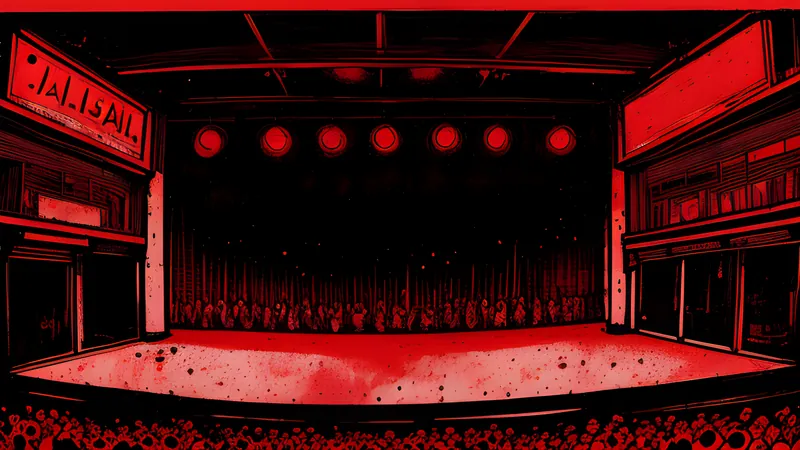
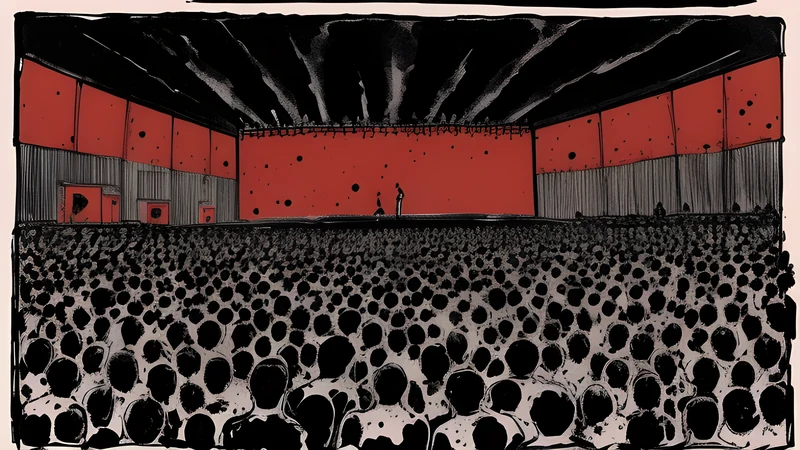
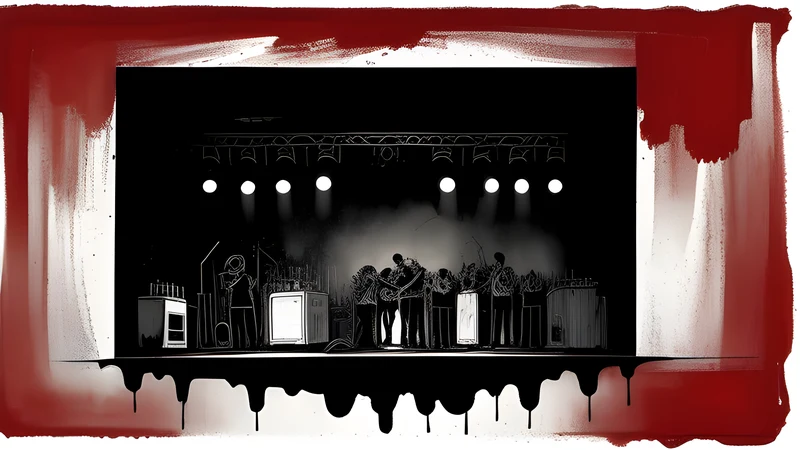
Tapperiet is small, and small is the whole point. This is a few-hundred-capacity room at most, tight and close, the kind of space where a full house is a proper crush and there is no distance between the band and the crowd. For loud music that intimacy is everything. A heavy act in a small hard room is one of the best experiences live music can offer, and the grassroots bottling-hall venue is where you find it in its purest form — no barrier, no vast production, no comfortable remove. You are right there, and so is the band, and the volume fills every corner.
The sound in a room this size is physical. There is nowhere for a big loud band to hide and nowhere for the volume to dissipate, so a tight act sounds enormous and a sloppy one gets found out instantly. That honesty is what small rooms do better than any arena, and it is why the people who really love loud music will always choose a sweaty local hall over a stadium. Tapperiet delivers that experience within easy reach of Copenhagen, which makes it a genuine asset to the whole region rather than just its town.
Kept alive by volunteers
Here is where Tapperiet’s story diverges from the bigger regional rooms, and where it earns a particular kind of respect. Where the flagship venues in the major cities run on substantial public subsidy and professional staff, a grassroots room like this leans heavily on volunteers — the people who love the place enough to run the bar, work the door, humps the gear and book the bands for the love of it rather than a wage. That volunteer model is the backbone of small-town live music across Denmark, and it is both the room’s great strength and its permanent fragility.
The strength is authenticity. A venue run by the people who use it has a soul that no professionally managed room can manufacture. The bookings reflect a genuine local passion rather than a market calculation, the crowd and the staff are often the same people, and the whole place has the feel of a labour of love because that is exactly what it is. When you go to a show at a room like Tapperiet, you are supporting something built and sustained by enthusiasts, and that changes the texture of the night. The fragility is the flip side: volunteer-run rooms live closer to the edge, dependent on the energy of the people who keep them going, and every one that survives a decade is a small triumph of stubbornness over economics.
That grassroots layer complements the state-funded regional-venue network rather than competing with it. The big subsidised rooms handle the serious touring circuit; the volunteer halls like Tapperiet catch everything below and around that — the local bills, the young bands, the DIY tours that would never fill a bigger room. Between them they make sure that live music reaches every corner of the country, from the flagship stages down to the bottling hall in a market town, and the whole ecosystem is stronger for having both tiers.
The DIY circuit
Tapperiet plugs into a wider Danish grassroots and DIY tradition that runs parallel to the official circuit, and understanding that tradition is the key to understanding the room. Denmark has a deep well of self-organised, community-run and volunteer-driven music culture — the same impulse that keeps the little rooms in the capital going, places like Loppen out in Christiania and Stengade up in Nørrebro, and that powers the hardcore and punk underground the length of the country. A small-town room like Tapperiet is a node in that network, a place a DIY tour can play between the big-city dates.
The Danish hardcore and punk scene in particular runs on exactly this kind of infrastructure — the self-booked shows, the volunteer venues, the weekenders organised by fans for fans. Events like the Vanguard hardcore weekend are the concentrated expression of that culture, and the year-round rooms like Tapperiet are its everyday backbone. Without the small volunteer halls, the whole DIY circuit collapses into a handful of big-city shows, and a scene that only exists in the capital is a scene with shallow roots. Tapperiet keeps the roots deep in a part of Zealand the touring industry would otherwise skip entirely.
Growing the next lot
The grassroots room is where bands are born, and that is its most important and least visible function. A young Danish loud band needs somewhere to play its early, ragged shows — somewhere that will book an unknown act, give them a real stage and a real if modest crowd, and let them learn the difference between a rehearsal and a gig. The volunteer halls do that work by the thousand, and Denmark’s remarkable record as a loud-music exporter for its size rests on that foundation as surely as on the famous festivals.
You do not build a national scene from the top down. You build it from rooms like Tapperiet up — from the small halls where a local band plays to sixty people, gets better, plays to a hundred, and either grows into the bigger rooms or bows out having had its shot. Every scene needs those first rungs, and a town that keeps one alive is doing more for the country’s music than its size suggests. When I champion the openers and the unsigned locals, these are the rooms I am championing them in.
Reading the room
A grassroots hall runs on unwritten rules, and part of the pleasure of a place like Tapperiet is watching them work. The crowd polices itself, the pit runs on the rough courtesy that Danish loud shows do so well — genuine force in the churn, genuine care when someone goes down — and the whole night has the loose, self-organised feel of a room where the audience and the organisers are barely distinguishable. Turn up early, buy a drink from the person who will later be running the sound, and you understand the model within about ten minutes. This is community infrastructure that happens to put on gigs.
Where to stand is a question the room answers for you, because there is not much room to choose. Get near the front for a heavy show and you are in it; hang at the back and you are still only a few metres away. The sound is honest for the size — loud, direct, a bottling hall throwing the volume straight back at you — and it flatters a tight band without mercy for a loose one. Dress light because a full night runs hot, and accept that comfort is not the offer. Intensity is.
The fragility, and why it matters
I want to end on the thing that keeps me protective of rooms like this. Grassroots venues live perpetually close to the edge. They depend on the energy of volunteers who eventually burn out, on local goodwill, on crowds turning up often enough to keep the lights on, and on a landlord or a council that values a music hall over whatever else the building could become. Every volunteer-run room is one bad year or one lost lease away from disappearing, and when one goes, it almost never comes back. The small halls are the most vulnerable part of the whole ecosystem and the hardest to replace.
That fragility is precisely why they deserve active support rather than sentimental admiration from a distance. A scene that lets its grassroots rooms die is a scene sawing off the branch it grew from, because the big rooms and the festivals all feed on bands and crowds that the small halls created. Tapperiet has survived by the stubbornness of the people who love it, and the best thing a punter can do is give that stubbornness something to work with by actually showing up. A ticket to a small-town gig is a vote for the whole structure of live music, cast in the place it matters most.
Practicalities and the pitch
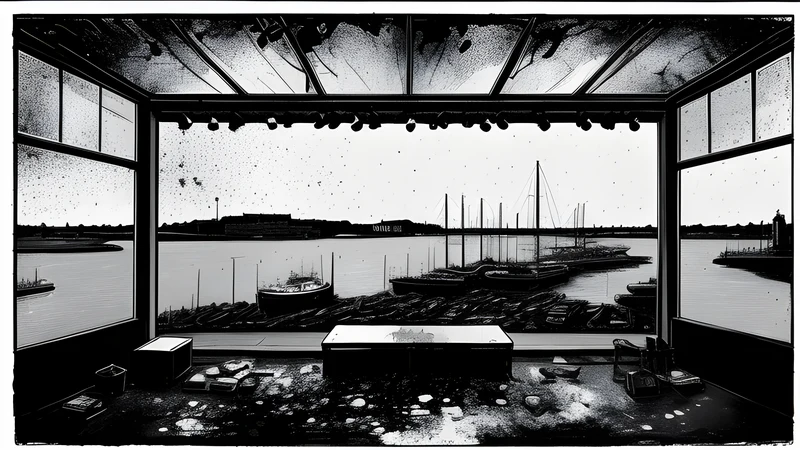
Getting to Tapperiet is easy from Copenhagen — Køge is on the S-train network, a direct ride of well under an hour from the city centre, and the venue is within walking distance in a compact town whose old square and harbour make the trip a pleasant one in daylight. That connectivity is Tapperiet’s secret weapon: it is close enough to the capital that a Copenhagen punter can treat a Køge show as an easy evening out, which means the room can pull a crowd from well beyond its small-town catchment when the bill is right.
The pitch for Tapperiet is the pitch for grassroots music everywhere. It is small, it is loud, it is run on love and volunteer hours, and it delivers the kind of close, intense, unpolished gig that the big rooms structurally cannot. Support it when you can, because rooms like this survive on the crowds who bother to show up, and every one that closes leaves a hole in the map that rarely gets filled. Next time the listings throw up something heavy in a former bottling hall on Køge Bay, get on the S-train and go. The best nights in Danish music are often the ones in the smallest rooms, and Tapperiet is one of the good ones.
Related Content