Store Vega vs Lille Vega: Two Rooms, One Building
How a 1950s workers' palace became Copenhagen's best two-in-one venue
Contents
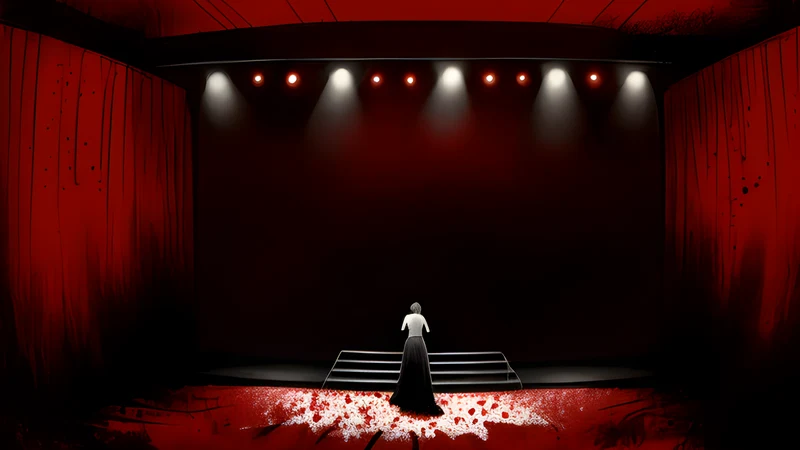
Most venues are one room with one personality. VEGA is two rooms with two personalities, stacked inside a single listed building in Vesterbro, and the choice of which room a band plays tells you almost everything about where they are in their career and what kind of night you are about to have. Learning to read the difference between Store Vega and Lille Vega is one of the first things a Copenhagen gig-goer works out, and it is worth explaining properly, because the building itself is a masterpiece that most punters walk past without registering.
Start with the architecture, because it is the whole foundation. VEGA lives inside the old Folkets Hus — the People’s House — built in 1956 as a headquarters and cultural centre for the Copenhagen labour movement. It was designed by Vilhelm Lauritzen, one of the great Danish modernist architects, and it is a functionalist landmark: teak, brass, terrazzo, sweeping staircases, original 1950s light fittings, all of it preserved and protected. Walking into VEGA is walking into a piece of Danish design history that happens to have a PA in it. The furniture and detailing you pass on the way to the bar are the real thing, not a retro pastiche, and the building is listed precisely because so much of the original interior survives.
A workers’ palace with a second life
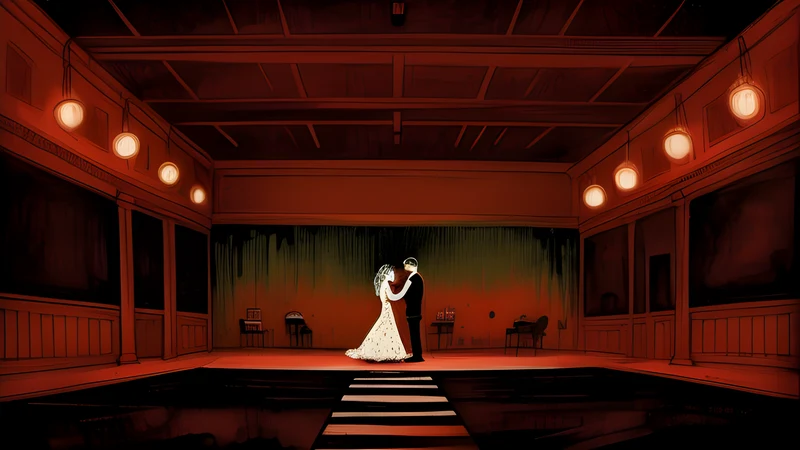
The Folkets Hus was built to a purpose that shapes the venue to this day. In the 1950s the Danish labour movement was a genuine cultural force, and a People’s House was meant to be everything at once: meeting hall, dance hall, ballroom, canteen, a place where working Copenhageners could gather with a dignity the rest of the city did not always afford them. Vilhelm Lauritzen designed it with that seriousness in mind, which is why the materials are so good and the spaces so generous. The teak and brass were a statement that ordinary people deserved a beautiful room to gather in.
By the 1980s the labour movement’s cultural centres were fading and the building fell quiet. It reopened as VEGA in 1996, restored and repurposed as a live-music venue, and the restoration was done with unusual respect for the original design. The result is a venue that carries its history openly. When you dance on the sprung floor of Store Vega you are dancing on the same boards that hosted union balls seventy years ago, and the building’s second life as a temple of loud music sits comfortably on top of its first life as a temple of solidarity. Over the years VEGA has been repeatedly recognised in international polls of the world’s best concert venues, and the people who vote in those polls are usually responding to exactly this: a room where the architecture, the sound and the history all pull in the same direction.
Store Vega: the big room that still sounds like a room
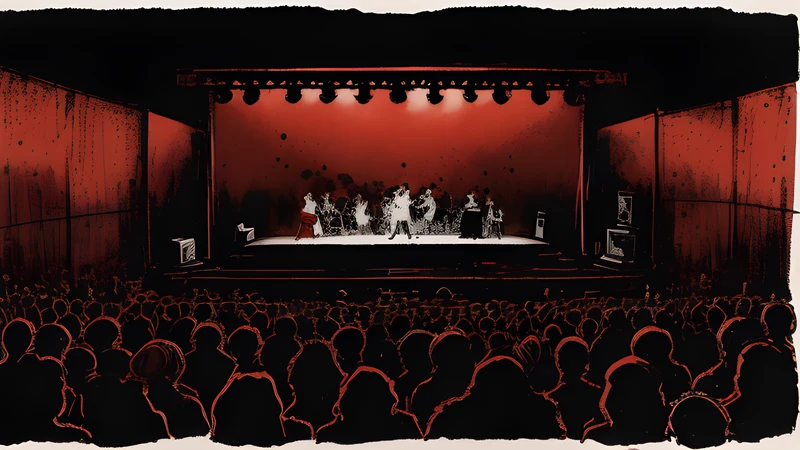
Store Vega, the main hall, holds around 1,550 and is regularly named among the best-sounding rooms of its size anywhere. That reputation is earned. The hall has a sprung wooden floor — a genuine dance floor from its Folkets Hus days — that gives the whole space a slight, pleasing give underfoot when a big crowd starts moving. There are balconies on two levels wrapping the room, so you can go up for a clear elevated view or stay on the floor for the push. The stage is high and wide, the sightlines are generous even at capacity, and the sound is famously clean and powerful at the same time.
What makes Store Vega special is that it does not feel like an arena scaled down. It feels like a big club scaled up. Fifteen hundred people is a lot, and plenty of rooms that size are cold, cavernous and impersonal, the sound arriving late and smeared from a stage half a football pitch away. Store Vega keeps you close. The proportions and the balconies fold the crowd in around the band, so even a sold-out night has intimacy. For a serious touring act — the tier above Pumpehuset but below the Royal Arena — this is the best room in the city, and it is a genuine step up in a band’s career to headline it. If you want the deep dive on why the main hall sounds the way it does, I have written about that reputation for sound separately; here the point is the contrast with its little sibling.
Lille Vega: the room where careers get made
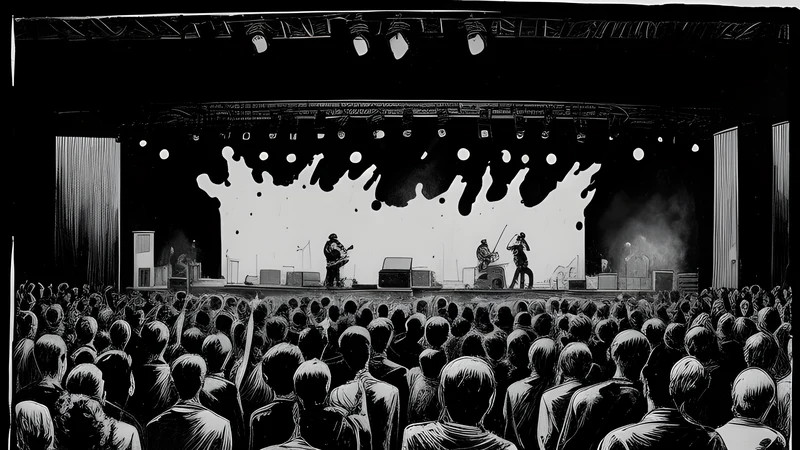
Go up the stairs to Lille Vega and you are in a different world. Around 500 capacity, low ceiling, a proper club shape, and an intensity that Store Vega, for all its virtues, cannot match. This is where bands play before they graduate downstairs, and where the ones who never quite break big keep playing to their devoted 500. The smaller room concentrates everything — the volume, the heat, the crowd — into a space where you cannot hide and neither can the band.
Lille Vega is my favourite of the two, and I suspect it is most regulars’ favourite too, because the mid-size club is where live music lives at its best. Big enough to draw a real touring bill, small enough that the front rows sweat on the monitors. The sound up here is still excellent — VEGA holds the small room to the same standard — but the experience is rawer and closer. A loud band in Lille Vega is a physical event. When it sells out and the low ceiling traps the heat and the crowd surges, it delivers the kind of night that makes you understand why people organise their whole lives around gigs.
The career logic is clean and a little brutal. A band on the way up plays Lille Vega, and if they sell it out twice they get offered Store Vega. Some make the jump and fill the big room with ease. Others get there and you can feel them straining to hold a crowd three times the size, the songs suddenly sounding thin in all that space. Watching a band move from the small room to the big one, across a couple of years, is one of the quiet pleasures of following a scene closely. VEGA lets you watch it happen inside a single building.
The third room, and how to choose
There is technically a third VEGA space, the Ideal Bar on the ground floor, a roughly 250-capacity club room for the smallest gigs and the late club nights. It deserves its own account, which it has, but it completes the picture: VEGA is a full career ladder under one roof, from a 250-cap club floor up to a 1,550-cap hall, and a band can theoretically spend its entire life climbing the stairs of the same building.
So which room do you want? It depends entirely on what you are there for. If the band is a big, polished touring act with a proper show — lights, production, songs built to fill space — Store Vega is the correct room and the sound will reward you. Go up to the balcony if you value a clean view and a moment to breathe; stay on the sprung floor down the front if you want the crowd. If the band is loud, hungry, on the way up, or the kind of act whose whole point is intensity, pray they are booked into Lille Vega, because the small room will multiply everything that makes them good.
Reading a band by its room
Once you internalise the two-room logic, the VEGA listings become a map of the whole scene’s health. A wave of bands you love suddenly appearing in Lille Vega tells you a genre is on the rise in the city. A veteran act dropping from Store Vega back down to the small room tells you their moment has cooled, though a great band can make that demotion into a triumph, playing to 500 diehards with nothing to prove. And a young Danish act you first caught opening in a back room finally headlining Lille Vega on their own name is one of the most satisfying sights a regular gets, because you watched the climb. I have spent years being an evangelist for the openers and the unsigned, and VEGA is where you get to see whether the bands you championed can carry a proper crowd.
The building rewards loyalty in a way single-room venues cannot. Because every tier lives under one roof, following a band up the ladder means returning to the same staircase, the same terrazzo, the same brass lamps, watching the act you believed in occupy a bigger and bigger piece of the building you already know by heart. That continuity is rare and it is precious. Very few cities have a venue that lets you trace an entire career from the ground-floor club to the main hall without ever leaving the block.
Practical business
VEGA is in Vesterbro on Enghavevej, an easy walk or short bus ride from the central stations and the Meatpacking District, so pre-gig food and drink options are endless. Arrive with time to actually look at the building — the staircase, the original lamps, the terrazzo — because most people rush past a genuine piece of Danish modernism to get to the bar. The cloakroom is essential in winter, both rooms run hot, and both fill from the front, so the usual rule applies: early for the barrier, late and high for the view.
One thing the two-room setup means in practice is that VEGA often runs concurrent shows, a big act in Store Vega and a smaller one upstairs on the same night, which makes the building buzz in a way single-room venues never do. You can feel the whole place working. It is the closest thing Copenhagen has to a permanent, indoor, year-round festival site, and it sits a long way up the same ladder that starts in the tiny sweatboxes like Loppen and runs all the way to the harbour stages of Copenhell each June.
The short version, for anyone still deciding: if you can only learn one thing about VEGA, learn that the room the band is booked into is the review before the show even starts. Lille Vega means hungry and close. Store Vega means arrived and expansive. Both are excellent. Knowing which you are walking into is how you turn up with the right expectations, and turning up with the right expectations is most of what separates a good night from a disappointed one.
Related Content