Rust: The Nørrebro Club That Keeps Booking the Weird
Thirty-odd years of chancing it in the back streets of Nørrebro
Contents
Every good city needs a club that will take a chance on the band nobody else understands yet. In Copenhagen, for over thirty years, that club has been Rust — a multi-floor room tucked into Guldbergsgade in the heart of Nørrebro, running live gigs and club nights out of the same building since 1989. It is not the biggest room in the city or the best-sounding, and it does not pretend to be. What Rust does, better than almost anywhere else in Copenhagen, is book the awkward, the emerging and the frankly weird, and it has been doing it long enough that the risk-taking is its whole identity.
Nørrebro is the right neighbourhood for this. It is the dense, diverse, restless quarter of the city, historically working-class and immigrant, more recently the front line of Copenhagen’s arguments with itself about gentrification and change. The music that comes out of Nørrebro tends to be sharper and stranger than the polished stuff downtown, and Rust has spent three decades acting as the neighbourhood’s clubhouse for it. When people talk about Copenhagen having an underground, a lot of what they mean is a handful of Nørrebro rooms, and Rust is the one that has lasted longest while staying genuinely unpredictable.
Thirty years of holding the line
Nineteen eighty-nine is a long time ago in venue years. Clubs of Rust’s size have a brutal mortality rate — a couple of bad seasons, a rent hike, a licensing dispute, and they are gone — and the fact that Rust has run continuously since the tail end of the eighties makes it one of the genuine survivors of Copenhagen nightlife. It opened as the city was shaking off a grey, buttoned-up decade and a new generation was demanding somewhere to hear music that the establishment rooms would not programme. It answered that demand and then simply kept answering it, adapting its bookings as the sounds changed — through the indie years, the hip-hop years, the electronic waves — without ever losing the core instinct to chase the new.
Longevity like that changes what a venue means to a neighbourhood. For a lot of Copenhageners now in their thirties and forties, Rust is where they saw their first proper gig, or spent their first real nights out, and that generational memory is a kind of capital no new venue can buy. A room becomes an institution when parents and their grown children both have stories about the same dance floor. Rust has crossed that line, and it has done it while staying scruffy and current rather than coasting on nostalgia, which is the harder and rarer trick.
A building that does two jobs
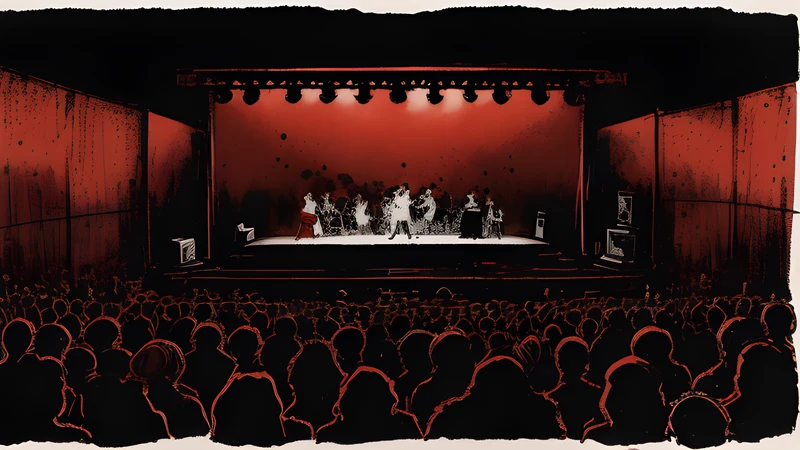
The physical setup is the key to understanding Rust, because it is really two venues sharing an address. There is the live concert room, an intimate space of around 220 capacity where the gigs happen, and there is the club, spread across multiple floors, that takes over on Friday and Saturday nights and turns the building into a dance floor running from techno to hip-hop to house. On a typical weekend the two functions dovetail: a live concert early in the evening, and then, as the last chord fades, the whole place transforms into a nightclub and a different crowd pours in.
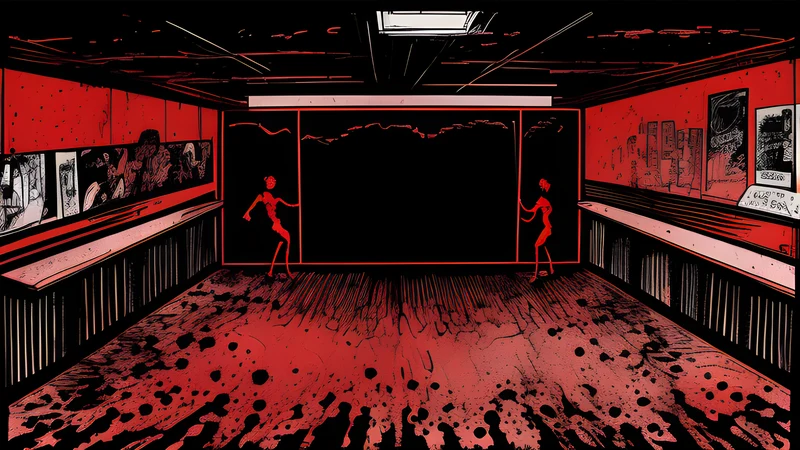
That dual identity gives Rust an energy that pure concert halls lack. It is a proper club, in the full sense — a place you go to see a band and then stay to dance, or a place you go to dance and stumble into a band you had never heard of. The building wears its hard use openly. It is dark, it is worn, the multi-level layout means you are forever climbing stairs between the bar and the floor and the stage, and the whole thing sweats when it fills. For the kind of music Rust books, that roughness is the correct setting.
The booking is the point
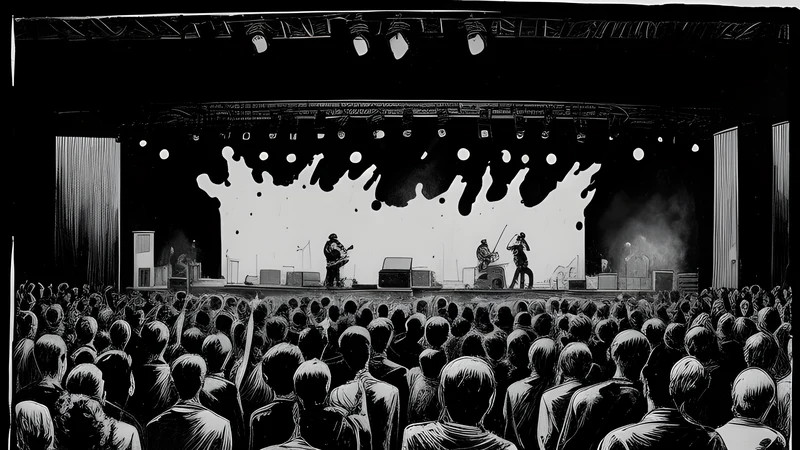
The live programme is where Rust earns its reputation and my loyalty. The stage primarily runs indie rock, indie pop, hip-hop and electronica, but the operative word in the venue’s whole history is range. Rust books left-of-centre acts that the bigger, more commercial rooms will not touch until they are safely established, which means it is one of the best places in Copenhagen to catch a band a year or two before everyone else does. The through line is a taste for the new and the slightly difficult, and a willingness to put an untested act on a proper stage in front of a curious crowd.
This is a scene-builder’s function, and it is undervalued. Anyone can book a sold-out headliner. It takes conviction, and a tolerance for the occasional half-empty room, to keep putting the strange emerging act on stage on a Wednesday and trusting that the interesting ones will draw a crowd eventually. Rust has that conviction, and the Nørrebro audience rewards it — this is a neighbourhood full of people who actively want to discover something, who read the listings for names they do not recognise rather than names they do. I count myself firmly among them. The best nights I have had at Rust were bands I walked in knowing nothing about and walked out evangelising.
That instinct for the emerging puts Rust in the same lineage as the other small Copenhagen rooms that live or die by their booking — Loppen over in Christiania, Stengade a few streets away in Nørrebro — the rooms where the city’s next wave gets its first real stage. Rust’s particular corner of that world leans more toward indie, hip-hop and electronic than the loud guitar music I usually chase, and that breadth is exactly the point. A city needs its metal sweatboxes and it needs its weird-indie clubs, and the healthiest scenes are the ones where both exist within a few streets of each other.
Where it sits in the neighbourhood
Rust sits inside a wider Nørrebro music ecology that includes the surrounding bars, the record shops, and the enormous annual eruption of Distortion, the street festival that takes over the neighbourhood’s roads each summer and turns the whole district into one sprawling party. Rooms like Rust are what keep that energy alive the other fifty-one weeks of the year, the permanent infrastructure under the temporary chaos. When Distortion floods Nørrebro with sound systems for a few days, it is drawing on a musical identity that venues like Rust have spent decades building night by night.
The club side of Rust matters here too. Copenhagen’s nightlife has its glossy, expensive, bottle-service end, and Rust has always sat at the opposite pole — unpretentious, music-first, priced for actual young people rather than tourists on expense accounts. The multi-floor club with its shifting genres has been a fixture of Nørrebro weekends for a generation, the kind of place where you end up at three in the morning having no memory of deciding to go, dancing to something you cannot name. That is a specific and valuable thing for a city to have, and it is getting rarer as rents rise and the pressure to be profitable squeezes out the rooms that run on love rather than margin.
The crowd, and the manners of a mixed room
The Rust crowd is one of the most mixed in the city, precisely because the building does two jobs and books so widely. On a given night you might have a room of attentive indie fans standing quietly through a delicate set, and two hours later the same floor is a heaving hip-hop club with a completely different demographic. That range is a feature, and it keeps the place feeling alive and unpredictable in a way that single-genre rooms never quite manage. It also asks a certain generosity of the audience — you learn to share the space with people who came for something other than what you came for, and the good Rust nights are the ones where that mix generates friction of the productive kind.
The etiquette here is club etiquette rather than mosh-pit etiquette. There is dancing rather than a circle pit, so the physical rules are gentler, but the underlying principle is the same one that governs any good floor: read the room, mind the people around you, and let the energy build honestly. Rust has always trusted its crowd to self-regulate, and for the most part the crowd has justified the trust. It is an unpretentious, up-for-it audience that came to have a genuine night rather than to be seen having one, and that makes all the difference to the atmosphere.
Practical business
Getting there is simple: Rust is in central Nørrebro on Guldbergsgade, walkable from the lakes and well served by buses and the Nørrebro metro and S-train stations, in an area thick with pre-gig food from every corner of the world. Nørrebro is where you eat well and cheaply before a show, so build in time for that.
A few tactical notes for the room itself. The live space is small, so there is no bad spot in terms of distance, but the multi-level layout and the pillars mean sightlines vary; get in early to claim a clear angle if the band matters to you. The building runs hot once it fills, especially on a weekend when the gig rolls straight into the club, so travel light and use the cloakroom. And go in with an open mind, because the whole ethos of the place is discovery. If you turn up at Rust wanting to hear exactly what you already know, you have misunderstood the venue. Turn up wanting to be surprised, and it will oblige more often than any room its size in the city.
The unglamorous truth about scenes is that they are built by rooms like this — small, stubborn, financially precarious clubs that keep saying yes to the untested band. The festivals and the big halls get the headlines, but the actual discovery, the finding of the next thing, happens in places like Rust on a quiet Tuesday. Thirty-odd years in, it is still saying yes, and Copenhagen is a more interesting music city for it.
Related Content