Radar: Aarhus's Concrete Basement
The Godsbanen room where the loud stuff lives
Contents
Some rooms flatter a band and some rooms test it. Radar is a test. It is the raw concrete space tucked into Godsbanen — Aarhus’s old railway goods yard, now a sprawling centre for creative production — and it is where the loud, the strange and the uncompromising end up when they come through the city. If Voxhall is the flagship and Train is the big night out, Radar is the room down the industrial back way where the metal, the hardcore and the experimental noise actually feel at home.
The room
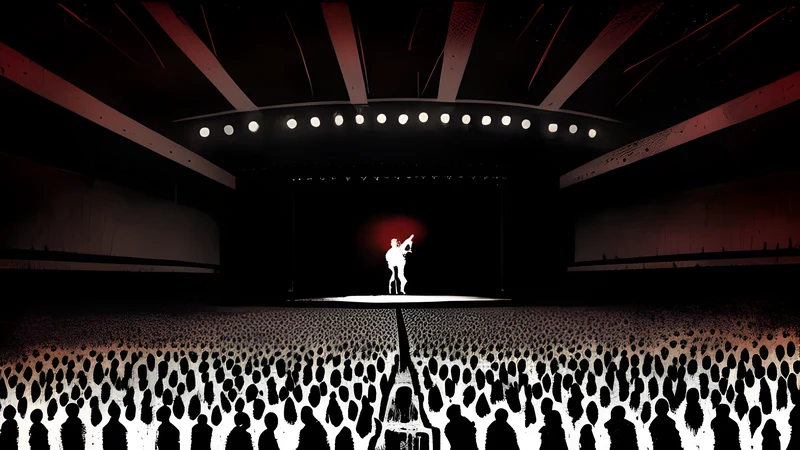
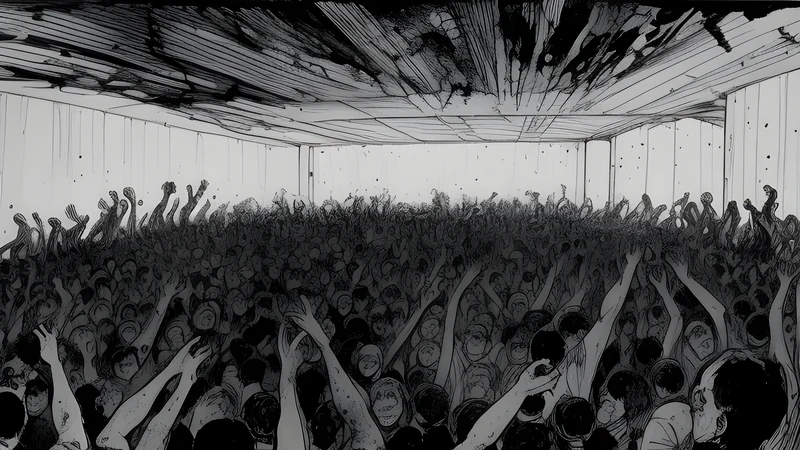
Radar is built into the fabric of a former freight station, and it wears its industrial bones with pride. Bare concrete, exposed services overhead, the hard unforgiving surfaces of a building that was made to move goods rather than coddle audiences. Capacity runs to a few hundred — a proper mid-small room, big enough for a touring underground act and their crowd, tight enough that there is no comfortable distance between you and the stage. You stand on a concrete floor, you sweat, and the room throws the sound straight back at you.
That hardness is the whole point, and it is a genuine acoustic character rather than a fault to apologise for. A concrete box is a brutal environment for sound — reflective, live, unforgiving of a sloppy mix — and a room like this rewards a band that can actually play and punishes one that cannot. When a tight, heavy act locks in here, the whole space rings like a bell and the volume becomes a physical thing pressing on your chest. When a loose band plays, the room exposes every ragged edge. I have always liked venues that keep bands honest, and Radar keeps them very honest.
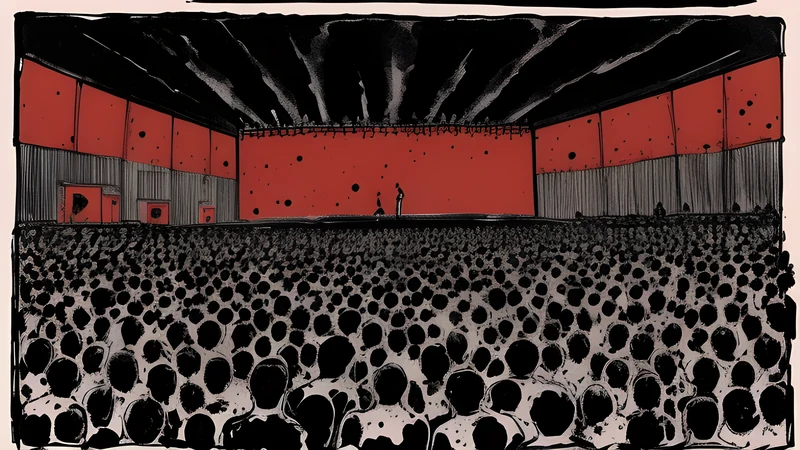
The sightlines are democratic in the way small industrial rooms tend to be: no seats, no tiers, everyone on the same flat floor, so where you stand is entirely down to how early you arrive and how much you want to be in the churn. Get to the front for a hardcore show and you are part of the pit whether you planned to be or not. Hang back and you can watch the whole room move. Either way you are close, and closeness is the currency this kind of room deals in.
Godsbanen — the building around it
You cannot understand Radar without understanding Godsbanen, the larger complex it lives inside. The old goods station was converted into a centre for cultural and creative production — workshops, studios, maker spaces, a DIY ethos baked into the concrete — and it hums with the kind of low-budget creative energy that makes a city interesting. Radar is the live-music node in that ecosystem, and being embedded in a working creative complex gives it a texture that a standalone club never has. The people at the show are often the people making things in the building the rest of the week.
That context shapes the crowd and the booking. Godsbanen attracts artists, students, makers and the broadly alternative, and Radar’s audience is drawn from exactly that pool. It is a room comfortable with the difficult and the underground because the whole building is. A gig here feels connected to something larger — a scene, a way of doing things, a corner of Aarhus that values the raw and the self-made. For a punter that means the room has a genuine identity, and the nights have a coherence that comes from a crowd who know why they are there.
A regional venue with a heavy accent
Radar is one of Aarhus’s designated regional venues — a regionalt spillested, part of the same state-and-municipal funding network that supports Voxhall across town. The two rooms divide the labour rather than compete: Voxhall takes the broad mid-size touring circuit, and Radar leans into the heavier, the more experimental and the more underground. Having the public subsidy behind it is exactly why Radar can book a challenging noise act or an unproven hardcore bill and not need it to sell out to justify the night.
That is the regional-venue model doing precisely what it is meant to do. In a purely commercial world, the difficult and the loud rarely pay their own way in a mid-size city, and a room dedicated to them would fold inside a year. Denmark’s decision to fund a network of venues with a development brief means Radar can platform the stuff the market would ignore — and the country’s music culture is richer for it. When you stand in that concrete box watching a band that would never draw a crowd big enough to interest a commercial promoter, you are looking at cultural policy made physical.
The booking runs to the loud and the left-field: metal and its many subgenres, hardcore and punk, post-metal, drone, industrial, the electronic music that likes a hard room, and the experimental fringe that needs a stage without a suit deciding it is too weird. It is one of the most reliable rooms in Jutland for the heavy underground, the place a touring doom band or a European hardcore act plays when they route through Aarhus.
The scene it feeds
A room like Radar is a piece of infrastructure that a local scene grows around, doing far more than hosting bands. Aarhus has a deep and stubborn heavy-music lineage — the city has been turning out death metal for decades, with veterans like Illdisposed holding the line, and newer, more adventurous acts like the long-form black metal of Orm extending it. Rooms like this are where that lineage stays alive between the headline shows: local supports, all-Danish bills, the gigs where a new band plays to sixty people who actually care.
That is the unglamorous, essential work of an underground venue. It gives the local heavy bands a real stage, a real PA and a real crowd to learn on, and it connects them to the touring circuit when a bigger underground name comes through and needs an opener. The health of a scene can be measured by the health of its second-tier rooms, and Radar is one of the reasons Aarhus keeps producing loud bands worth caring about. Denmark’s outsized loud-music export record does not happen without concrete rooms like this one doing the incubating.
The pit and the etiquette
A concrete room with no barrier and a hardcore booking policy runs on unwritten rules, and Radar is a good place to see them working. The pit here is real but rarely nasty — Danish crowds tend towards a rough courtesy, throwing themselves around with genuine force while still hauling a fallen stranger back to their feet before the next riff lands. That combination of violence and care is the thing outsiders never quite believe about the northern European hardcore floor until they stand in it. You give as good as you get, you look after the person next to you, and the whole churning mass polices itself without a single high-vis steward involved.
Newcomers should read the room before diving in. A drone or post-metal show will be a still, heads-down, immersive affair where the crowd stands and lets the volume wash over them, and barrelling into people is bad manners. A hardcore or thrash bill is an invitation to move, and standing rigid at the front is its own kind of rudeness. The concrete throws heat and sound back at you either way, so pace yourself, keep water within reach, and understand that a room this hard is a physical experience as much as a musical one. Half the point of Radar is what your body does in it.
Why the hard rooms matter
I will make the broader case plainly, because it is the case for every venue like this. The polished, comfortable, well-lit rooms get the coverage and the awards, and they deserve them. But a music culture that only has polished rooms slowly loses its edge, because the edge is forged in the uncomfortable ones. The concrete basement is where a band finds out whether it means it, where a scene tests its own limits, where the difficult and the ugly and the genuinely new get a stage before they are safe enough for anywhere nicer. Radar is Aarhus’s version of that essential rough room, and every city that has one is lucky.
It is also, frankly, where the fun is for a certain kind of gig-goer. There is a joy in a hard, loud, sweaty room that no amount of good sightlines and craft beer can replicate — the joy of being fully in it, close enough to see the guitarist’s knuckles, loud enough that thought stops and only the noise remains. That is what I go to loud shows for in the first place, and Radar delivers it more reliably than almost any room in Jutland. The building was made to move freight; these days it moves crowds, and it does the job with the same unsentimental efficiency.
Practicalities
Godsbanen sits just behind the central station, a short walk from the middle of Aarhus, so getting to Radar is easy despite the room feeling like it is down an industrial back route. The complex is well signposted and the whole area has been folded into the city’s creative map, so you will not get lost finding it. Dress for a concrete room — it can run hot in the crush and cold when it is empty — and go in expecting rawness rather than comfort.
That rawness is the appeal, and it is why I keep coming back whenever I am home in Aarhus and the listings throw up something heavy. Radar is the room for the gig that has more sweat than polish, the one where the band and the crowd meet on a hard floor and make something happen. Every good music city needs a concrete basement where the loud stuff can be as loud and as strange as it wants. Aarhus has one of the best, and it is the beating heart of the city’s underground.
Related Content