Mastodon: The Riff Machine That Grew Melancholy
How an Atlanta four-piece turned grief and sludge into progressive metal's grandest arc
Contents
Mastodon began life as a riff machine, four men from Atlanta who seemed to exist purely to generate the heaviest, most complicated guitar parts they could physically play. Over twenty-five years they became something far stranger and more valuable: metal’s great storytellers, a band who wrapped concept albums about whales and Russian mystics and personal grief in music of enormous ambition. The journey from brutal sludge outfit to Grammy-winning progressive institution is one of the most interesting arcs in modern heavy music, and 2025 gave it a genuinely tragic coda.
Four voices, one animal
The band formed in Atlanta in 2000, and the line-up that made them was fixed for the whole of their major career: Brann Dailor, one of the most distinctive drummers alive, who also sings; Troy Sanders on bass and vocals; Bill Kelliher and Brent Hinds on guitars, both of whom also sang. Four members who can all carry a lead vocal is a rare and powerful thing, and Mastodon built much of their identity on it, trading and layering voices in a way most heavy bands, with their single dedicated screamer, simply cannot.
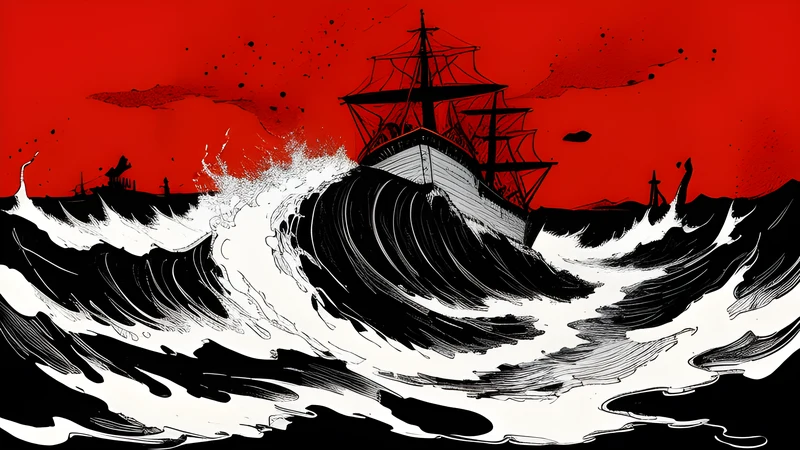
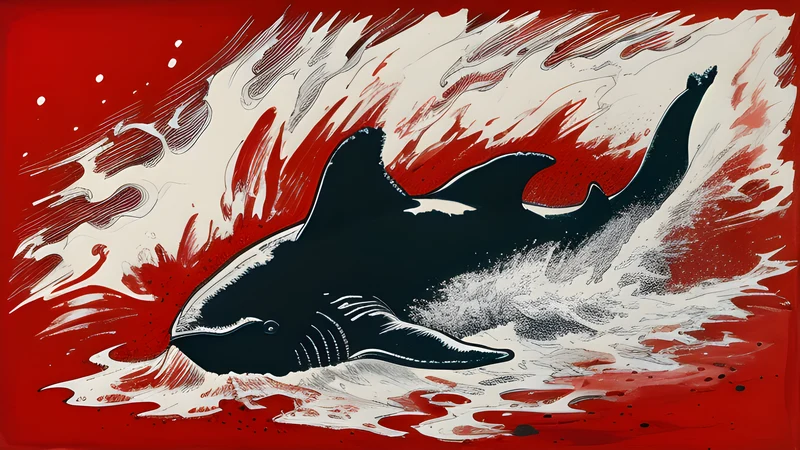
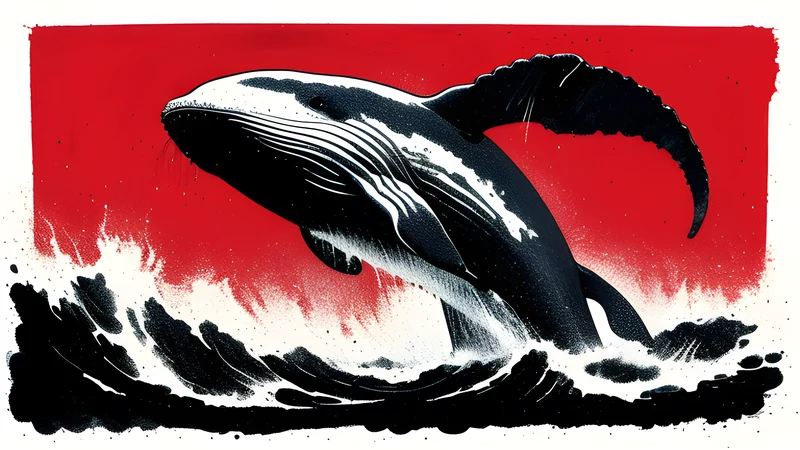
Their early records were monstrous. Remission in 2002 established the sound — dense, technical, punishingly heavy Southern sludge with a prog band’s harmonic ambition hiding inside it. Then came 2004’s Leviathan, a concept album based on Moby-Dick, and the band’s first masterpiece. It matched the density of the debut to a genuine narrative sweep, and songs like “Blood and Thunder” became the anchors of the live set for the next two decades. A metal band writing an album about Melville’s whale should have been ridiculous; instead it was one of the defining records of its decade.
The prog turn, and the grief underneath
The pivotal record is 2009’s Crack the Skye, and it is where the melancholy in the title of this piece properly enters. The album is a dense, mystical concept record involving astral travel, Tsarist Russia and Rasputin, but underneath the fantasy lies something rawer. Dailor wrote it partly in memory of his sister Skye, who died by suicide as a teenager, and the album is named for her. That personal grief gave the record its emotional weight and pushed the band decisively toward the progressive, layered, melodic sound that would define their second act. Crack the Skye is the moment the riff machine grew a heart.
From there Mastodon spent a decade balancing heaviness against melody, ambition against accessibility. The Hunter in 2011, written in the wake of Brent Hinds’s brother’s death, was looser and more song-focused. Once More ‘Round the Sun in 2014 pushed further toward hooks. Then 2017’s Emperor of Sand returned to the concept-album form with its most devastating subject yet: a meditation on cancer and mortality, written after several people close to the band received diagnoses. It won them a Grammy for the song “Sultan’s Curse” and confirmed that the band’s real subject had become mortality itself, dressed in fantasy but felt for real.
Where they sit
Mastodon opened a door that a whole generation of heavy bands walked through, the door marked “you can be this heavy and this ambitious at the same time”. Their nearest kin are the bands who share that blend of weight and melodic reach: Georgia neighbours Baroness, with their more overtly melodic take on progressive sludge, and the whole psychedelic-heavy world that orbits festivals like Desertfest. They also carry an obvious debt to the tradition of the extended, riff-worshipping epic that bands like Sleep took to its most extreme conclusion, though Mastodon channelled that love of the monolithic riff into songs rather than single hour-long tracks.
What makes them singular is the storytelling. Metal is full of technically brilliant bands; very few of them can hold a narrative across an entire album and make you care about it. Mastodon can, and they do it while playing guitar parts that would defeat most of their peers. Brann Dailor’s drumming deserves its own paragraph — busy, melodic, constantly commenting on the music rather than merely keeping time, and topped with a lead vocal on some of their most beloved songs. He is the closest thing modern metal has to a drummer-frontman, and he holds the band’s whole ambition together from behind the kit.
The 2025 coda
The story took a hard turn in 2025. Brent Hinds, the band’s wild, blues-soaked, unpredictable guitarist, left Mastodon in March after twenty-five years, the split announced with the careful language that usually signals a difficult parting. Then in August 2025 Hinds died in a motorcycle accident in Atlanta, at the age of fifty-one. His departure and death within months of each other closed the classic era of the band with real sorrow, and turned every one of those songs about mortality into something heavier than the band could have intended when they wrote them.
Hinds was central to what made Mastodon great — his lead playing was the wild, unpredictable element balancing the band’s precision, and his voice was one of the four that gave their harmonies such depth. Whatever the band become without him, the body of work built by that original four-piece stands complete: a run of albums from Remission to Hushed and Grim that took metal somewhere it had rarely gone, and made the case that heaviness and heartbreak belong together.
The awards eventually caught up with the ambition. Emperor of Sand earned the band a Grammy for the song “Sultan’s Curse” in 2018, formal recognition for a group that had spent nearly two decades making difficult, rewarding heavy music entirely on its own terms. What made the achievement rarer still was the stability behind it: the same four musicians who founded the band in Atlanta made every one of those records together, an almost unheard-of run of continuity in a genre notorious for chewing through line-ups. That shared history is exactly why the closing of the classic era carries the emotional weight it does, and why the body of work those four built together stands as a complete and singular achievement.
The colour of the elements
There is a hidden architecture to Mastodon’s early run that rewards anyone who notices it. The first four major albums were loosely built around the classical elements, giving the band’s imperial period a conceptual through-line beneath the individual records. Remission took fire as its theme, Leviathan took water through its Melville obsession, Blood Mountain took earth with its mountain-climbing quest narrative, and Crack the Skye took aether, the fifth element, reaching into space and the astral plane. Whether or not the scheme was fully planned from the start, it gave those albums a sense of design, a feeling that Mastodon were building something larger than a collection of songs.
That conceptual ambition was matched by a strong visual identity, from the intricate album artwork to the elaborate carved sculptures of AJ Fosik that adorned their stages and covers. Mastodon always presented as a band who thought about the whole package — the narrative, the imagery, the artwork — as an integrated artistic statement, which set them apart from peers content to slap a logo on a black background. The care shows, and it is a large part of why the records reward the deep, repeated engagement that most metal never earns.
Beyond the metal world
Mastodon’s cultural reach extended well past the metal audience, another sign of a band operating on a bigger canvas than their genre usually allows. They contributed music to films and television, wrote the deranged closing song for the Aqua Teen Hunger Force movie, and even appeared on screen in Game of Thrones as wildlings in a battle sequence, having already contributed a song to the show’s world. These are the kinds of crossover moments that only happen to bands who have broken through into the wider culture, and they reflect Mastodon’s rare status as a metal band the mainstream took seriously.
Individually the members became respected figures across music. Brann Dailor’s drumming turned him into one of the most admired players in any genre, sought after and studied; Bill Kelliher and Troy Sanders built reputations as craftsmen and collaborators. The band toured relentlessly across the world for two decades, a fixture of the major festival circuit and a reliable arena-level draw, and they did it while continuing to make records that pushed at their own boundaries rather than settling into a formula. That combination of ambition, craft and cultural reach is what makes the loss of Brent Hinds, and the closing of the classic line-up, land as heavily as it does.
The lasting shape
Look at the whole arc and the title makes sense. Mastodon started as the loudest, most complicated riff band in Atlanta and ended up as the genre’s great chroniclers of loss, a group whose real subject turned out to be death all along, threaded through albums nominally about whales and mystics and deserts. The melancholy was always in there, waiting, and each record drew it a little closer to the surface until it became the point.
That is a rare trajectory in any art form and almost unheard of in metal, where bands tend to arrive fully formed and then repeat themselves. Mastodon grew, publicly, across twenty-five years, turning grief into ambition and ambition into some of the most rewarding heavy music ever recorded. The riff machine learned to mourn, and that is what made it great.
Related Content