Jelling Musikfestival: The Field of Nostalgia
A charity festival in the shadow of the rune stones, where Denmark sings its own back catalogue every Ascension weekend
Contents
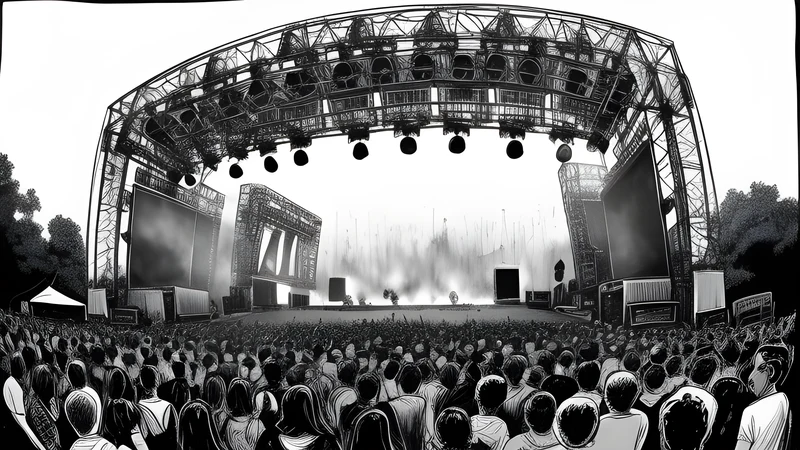
Some festivals are built on a lineup, some on a site, and a rare few are built on a mood. Jelling Musikfestival is a mood festival, and the mood is nostalgia — warm, communal, Danish-to-the-bone nostalgia, the kind that has a whole family singing the same chorus across three generations. It happens every year around Ascension weekend in the small Jutland town of Jelling, in the fields near the most historically loaded patch of ground in the entire country, and it has spent more than three decades perfecting the art of making a large crowd feel like a village.
The most Danish ground there is
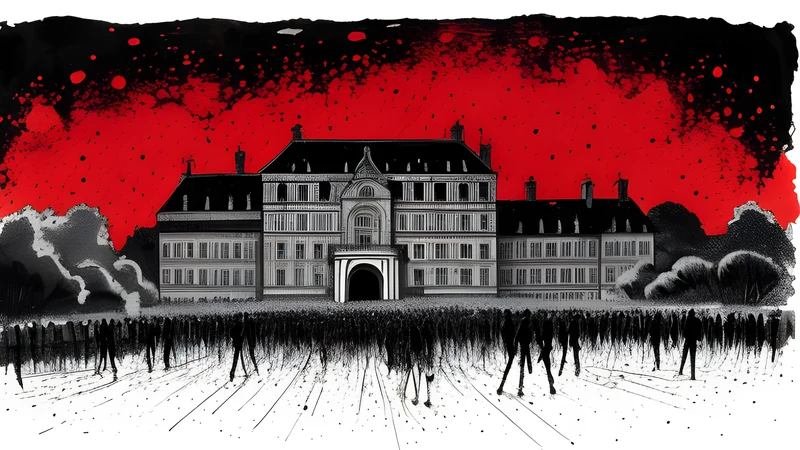
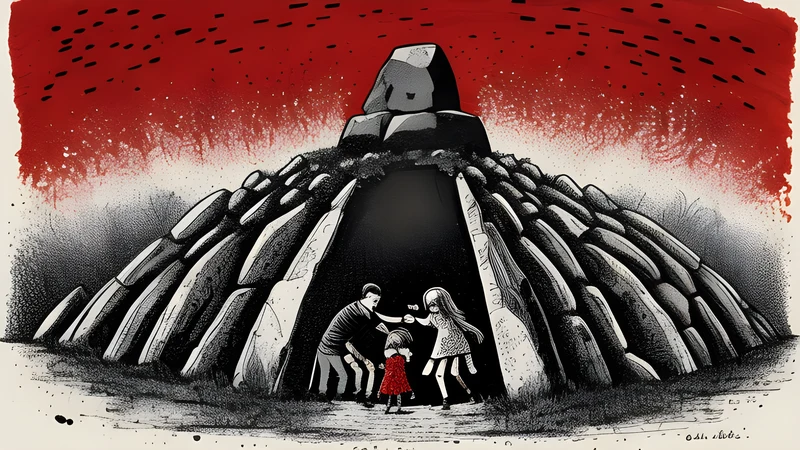
You cannot write about Jelling without writing about the stones, because the festival takes place in their shadow and knows exactly what that means. The Jelling rune stones are, without exaggeration, Denmark’s birth certificate. Two carved stones stand by the town church — the smaller raised by King Gorm the Old, the larger by his son Harald Bluetooth around the 960s — and the larger stone bears the inscription that first names Denmark as a unified kingdom and records its conversion to Christianity. Alongside them sit two enormous burial mounds and the church itself, a UNESCO World Heritage site and one of the foundational places of Danish national identity.
That is the setting. A festival held here is held in the country’s own origin story, and the organisers have always understood that the history is part of the atmosphere. Harald Bluetooth, incidentally, is the same king whose nickname a thousand years later got attached to the wireless standard now in every phone on the festival site — the little Bluetooth logo is a bind rune of his initials. There is something perfectly Danish about a nostalgia festival taking place next to a thousand-year-old monument whose owner accidentally lent his name to the technology everyone is using to text their friends about where to meet. The past and the present sit on the same field, and Jelling likes it that way.
Ascension, and the rhythm of the calendar
The timing is deliberate and it matters. Jelling Musikfestival lands on the Ascension Day long weekend — Kristi Himmelfartsdag — one of those spring public holidays that gives Denmark a four-day stretch in late May when the weather has usually turned and the country is ready to be outdoors again. Slotting a festival there is smart calendar work: it opens the Danish festival summer, catches the first proper warmth of the year, and gives families a fixed annual ritual before the school term ends and the big summer events begin.
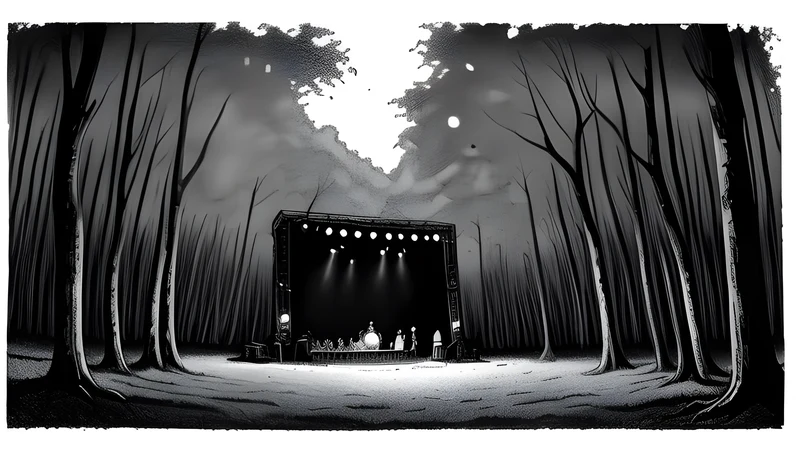
That placement shapes the whole character of the thing. This is an early-season festival, a curtain-raiser, the one you go to with your parents and your kids before the harder, sweatier, later festivals arrive. It sits at the gentle end of a calendar that runs all the way through to the forest intensity of Smukfest in August and the grand ambition of Roskilde at the turn of July. Jelling is the friendly opening act for the whole Danish summer, and it plays that role with total assurance.
A festival that gives itself away
Underneath the nostalgia is a structure that deserves real respect, because Jelling Musikfestival is a charitable, volunteer-driven event in the great Danish tradition. It grew from local roots at the end of the 1980s into one of the larger festivals in the country, and it did so on the backs of an enormous unpaid workforce and a founding principle that the point is the community rather than the profit. Proceeds go back into local causes and youth work; the festival exists to serve the town and the wider good rather than to enrich anyone.
This is the same civic engine that powers the best of Danish festival culture, and it is worth naming every time because outsiders find it genuinely strange. The idea that a festival could be run by thousands of volunteers, for charity, as a gift a community makes to itself, is not the default assumption anywhere else. In Denmark it is close to the norm for the events that last, and Jelling is one of the clearest examples. When you buy a ticket, you are funding local good works and paying a volunteer army back for its year of preparation. That knowledge changes how the field feels underfoot.
The music: comfort, singalongs and the Danish back catalogue
Now the honest part, the part a loud-music critic has to look squarely in the eye. Jelling is not a festival for the heavy, the strange, or the cutting-edge. The lineup is broadly Danish pop and rock, the beloved national institutions, the singalong acts, the names that three generations of one family can all agree on. It is comfort programming, and it is comfort programming done with skill and affection. The whole point is the shared chorus, the moment when a field of thousands sings a Danish classic back at the stage and something communal happens that has nothing to do with novelty.
I could be sniffy about this, and it would be easy and wrong. Different festivals do different jobs, and the job Jelling does — creating a warm, safe, multi-generational singalong in a beautiful and historic place — is a genuinely valuable one that the loud festivals cannot do. There is real craft in booking a bill that a grandmother, a teenager and a small child can all enjoy at the same stage, and Jelling has been doing it for over thirty years. The Danish live scene needs its family festivals as much as it needs its metal ones. A country that only had Copenhell would be missing something; a country that only had Jelling would be missing something else. The health is in having both.
The touring package festivals do a version of this same comfort-and-nostalgia trick — Grøn hauls a bill of Danish crowd-pleasers around the country every summer for charity in much the same spirit — but Jelling has the advantage of a fixed home, a long history, and those stones on the horizon. It is the rooted version of the Danish singalong festival, and the roots are the whole appeal.
Family field, and the value of low stakes
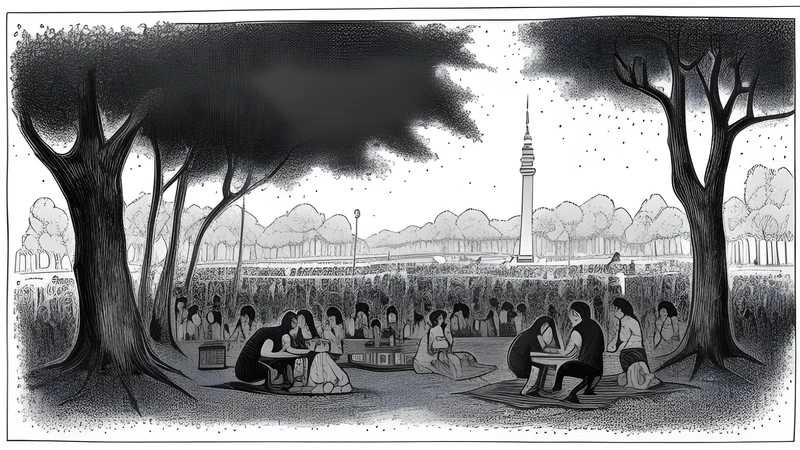
The atmosphere at Jelling is the atmosphere of a festival that has consciously chosen to be gentle. Families with young children, teenagers on their first festival, older couples who have been coming since the early years — the crowd spans the whole of Danish life, and the site is built around that. It is safe, well-run, welcoming, and pitched at a warmth that the harder festivals do not aim for and would struggle to achieve. The food is good in the reliable Danish way, the beer flows, the sun (usually) shines, and nobody is trying to prove anything.
There is a particular value in that low-stakes quality, and it is easy to underrate until you have children of your own or parents who want to come along. A festival that a whole family can attend together, that introduces small kids to the idea of live music in a field, that gives teenagers a first taste of festival freedom in a safe setting, is doing foundational work for the whole scene. The people singing along at Jelling as children are the people who will be in the pit at the loud festivals a decade later. Every music culture needs an on-ramp, and the friendly early-summer singalong is one of the best on-ramps there is.
A town that becomes a festival
Part of what makes Jelling distinctive is the scale mismatch between the town and the event. This is a small Jutland community of a few thousand people that swells enormously for one long weekend each spring, and the festival has to be woven into the actual town rather than sealed off in a distant field. That gives the whole thing a specific texture: the festival and the village bleed into each other, the historic centre with its stones and church sits right there beside the temporary music city, and the sense of a place turning itself inside out for a few days is much stronger than at the big events staged on dedicated sites.
Jelling sits in the rail-served heart of Jutland, near Vejle and within easy reach of the eastern cities, which is how a small town manages to pull a national crowd. The accessibility is deliberate and it is part of the charity model — the easier it is to reach, the broader the audience, the more the festival can give back. For a festival built on the idea of the whole country singing together, being genuinely reachable from most of that country is the whole point. You can be standing among Viking-age burial mounds in the afternoon and in front of a stage full of Danish pop institutions by evening, having travelled to a small town that becomes, for four days, one of the liveliest places in the country.
Go for the mood, stay for the ground
Jelling Musikfestival is exactly what it says it is, and it is completely unashamed of it: a warm, charitable, family-friendly nostalgia festival of Danish singalongs, held in the fields beside the country’s own founding monument on the long weekend when the Danish summer begins. If you want edge, danger or discovery, look elsewhere — those are not on offer here and never have been. If you want to understand the gentle, communal, deeply national heart of Danish festival culture, this is one of the purest places to find it.
Go for the mood, the singalongs, the sight of a field full of families all knowing the same words. But stand for a moment by the stones before you leave, because that is the thing that lifts Jelling above a mere pleasant weekend. A thousand years ago a king carved his kingdom’s name into a rock on this spot, and every Ascension weekend a small town raises a temporary city of music around it, run by volunteers, given to charity, sung by three generations at once. The nostalgia in the name reaches past old songs to a whole idea of what a festival can be for, and Jelling keeps that idea alive better than almost anywhere.
Related Content