Dynamo Metalfest: Eindhoven's Heavy Day
The revived heir to the maddest free festival Europe ever ran, back on home turf near Eindhoven
Contents
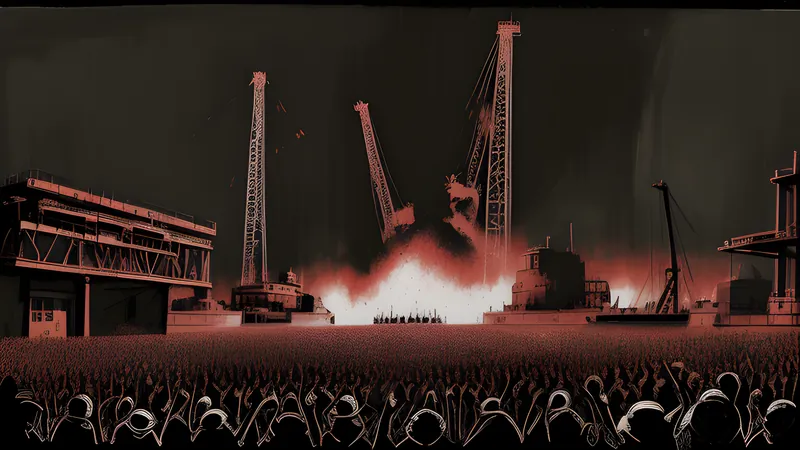
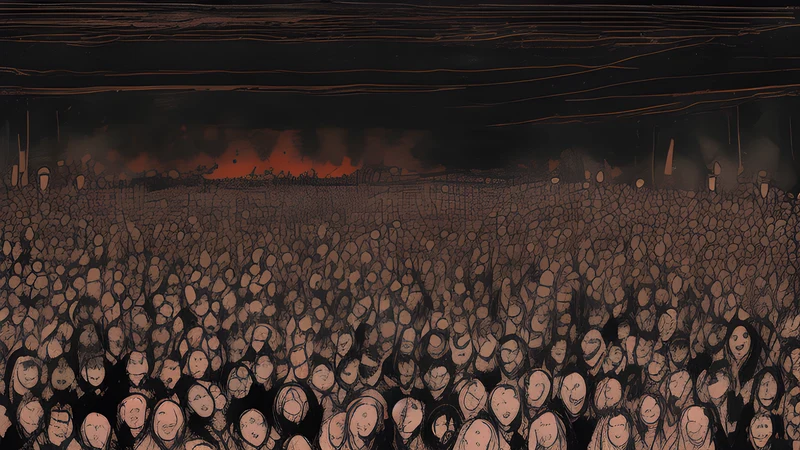
You cannot write about Dynamo Metalfest without first telling the story of the ghost it carries. In 1986 a rock café in Eindhoven called Dynamo started putting on outdoor shows, and by the early 1990s Dynamo Open Air had become one of the strangest success stories in European festival history: a free, or nearly free, metal festival that pulled crowds no accountant could explain. The 1992 edition is the one people still talk about — well over a hundred thousand people, no ticket price to speak of, thrash and death and hardcore bands playing to a sea of Dutch teenagers who had simply heard that this was the place to be. Nothing on that scale was ever meant to be sustainable, and it was not. The original Dynamo Open Air wound down and eventually stopped in the mid-2000s, leaving behind a name that means something specific to anyone who was around European metal in that decade.
Dynamo Metalfest is the revival, and it wears the inheritance honestly. It stays well short of that hundred-thousand-strong free-for-all: a modern, ticketed, sensibly scaled metal festival held near Eindhoven that treats the old name as a responsibility rather than a marketing gimmick. From Copenhagen the Netherlands is my most-travelled foreign metal country after Germany — Roadburn in Tilburg is a fixture, and the Dutch loud circuit is dense enough that you are never far from a show — so Dynamo occupies a slot I watch closely even in the years I cannot make the trip.
The weight of a name
The reason Dynamo matters out of proportion to its current size is that the original festival was formative for a generation of the bands that now headline everything. Metallica played early Dynamo before they were the biggest band in the genre. Countless thrash and death-metal acts had their first large European crowds there. For a Dutch metalhead of a certain age, “Dynamo” means far more than a festival brand — it is where the scene was born, the place a whole national appetite for heavy music was set, the free field where you saw your first wall of death and never went home the same. Reviving that name is a high-wire act, because the moment you use it you invite comparison to something that can never be repeated.
The 1992 numbers deserve their legend. A free metal festival drawing six figures is an economic impossibility that happened anyway, and it happened because the Dutch scene at that moment had a critical mass of young metalheads and a rock café mad enough to keep saying yes. The event became a victim of its own success — a free festival that big is ungovernable, and the story of the original Dynamo’s later years is partly the story of trying to put a fence and a ticket around something that had grown wild. That tension between the wild origin and the need to run a sustainable business is the exact inheritance the modern festival has to manage.
The organisers behind the revival have handled that pressure sensibly. They kept the ambition modest and the identity clear: a heavy festival for the heavy end of the spectrum, booking death, thrash, hardcore and the harder side of modern metal rather than trying to be all things to all listeners. The result is a festival with a strong genre spine, the kind where the poster tells you exactly what kind of weekend you are in for. That focus is the smart inheritance from the old days. Dynamo was always about the heavy stuff, and the revival keeps faith with that.
The site and the day
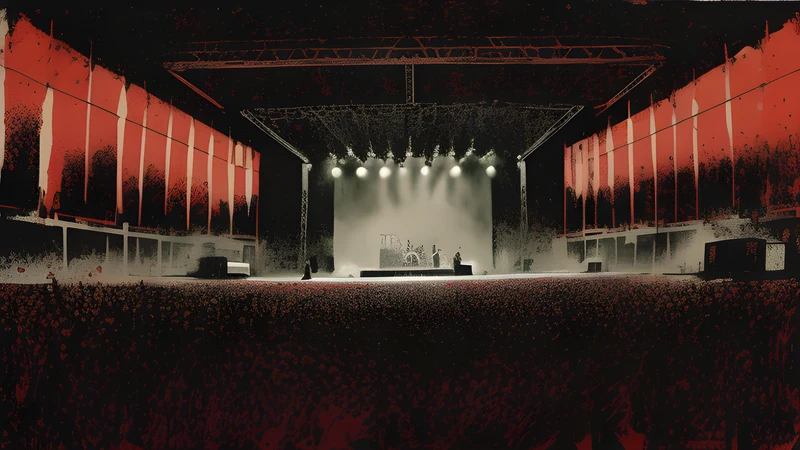
The modern Dynamo has moved around the Eindhoven area during its revived run, settling into open-air sites on the edge of the city that give it room for the crowd without the logistical nightmare of the old free-festival chaos. Eindhoven is a good host for this: a working southern-Dutch city, easy to reach, close enough to the German and Belgian borders that the catchment for a heavy festival is enormous. The city is a short hop from the 013 in Tilburg and the Effenaar, two of the best heavy-booking venues in the Netherlands, so the region already runs on a year-round diet of loud music. Dynamo is the outdoor summer expression of a scene that never really switches off.
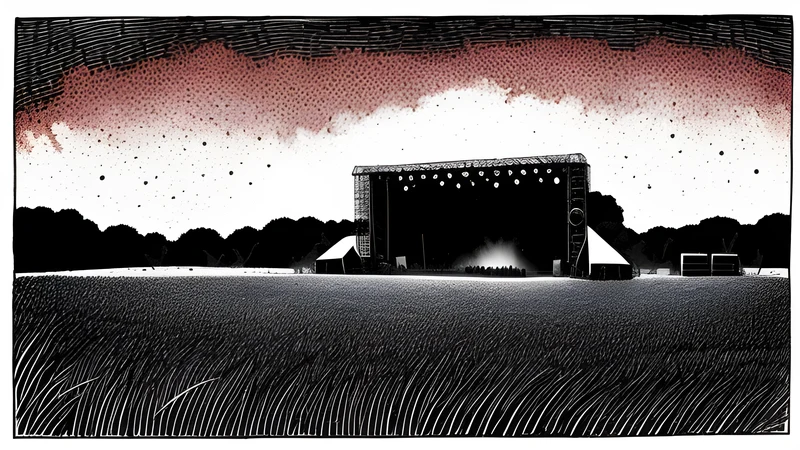
The festival’s footprint is compact by big-festival standards — a couple of stages, a manageable site, the kind of layout where you can actually see everything you came for without a route march between stages. That scale is a feature. The megafestival experience of walking twenty minutes between sets and watching the headliner from four hundred metres back is fine in its place, and Dynamo offers the opposite: bands close, sound tight, crowd dense, the whole thing built for people who want to be in the pit rather than in the beer queue. It is a festival you experience at close range, and the harder the band, the better that works.
The crowd and the character
The Dutch metal crowd is one of the best in Europe to stand in, and Dynamo gets a concentrated dose of it. The Netherlands has a deep, knowledgeable, unpretentious heavy-music audience — the same crowd that keeps Roadburn’s experimental doom weekend sold out and fills 013 in Tilburg for extreme bills on ordinary weeknights. At Dynamo that audience turns up for the harder material specifically, which means the pits are enthusiastic, the sing-alongs are loud, and the reception for underground bands is warmer than it would be at a more casual festival. Dutch crowds reward the bands who commit, and a good band on a Dynamo stage gets everything the audience has.
There is a generational texture to it as well. Some of the people at modern Dynamo were at the old free festivals in the nineties and now bring their kids; some are teenagers discovering that the name on the poster used to mean something enormous. That mix gives the revived festival an emotional undertow the pure-nostalgia and pure-novelty events both lack. You are standing in a field with people for whom this name is a memory and people for whom it is a discovery, and the bands play into both at once. The older heads carry the mythology; the younger crowd carries the future of it.
Living up to a legend without being crushed by it
The trap for any revival is obvious: chase the old scale and collapse under it, or lean so hard on nostalgia that the present becomes an afterthought. Dynamo Metalfest has mostly avoided both. It books current heavy bands that are worth seeing now, keeps the production sharp, and lets the history sit in the background as texture rather than sales pitch. The name does the heavy lifting on recognition; the festival earns the ticket on its own terms with a bill built for people who came to be pummelled.
That said, the revival’s story has not been frictionless — reviving a festival is a business, and the modern Dynamo has had the usual struggles with sites, scheduling and the brutal economics of the mid-size European festival market, where costs rise faster than ticket prices and every edition is a gamble. Festivals bigger and better-funded than this one have folded in the same climate. The fact that the name still stands, still books heavy, and still pulls a committed Dutch crowd is itself an achievement in a market that has buried plenty of events with less baggage to carry.
The bill it books
The modern Dynamo has leaned into the extreme and old-school end of the spectrum, and that is where its bookings land the hardest. The revived editions have drawn on the deep well of death and thrash veterans alongside the newer wave of heavy bands, the sort of lineup that reads as a statement of intent rather than a scramble for the biggest available name. This is a festival that would rather book a bill true to its identity than chase a crossover headliner who would draw a curious but uncommitted crowd. The people who run it clearly remember what the name is supposed to mean.
That discipline pays off in atmosphere. When the whole poster points in one direction, the crowd arrives already tuned to it, and the day builds without the awkward genre gear-changes that plague festivals trying to please everyone. A Dynamo afternoon of relentless heavy bands, each one feeding the next, is a specific pleasure — the kind of sustained intensity that the harder Dutch crowd turns up for and that lighter festivals cannot manufacture. It is the sound of an event that knows precisely what it is.
Where it sits
For a Copenhagen punter mapping the Dutch heavy year, Dynamo is the outdoor bookend to a circuit that otherwise lives in rooms. Roadburn is the experimental pilgrimage in the spring; the venues carry the weight through the winter; Dynamo is the summer’s heavy day, the one where the harder end of the Dutch scene gets a field and a proper stage. It does not need to be the hundred-thousand-strong free festival its name once described, and it is wiser for not trying.
What the modern Dynamo proves is that a festival name can be a living thing rather than a tombstone. The 1992 crowd is never coming back, and the people running the revival know it better than anyone. What they have built instead is a focused, well-run, genuinely heavy festival that honours the ghost by being good at exactly the thing the original was good at — putting loud bands in front of a Dutch crowd that has never lost the appetite. Eindhoven gave metal one of its great origin stories. It is fitting that the city still gets its heavy day.
Related Content