Dynamic Pricing Comes for the Gig Ticket
Your ticket price now floats like a taxi fare in the rain, and the law has finally noticed
Contents
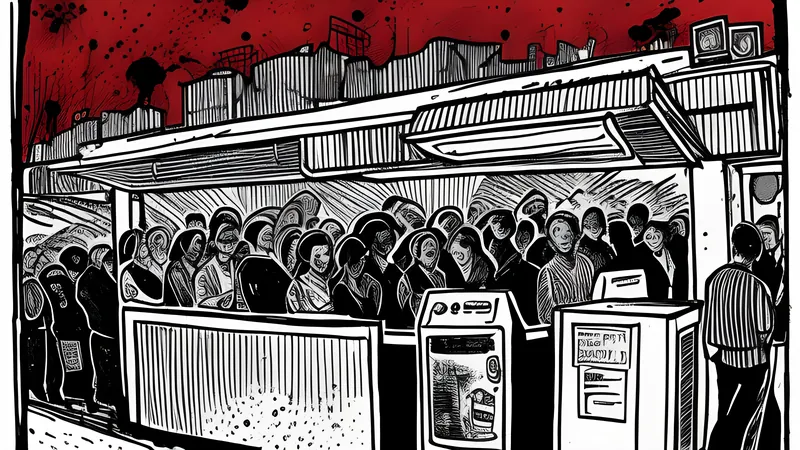
You load the on-sale page, watch the queue counter tick down, and get to the checkout to find the ticket costs more than it did when you joined the queue. Nothing was added to it — same seat, same band, same night — the number simply moved while you were waiting, the way a taxi fare climbs when the rain starts. That is not a bug in the system. It is the system working exactly as designed, and the design has a name: dynamic pricing, and it has been quietly reshaping what a gig ticket costs for over a decade.
The airline logic arrives at the box office
Dynamic pricing is not a new idea, just a newly imported one. Airlines and hotels have priced seats and rooms this way for decades — the same flight costs more the closer it gets to departure and the fuller the plane gets, an algorithm constantly recalculating what the remaining inventory is worth to the people still trying to buy it. Ticketmaster brought that logic to concert tickets under the banner of “Platinum Tickets”, a programme it launched in 2011 specifically to let prices move in real time with demand rather than sit fixed at whatever number was printed on the on-sale announcement. The stated goal was reasonable enough on paper: claw back some of the premium that used to flow entirely to touts and resale sites, and route it instead to the artist and promoter who actually made the show happen.
When the number became the story
The system stayed a quiet industry mechanism until 2022, when Bruce Springsteen and the E Street Band’s reunion tour ran full dynamic pricing on a large batch of tickets and some seats came back from the algorithm priced above four thousand dollars. The backlash was immediate and loud enough to become a genuine news story rather than an industry footnote — fans who had followed Springsteen for decades found themselves priced out of a tour they had budgeted for, and the gap between the advertised face-value tickets and the algorithmically inflated ones became, for a while, the only thing anyone wanted to talk about regarding that tour. Springsteen’s own defence, echoed by the industry generally, was that the money “should” go to the artist rather than to a scalper reselling the same seat for the same inflated price a week later — a genuinely fair point wrapped around a much more convenient piece of self-interest, since the promoter and the platform take a cut of that premium too.
Why “Platinum” is doing more work than it looks
The cleverest part of the mechanism is the label attached to the price movement. A Platinum ticket is, in many cases, functionally the same seat as a standard one — no better view, no extra perk — just repriced upward because the algorithm has decided demand will bear it. Selling that repriced seat as a distinct “premium” product rather than simply raising the standard price does real psychological work: it lets the face-value ticket keep existing at something close to its old number, so the headline price a fan sees when a tour is announced stays low and shareable, while the actual revenue the promoter collects climbs steadily through a tier most fans never manage to avoid entirely once the on-sale gets competitive. Do this consistently, tour after tour, and the entire market’s sense of what a ticket “should” cost resets a little further upward each time, even though the advertised number barely moves.
The lawsuit that landed this month
The backlash finally met a regulator’s attention this month. On 23 May 2024 the US Department of Justice, joined by attorneys general from dozens of states, filed an antitrust lawsuit against Live Nation and Ticketmaster, the company the two merged into back in 2010. The government’s case centres on the ticketing side of the business as much as the promotion side — the argument that a single company controlling the venue relationships, the artist deals and the point of sale has no real incentive to compete on price or fairness at any stage of that pipeline, dynamic pricing included, because a fan with a grievance about a Platinum ticket has nowhere else to buy from for most major tours. The case will take years to resolve in court, and nobody should expect it to change what happens at the next on-sale any time soon, but its filing is the clearest sign yet that dynamic pricing has stopped being a quiet industry mechanism and become a matter the US government is prepared to litigate.
The counter-pressure: artists pushing back on fees
Not every artist has simply accepted the platform’s pricing logic. In 2023, Robert Smith of The Cure publicly and repeatedly criticised Ticketmaster over the service fees stacked onto his band’s tour tickets — not dynamic pricing exactly, but the same underlying complaint about a platform quietly inflating what a fan actually pays beyond the advertised number. The pressure worked, at least partially: Ticketmaster agreed that some of the fees were “unduly high” and issued partial refunds, in the region of five to ten dollars a ticket, to fans who had already bought in. It is a small case next to the scale of the Springsteen story, but it demonstrates something dynamic pricing critics rarely get to point to: that an artist with enough leverage and enough public will to spend it can move the platform, at least on the margins, even if the underlying pricing architecture stays exactly where it was.
The scalper it was supposedly built to replace
To be fair to the platforms, dynamic pricing did not invent the idea of a ticket costing more than its face value — it just moved who collects the difference. For decades that premium went entirely to the secondary market: touts outside the venue, and later resale platforms like StubHub and viagogo, buying up face-value tickets and reselling them at whatever the desperate end of the queue would pay, with none of that markup reaching the artist or the promoter. Dynamic pricing’s actual pitch to artists is that the same premium a scalper would have captured anyway gets captured at first sale instead, official, taxed, and split with the people who made the show happen. It is a genuinely defensible argument in isolation. It just conveniently ignores that the fan pays roughly the same eye-watering number either way, and that the platform charging it is the same company that also owns large stakes in the resale market it claims to be undercutting.
Part of a wider pattern
Dynamic pricing rarely arrives alone. The same instinct that reprices a ticket in real time is the one behind the RFID wristband tapping money out of you all weekend, the extraction machine I picked apart in festival wristbands and the cashless economy — remove the friction of a fixed, visible price, and spending climbs because the pain of paying quietly disappears along with it. A Springsteen reunion tour is a particularly sharp example of where that pressure lands hardest, because heritage acts on what may genuinely be a farewell run, the phenomenon I wrote about in the reunion tour as séance, draw exactly the kind of urgent, price-insensitive demand that a demand-sensing algorithm is built to detect and charge for. The fan most likely to pay four figures for a Springsteen ticket is the fan most convinced this really might be the last chance, and the algorithm has no way to tell the difference between that grief and simple enthusiasm. It charges both the same.
What the fan actually controls
There is very little a ticket buyer can do about the algorithm itself once an on-sale goes live — the price is set by demand signals the platform reads in real time, and refreshing the page or buying faster changes nothing about the mechanism underneath. What has genuinely helped, where it has been tried, is pressure applied somewhere other than the checkout page: public criticism loud enough for an artist or their management to notice and act on, as The Cure’s fans managed, and regulatory attention forcing the ticketing duopoly to defend its practices in a courtroom rather than a press release. Neither of those fixes the number on the screen this afternoon. Both are the only real leverage that has ever moved it, and both are new enough that it is worth watching, over the next few tours, whether the number keeps climbing or finally meets some resistance.
The taxi-fare comparison at the top of this piece cuts both ways in the end: a surge fare at least stops the moment the rain does. A ticket price, once an algorithm has decided what a fanbase’s loyalty is worth, rarely comes back down.
Watch what happens at the next major reunion announcement and the mechanism will be obvious in hindsight: the headline number stays low enough to make the news cycle, and the real price reveals itself only once you are already standing in the queue.
Related Content