Copenhell 2026: The Maiden Voyage, Again
Iron Maiden back on top of the harbour, and a festival that has finally become an institution
Contents
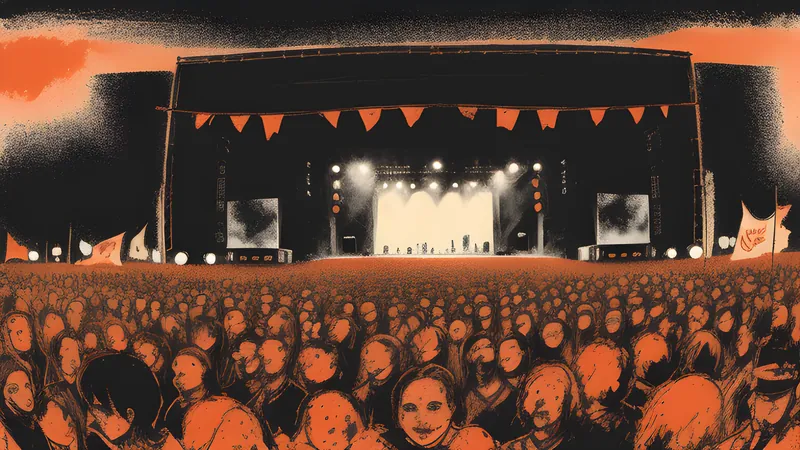
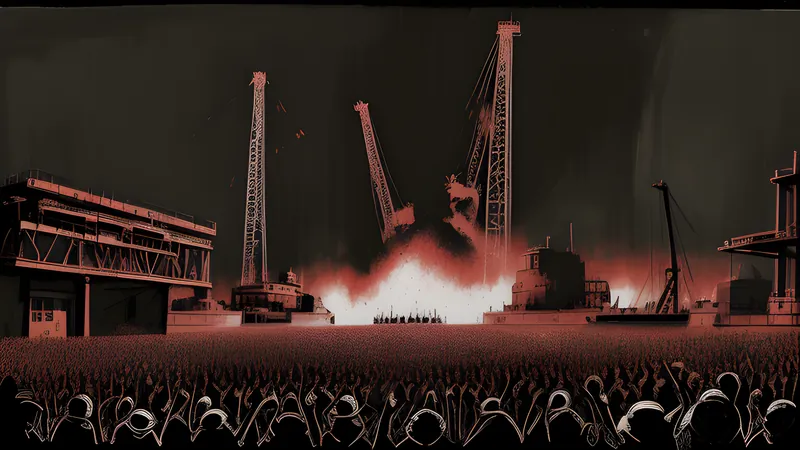
There is a particular sound the cranes on Refshaleøen make when Iron Maiden are playing under them, and it is the sound of a festival that has stopped worrying about whether it belongs. Copenhell ran from the 24th to the 27th of June this year — a slot pushed a touch later into the month than the harbour crowd is used to — and by the closing night, standing on that old shipyard gravel with Eddie glowering off the Helviti backdrop for what feels like the hundredth time in this festival’s life, the thing that struck me was how utterly settled it all is now. Sixteen years in, five stages, around eighty-five bands, and the biggest metal band on Earth headlining again as if it were the most natural booking in the world. Which, for Copenhagen, it now is. The maiden voyage keeps setting sail, and the harbour has long since stopped being surprised.
The machine at full size
Copenhell in 2026 is a five-stage operation carrying somewhere near eighty-five bands across four days, and that scale is worth sitting with for a second, because it is not where this thing started. The 2010 debut was a two-day punt with a crowd in the low thousands. What lands on Refshaleøen now is a full continental destination festival, planted on the same rusting spit of reclaimed dockland, with Helviti still anchoring the site and Hades, Pandæmonium and Gehenna spread out among the concrete sheds and gantries. I wrote about how the dead shipyard does the theming for free when I first covered the site, and none of that has changed — the cranes still loom without being asked, the ground still turns to grey slurry the moment the Baltic decides to rain. What has changed is the sheer density of the programme. Eighty-five bands is a lot of festival to walk. You cannot see it all, and the modern Copenhell no longer pretends you should.
The later date this year is a small thing that tells a bigger story. Copenhell has traditionally sat in mid-June; nudging it to the 24th–27th shuffles it around on the crowded European summer calendar, where every big festival is fighting the same touring acts for the same weekends. Bands route their summers months in advance, and the difference between a mid-June and a late-June slot is the difference between which headliners you can physically get. When your top line is Iron Maiden, you take the date that lands Iron Maiden. The scheduling is quiet evidence of how far up the pecking order Copenhagen has climbed.
Maiden again, and why that matters
Iron Maiden headlining Copenhell is not news anymore, and that is precisely the point. This is a band the festival has hosted before, a reliable returning giant who can be trusted to fill the harbour and send fifty thousand people home hoarse. Booking them again is the move of a festival that knows exactly what it is and has the pull to land the apex act on demand. Alongside Maiden the 2026 bill carried Sepultura — the two names most firmly on the record this year — with a supporting cast announced across the weekend that ran from Alice Cooper through Mastodon, Anthrax and Suicidal Tendencies to Bring Me The Horizon. I will not pretend to a minute-by-minute account of sets I am describing from the schedule and the public record rather than fabricating from memory; that is the honest line this desk holds to. But the shape of that lineup on paper tells you everything about where Copenhell now sits.
Look at the generational spread. Alice Cooper has been doing the theatrical-horror thing since before most of the crowd’s parents were born; Bring Me The Horizon are a modern arena act who came up through metalcore and now sound like whatever they feel like sounding like on a given night. Sepultura and Anthrax carry the thrash lineage; Suicidal Tendencies drag in the crossover-hardcore end. That is not a festival chasing one scene. It is a festival broad enough to book the whole history of loud music at once and trust that eighty-five bands’ worth of audience will sort itself into the right fields. A decade ago Copenhell was a metal festival. In 2026 it is a heavy-music institution with metal at its heart.
The arc: from comeback to fixture
I have watched this festival move through distinct phases, and 2026 is the one where the story arrives somewhere. Cast back to the 2022 edition, the first full-scale Copenhell after the pandemic years knocked the whole live-music world flat — that one felt like a comeback, a collective exhale, a crowd relieved the harbour still roared at all. The editions since have each done something specific: leaning harder into heritage bookings, then stretching the site and the day-count, then broadening the lineup beyond the metal faithful toward the wider heavy-music church. Line those up and you get a clean trajectory — comeback, then heritage, then expansion, then diversification, and now, in 2026, the plateau of a festival that has simply become part of the furniture of the Copenhagen summer.
That final phase is the interesting one, because becoming an institution is a double-edged thing. Copenhell runs under the Live Nation umbrella, and the polish shows the way it always shows: sharper pricing, slicker sponsorship, the smooth machinery of an operation that has done this many times. There is a real conversation to be had about whether the big festivals are all sanding down toward the same corporate finish — I chewed on exactly that in why every festival now feels the same, and Copenhell is not immune to the gravity. But the thing has scaled without gutting itself. The site is still a genuine post-industrial carcass rather than a branded field. The theme is still played dead straight. The crowd still behaves like a scene rather than a spending demographic.
The crowd, the light, the harbour
Danish festival crowds have a reputation and Copenhell mostly earns the good half of it: a well-run, weirdly courteous apocalypse where the pits are ferocious and people apologise when they flatten you, then grin and do it again. What sixteen years has added is a thick international layer over the local core. Word has got round Europe that here is a metal festival with clean water, working transport and a real city at your back, and the harbour fills accordingly. It gives the whole thing a Wacken-ish sense of pilgrimage without the German mud — though for the full village-hosts-the-apocalypse experience, Wacken remains the one to measure everything else against.
The geography still does its strange magic. Refshaleøen has no metro and never will, so getting out to the edge of the harbour is part of the ritual — the harbour bus, the shuttle, and the great slow flotilla of metalheads cycling across the bridges in their battle-jackets, one of the enduring small comedies of the Nordic summer. And the light does the rest. This far north in late June the sky barely commits to darkness, so the headline sets play out under a bruised, floodlit not-quite-night. Watching a band summon infernal darkness at half ten in the evening while the sky glows behind the cranes is one of the more surreal tricks Nordic latitude plays on heavy music, and no amount of festival maturity has taken the edge off it.
Surviving the rust in 2026
The practical notes have not changed because the site has not changed. Wear boots you can bear to ruin, because the old shipyard ground will eat them the moment it rains, and mid-to-late June in Denmark is a coin-toss between glorious light until eleven at night and horizontal Baltic drizzle that finds the gap in every waterproof. Pack for both, then pack sun cream anyway. Hydrate like it is a paid job — the northern sun is stronger than it looks and Copenhagen beer is a serious financial event, so the water taps earn their keep twice over.
Budget honestly. This is one of Europe’s most expensive cities and the harbour bar prices reflect it with real conviction; the sting comes off only if you see it coming. The upside of the location is enormous, though. Copenhell is the rare big festival you can attend like an adult — stay in a city hotel, sleep in a real bed, shower like a human, and treat the on-site camping as optional rather than mandatory penance. And eat the street food. Refshaleøen carries some of the best in Copenhagen, and a proper meal between bands will keep you upright for the headliner far better than a fourth defeated festival burger. When the festival packs up, the city keeps going — Royal Arena takes the arena-scale tours all year round, so a few extra days in town are never wasted.
The verdict
Copenhell 2026 is the sound of a festival that has finished growing up. It is transcendent when the weather holds and a genuine legend is up on Helviti under that impossible never-dark sky, cranes black against the water, tens of thousands moving as one organism on ground that spent a century building ships. The five-stage, eighty-five-band scale means you will miss things, so go in with a plan and make peace with the ones that got away. Come for the breadth — a bill that runs from Alice Cooper’s ancient theatre to Bring Me The Horizon’s modern churn is a rare and generous thing — and stay for the site, which remains the finest argument in the business for letting a location do the work.
Skip it only if your idea of metal requires mud, misery and a long trudge from a distant car park to feel earned. Copenhell is too clean, too civic and too well-run for that particular romance, and it has stopped apologising for it. Sixteen years on, the harbour has become exactly what it always threatened to be: a fixed point in the European summer, with the biggest band alive at the top of the bill and the maiden voyage setting out one more time.
Related Content