Copenhell 2022: The Return
Two silent summers ended on a Copenhagen shipyard, and the noise came back all at once
Contents
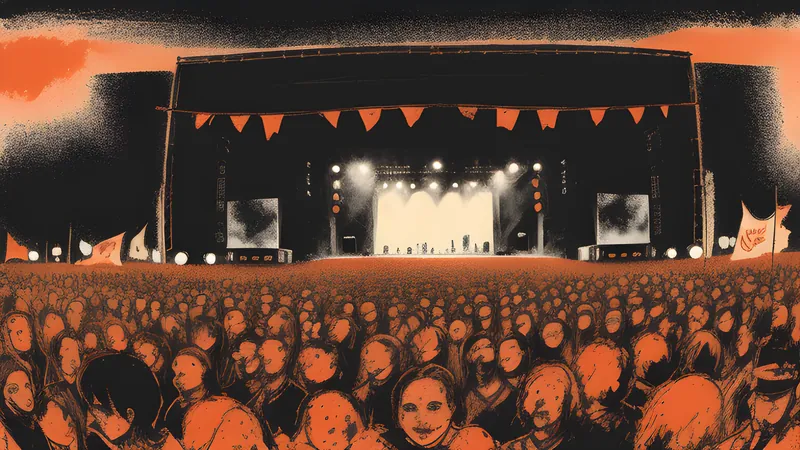
There is a particular sound a metal festival makes in the ten minutes before the first big band of the weekend, and for two summers Refshaleøen had not made it. The rusted cranes stood over an empty gravel spit. The harbour water slapped the concrete for nobody. Then June came round in 2022 and forty-odd thousand people walked back onto that old shipyard in Copenhagen, and the sound returned — the flat roar of a crowd finding its own size again, catching sight of the stages, realising it was actually happening. After 2020 and 2021 vanished into the pandemic, Copenhell reopened, and it reopened with the loudest, most improbably stacked lineup the festival had ever assembled. This is a read of that comeback: the site, the wait, the bill, and what it cost to be there.
The spit of land that plays hell better than anywhere
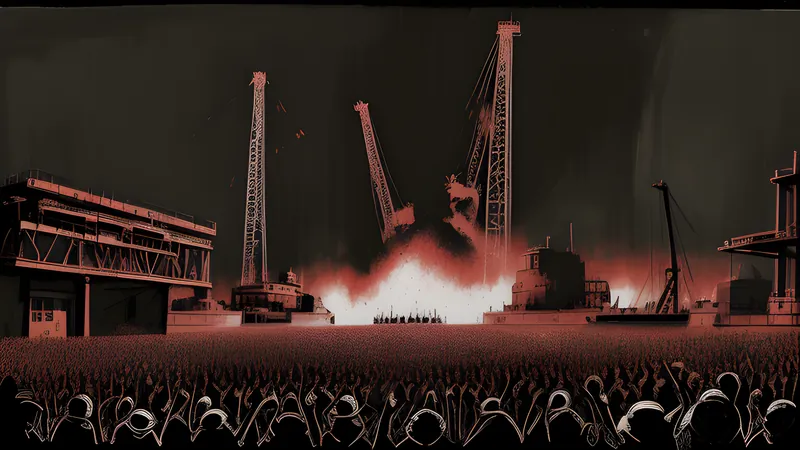
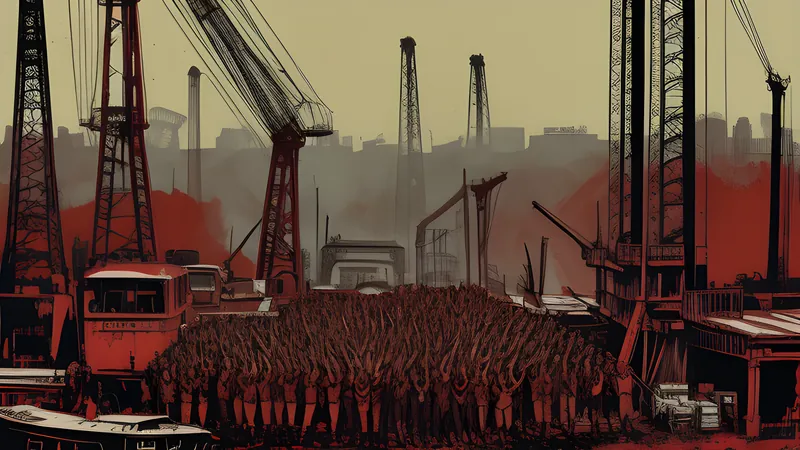
Copenhell has run since 2010 on Refshaleøen, a flat tongue of reclaimed land east of the city centre where Burmeister & Wain once built ships. That heritage is the whole aesthetic. Most festivals build their apocalypse out of scaffolding and hire; Copenhell inherited its own. The cranes are real cranes. The industrial hulks that ring the site were making marine diesel engines within living memory. When the organisers hang the place with skulls and fire and christen the stages Helvíti and Pandæmonium, they are decorating a landscape that already looks like the end of something.
The site sits on the harbour, which means weather arrives off the water with nothing to stop it, and the ground is the compacted grey grit of an old dockyard rather than a farmer’s meadow. You feel Copenhell in your feet by day two. But the trade-off is a festival that is genuinely in its city — you can see central Copenhagen across the water, and getting there is a harbour bus or a bike ride rather than a pilgrimage into rural nowhere. For the full history of how a decommissioned shipyard became northern Europe’s premier metal address, the Copenhell overview is the place to start; this piece is about the single year that mattered most.
Two summers of silence
To understand why 2022 hit the way it did, you have to sit with the two years that didn’t happen. Copenhell 2020 was cancelled. Copenhell 2021 was cancelled. Live Nation, who run the festival, kept rolling tickets and lineups forward, and metalheads across Denmark kept holding onto wristbands that refused to become real. Two Junes came and went with the shipyard silent. For a scene built almost entirely on the physical fact of bodies in a field — the pit, the wall of sound, the shared week of discomfort — that absence was a specific kind of ache. You cannot stream a moshpit. You cannot download the feeling of a Maiden crowd hitting the first note together.
So when the gates finally opened on 15 June 2022, the emotion in the place was not ordinary festival excitement. It was closer to relief with the volume cranked. Denmark had a deep well of pent-up demand and a festival sitting on the best comeback bill it would ever get. The two facts met on the harbour and the result was cathartic in a way that a normal year simply cannot manufacture. You do not get this feeling from a festival that runs every summer like clockwork. You get it once, after something is taken away and handed back.
The bill that only a two-year backlog could build
Here is the practical mechanics of why the 2022 lineup looked like somebody had raided a decade of headliners in one go: it was a decade of headliners in one go. Bands booked and rebooked across three postponed editions all landed in the same four days, and the make-up bill that emerged over 15–18 June was absurd by any normal measure.
Metallica played. Iron Maiden played. Judas Priest played. Kiss played, deep into their long farewell. Korn brought the nu-metal weight, Opeth brought the progressive gloom, and the top of the poster read like a metal festival’s fantasy draft rather than a real timetable. Any one of those names anchors a summer. Having them stacked into a single reopening weekend was the kind of over-provisioning you only get when a global pandemic dams up two years of touring and then releases it all at once.
The music itself did the work you’d want it to. Metallica on a Copenhagen stage carries a particular local charge — the band’s roots reach into this city in ways I’ve written about in Metallica’s Danish accent, and a Danish crowd receives them as something closer to family than visiting American royalty. Maiden did the full theatrical production, the thing they have refined into an institution. Priest, decades in, still swung the operatic heavy-metal sword that half the bands on the smaller stages were imitating. It was, top to bottom, the strongest single-year argument Copenhell has ever made for itself.
The homecoming that mattered most
For all the international firepower, the moments that meant the most to the Danish crowd were the ones where the festival turned its own soil over. Copenhell 2022 brought home two of the country’s foundational metal acts, and watching a Refshaleøen crowd receive its own legends was worth the whole trip.
Mercyful Fate, the band that put Danish metal on the world map in the early eighties with King Diamond’s falsetto and a theatricality nobody had quite dared before, came back to a hometown that treats them as scripture. If you want the full story of how that band and its frontman built something the entire extreme-metal world later borrowed, King Diamond and Mercyful Fate traces it — but standing on the harbour while a Copenhagen crowd sang those songs back was a reminder that this stuff was invented here, within cycling distance of the stage.
Then there was D-A-D — the Disneyland After Dark cowboys, the most beloved rock band Denmark has produced, a group that has soundtracked Danish adolescence for forty years. Their long strange career is its own saga, but the short version is that when D-A-D play a home festival, the crowd reaction operates on a frequency an outsider can hear but never quite feel. Between them, Mercyful Fate and D-A-D gave the comeback weekend its emotional centre. The Americans supplied the spectacle. The Danes supplied the meaning. That Denmark can field homegrown legends on a bill this size at all is the subject of Little Country, Loud Export, and 2022 was the argument made flesh.
Not everything survived the shuffle. Spiritbox, one of the most hyped newer acts on the bill, cancelled — the kind of attrition you accept on a lineup this large and this reassembled from delayed pieces. On a weekend with this much on offer, one dropped set barely dented the schedule.
Surviving the reopening
A word on the unglamorous machinery, because a festival read that skips the logistics is lying to you. Copenhell 2022 was a big, expensive, physically demanding four days, and the reopening did not magically fix any of that. The site is hard ground and harbour wind. Danish festival beer prices are what they are, which is to say you learn to budget the weekend in tokens and stop converting to your home currency around day two. The scale of the crowd — tens of thousands funnelling on and off a finite spit of reclaimed land — means queues, and the harbour transport is charming until everyone tries to leave at once.
Camping at Copenhell is the standard grim-but-communal festival experience, and after two years off, the campsite in 2022 had the atmosphere of a reunion nobody was sure would happen. There is a real cost, in money and in bodily wear, to a festival like this. The honest verdict is that the comeback year justified it in a way an ordinary year might not — you were paying to be present for something that only occurs once. If you want a permanent-fixture Copenhagen room instead of a harbour endurance test, the city’s indoor venues like the Royal Arena do the big-show comfort thing Copenhell deliberately refuses. Copenhell wants you weathered. That’s the point of it.
What the comeback proved
Copenhell 2022 was the once-in-a-decade edition, and it will keep being the reference point every future year is measured against. You cannot rebook two lost pandemic years, and you cannot re-manufacture the specific emotion of a scene getting its ground back. That combination — the greatest-hits make-up bill and the raw relief of return — is not going to recur, and everyone standing on the gravel that weekend seemed to know it.
Who is this festival for? Anyone who wants their metal served in an industrial landscape that means it, in a city you can actually enjoy when the bands aren’t playing, with a Danish backbone that most international festivals can’t match. When is it transcendent? When the harbour wind drops, a legend hits the stage, and forty thousand people who waited two extra years let the sound do what recorded music never quite can. When do you skip it? When your feet or your wallet have limits — this is hard ground and real money, and the reopening year charged full price for the privilege of being first back in. It was worth every krone. The cranes were making the right noise again.
Related Content